





Why Protein Variety is Key
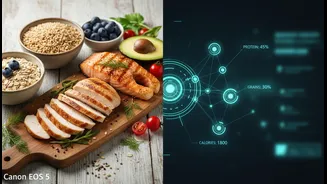
Protein is essential for building and repairing tissues, making enzymes, and supporting overall health. Proteins are made of amino acids. Our bodies can make some, but there are nine 'essential' amino acids we must get from food. Foods that contain all nine are called
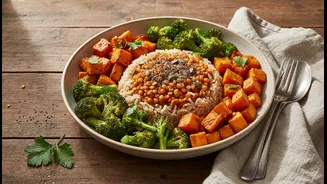
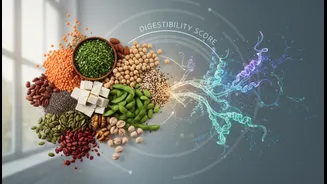
'complete proteins,' while those missing one or more are 'incomplete.' Animal products are typically complete, but so are some plant foods like soy. However, you don't need to eat a complete protein at every meal. By eating a variety of plant-based sources throughout the day—like the classic Indian combination of dal and rice—your body can piece together a full set of amino acids. This approach not only ensures you get enough protein but also provides a wider range of vitamins, minerals, and fibre.
The Power of Curd
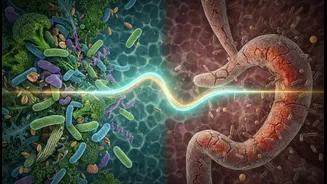
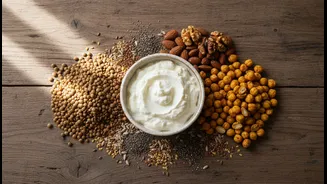
A staple in most Indian households, curd (or dahi) is more than just a cooling side dish. It’s an excellent source of high-quality protein, with Greek yoghurt or hung curd containing about 10 grams per 100g serving. Regular curd is also a great source of protein, calcium, and vitamin B12. Beyond its protein content, curd is prized for its probiotics—beneficial bacteria that support a healthy gut microbiome, improve digestion, and boost immunity. Its versatility is unmatched; use it to make raita, blend it into smoothies, marinate vegetables and paneer, or simply enjoy it with your meal.
Lentils: The Humble Hero
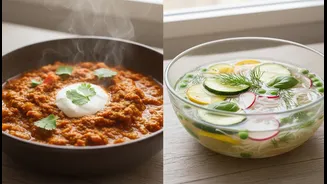
Lentils, the foundation of every dal, are a true nutritional powerhouse and a cornerstone of Indian vegetarian cuisine. Just one cooked cup of lentils can provide around 18 grams of protein. Different lentils like moong, masoor, and toor are not only protein-rich but also packed with dietary fibre, which aids digestion and promotes a feeling of fullness. This combination of protein and fibre helps in managing weight and maintaining steady energy levels. As an incomplete protein, lentils pair perfectly with grains like rice or roti to create a complete amino acid profile, a principle that has been intuitively followed in Indian kitchens for centuries.
Soy: The Complete Plant Protein
Soy is one of the few plant-based foods that provides a complete protein, containing all nine essential amino acids. This makes it an invaluable resource for vegetarians and vegans. Soy comes in many forms, including tofu (soy paneer), edamame, and soy milk, making it easy to incorporate into your diet. Tofu, for example, offers about 8 grams of protein per 100g and is extremely versatile, absorbing the flavours of any dish. Soy protein has also been linked to health benefits like lowering 'bad' LDL cholesterol. Its high-quality protein is comparable to that of animal sources, supporting muscle repair and growth.
Nuts and Seeds: Nutrient-Dense Powerhouses
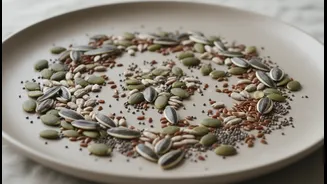
Don't underestimate the small but mighty contributions of nuts and seeds. They offer a powerful combination of protein, healthy fats, and fibre. Almonds are a standout, providing about 6 grams of protein per ounce (about 23 almonds). Walnuts deliver healthy omega-3 fatty acids along with 4.5 grams of protein per quarter cup. Seeds are equally impressive. Chia seeds are a good source of protein, fibre, and calcium, while just a tablespoon of flaxseed adds 2 grams of protein. Sprinkle them on your morning cereal, blend them into smoothies, or simply eat a handful as a snack to easily boost your protein intake throughout the day.