



Maha Shashthi (October 16): The Beginning of the Feast
Maha Shashthi marks the official start of the festivities, when the goddess's face is unveiled. The culinary mood is one of anticipation. While many households perform rituals, the evening is when the feasting truly begins. Food is often lighter and home-cooked
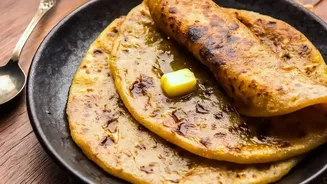
as families gear up for the days ahead. A classic Shashthi evening meal is fluffy luchi (deep-fried flatbread) served with a simple but flavourful alur dom (slow-cooked potato curry). It’s a comforting start before the pandal-hopping and grander meals commence. Some families also begin with simple vegetarian fare, keeping the elaborate dishes for the days to follow.
Maha Saptami (October 17): The First Community Bhog
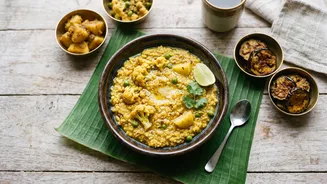
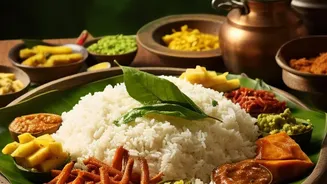
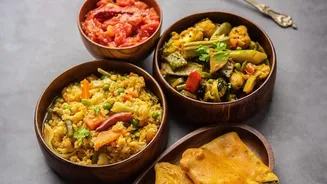
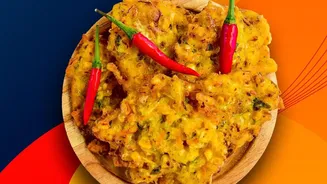
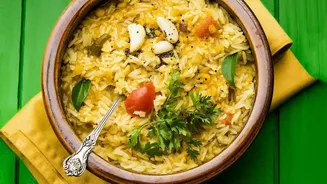
On Maha Saptami, the pandals come alive with the first of the community meals, or bhog. This is when the classic bhoger khichuri makes its debut. This isn't just any khichuri; it's a fragrant, no-onion, no-garlic preparation made with roasted moong dal and aromatic Gobindobhog rice, cooked to a soft, comforting consistency. It's typically served with labra, a medley of seasonal vegetables slow-cooked in mild spices, and a bhaja (fried item), such as crispy beguni (eggplant fritters). This vegetarian meal, offered first to the goddess, sets a devotional and communal tone for the festival's peak days.
Maha Ashtami (October 18-19): The Grand Vegetarian Spread
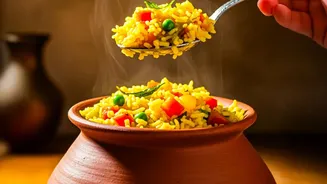
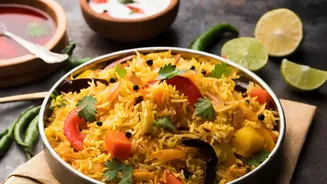
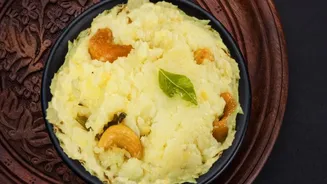
Maha Ashtami is arguably the most significant day of Durga Puja and the pinnacle of the bhog experience. The day's meal is strictly vegetarian, and the pandals serve an elaborate spread to thousands of devotees. The star remains the bhoger khichuri, but the accompaniments become more lavish. Alongside labra and beguni, you'll find basanti pulao (a sweet, saffron-hued rice with nuts and raisins), niramish alur dom, and a sweet-and-sour tomato-khejur chutney (tomato and date chutney). The meal is rounded off with payesh, a divine Bengali rice pudding, and papad. Sharing this meal at a pandal is a core Puja experience, embodying a spirit of togetherness.
Maha Nabami (October 20): A Carnivorous Celebration
After days of vegetarian-focused bhog, Maha Nabami often marks a shift for many Bengali households. As the final day of worship, it's celebrated with a grand feast that frequently includes non-vegetarian dishes. The quintessential Nabami lunch is mangsho-bhaat (mutton and rice). The star is kosha mangsho, a rich, slow-cooked mutton curry with a thick, spicy gravy that clings to the meat. Other favourites include preparations of fish like doi maach (fish in a yogurt gravy) or chingri malai curry (prawns in a creamy coconut sauce). For those sticking to vegetarian food, the feast is just as grand, often with an expanded platter of fried items and special vegetable curries.
Bijoya Dashami (October 21): A Sweet Farewell
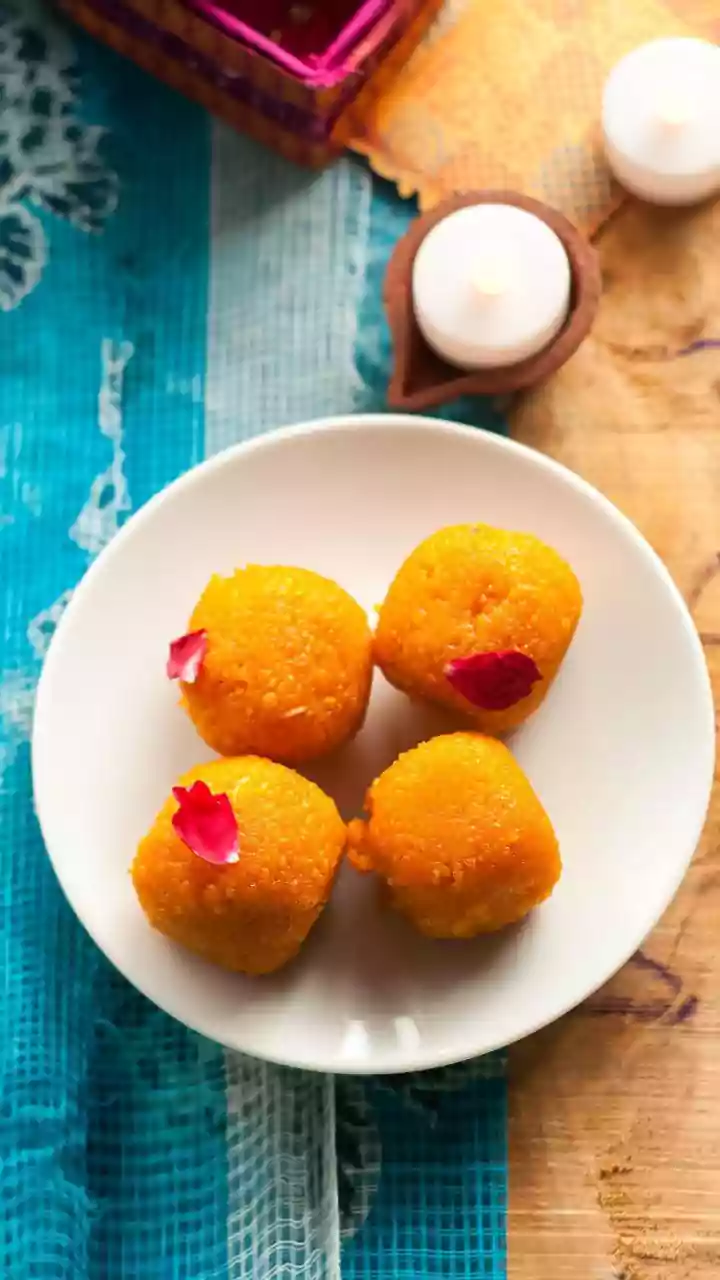
Bijoya Dashami is a day of mixed emotions. It marks the end of the festival with the immersion of the Durga idol, but it's also a day of renewed social bonds. After the visarjan, families visit each other to exchange greetings—a tradition known as 'Bijoya'. This custom is incomplete without 'mishti mukh' (sweetening the mouth). Homes are stocked with an array of sweets. Classic choices include sandesh (fresh cheese fudge), rosogolla, and homemade specialties like narkel naru (coconut ladoos). These sweets are often accompanied by savoury snacks like nimki (savoury fried crackers) to balance the palate. It's a sweet, gentle end to the whirlwind of festive flavours.