





A Tradition Predating the UN
While India has become a key caretaker of this tradition, the story of peacocks at the Palais des Nations begins long before the United Nations itself. It dates back to 1890, with a Swiss art collector and philanthropist named Gustave Revilliod. When
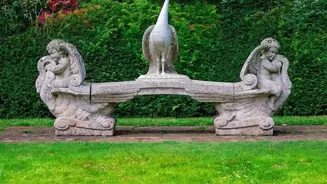
he bequeathed his sprawling estate, Ariana Park, to the City of Geneva, he did so with three conditions. He asked to be buried in the park and that it remain open to the public. His third, and most famous condition, was that his beloved peacocks must always be allowed to roam freely on the grounds. This unique mandate has been honoured ever since, turning the park that would eventually house the UN's European headquarters into a sanctuary for these magnificent birds. The peacocks became an iconic symbol of the park, long before it became a hub of global diplomacy.
An Indian Connection Forged in 1981
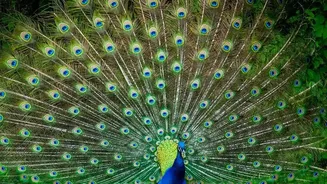
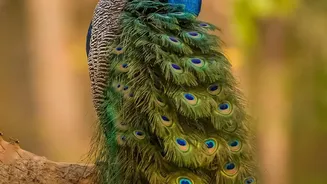
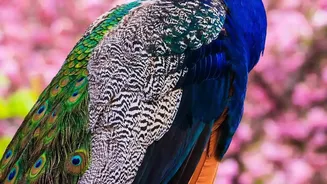
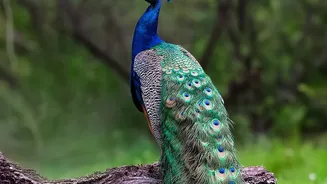
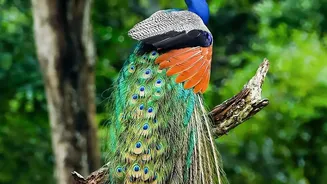
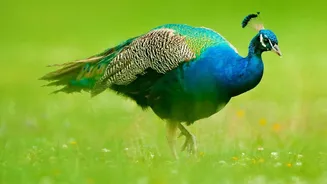
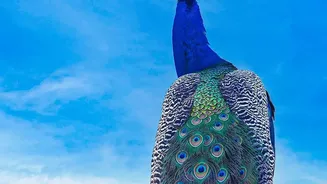
The Indian chapter of this story began in 1981. In a significant diplomatic and cultural gesture, then Prime Minister Indira Gandhi gifted a breeding pair of Indian peafowl from the Delhi Zoo to the UN Office at Geneva. As India’s national bird, the peacock is a powerful symbol of grace, beauty, and the country's rich natural heritage. This act didn't start the tradition, but it beautifully reinforced it, creating a direct link between India and the legacy of Ariana Park. For decades, the descendants of this pair, along with others including a donation from a Japanese zoo in 1997, sustained the peacock population, delighting diplomats and visitors alike.
A Fading Spectacle
Over the years, the vibrant community of peacocks began to face the challenges of time. Natural lifespans and predation, particularly from local foxes, took their toll. The population, once thriving, slowly dwindled until only a single, lonely peacock was left wandering the vast 46-hectare park. The living legacy stipulated in Gustave Revilliod's will was at risk of disappearing entirely. The silence in the park was a stark contrast to the decades of colourful displays and iconic calls that had become synonymous with the UN grounds in Geneva. With the tradition hanging by a thread, the United Nations reached out for help to revive its flock.
A Symbolic Revival in Blue and White
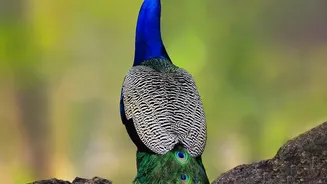
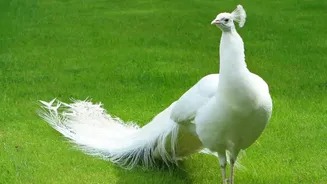
In August 2026, 45 years after the first gift, India responded to the call. In a special ceremony, India’s Permanent Representative, Arindam Bagchi, formally gifted five young male peacocks to the UN. The choice of birds was deeply symbolic: four are the classic Indian blue peafowl, and one is a rare white-feathered male. Together, their colours deliberately echo the blue and white of the United Nations flag. This new generation of peacocks will not be immediately released. To ensure their safety from predators, they will spend about three months in a specially built aviary to acclimate to their new home. The Geneva Bioparc will oversee their care, ensuring they are ready to safely roam the park and carry the century-old tradition forward.