

From Pungent to Perfumed
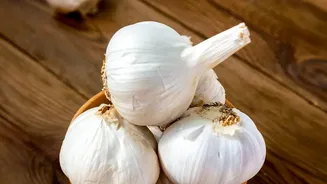
The secret to roasted garlic’s appeal lies in a simple chemical reaction. Raw garlic gets its aggressive, pungent bite from a sulfur compound called allicin, which is released when the cloves are crushed or chopped. When you introduce the slow, steady
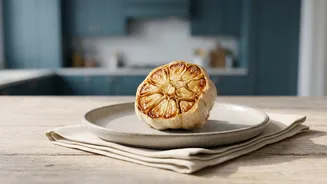
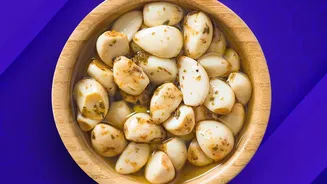
heat of an oven, those sharp edges are tamed. The heat mellows the sulfur compounds and coaxes out the garlic's natural sugars, leading to a process similar to caramelization. What emerges from the oven is not the fiery bulb you put in, but something else entirely: soft, spreadable cloves with a nutty, sweet, and buttery character. This transformation is the key to its versatility, allowing it to add a complex layer of flavour without overpowering a dish.
The Simple Art of Roasting
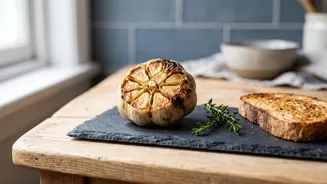
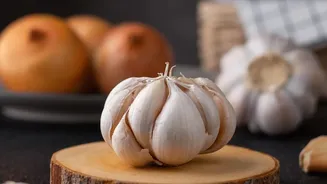
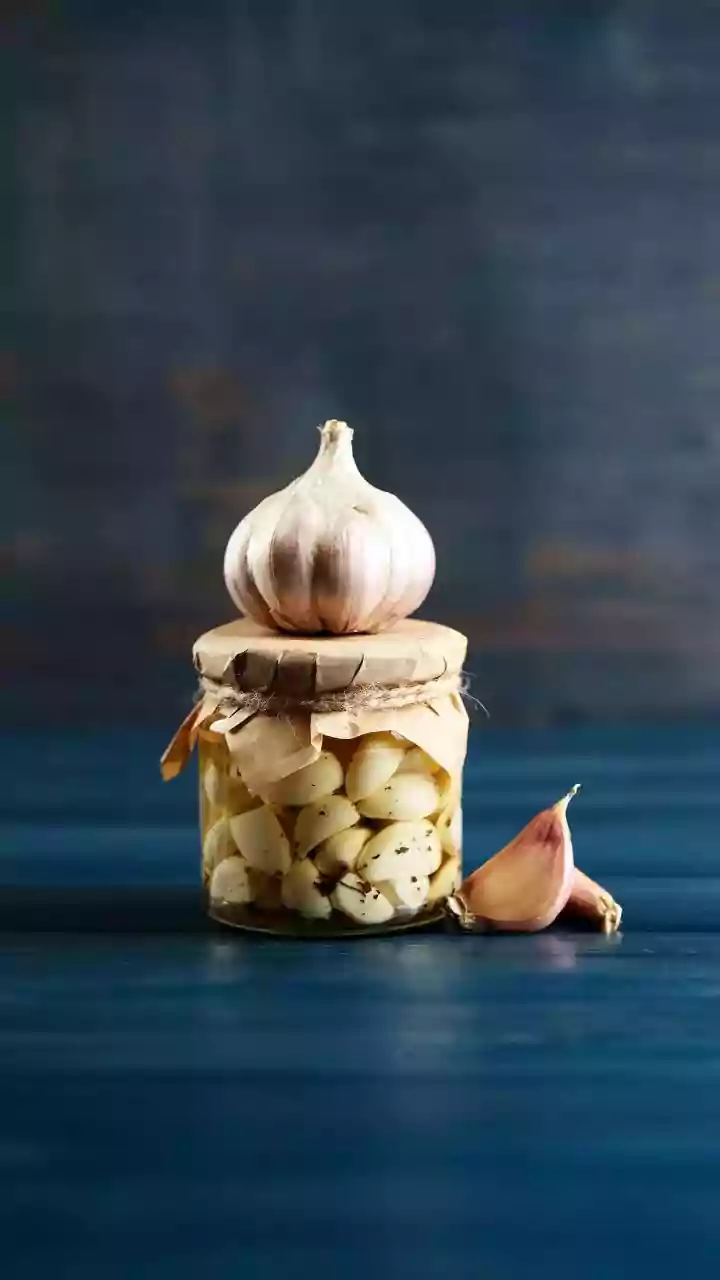
Making this kitchen staple is incredibly straightforward. Start by preheating your oven to around 375-400°F (190-200°C). Take a whole head of garlic and, using a sharp knife, slice off the top quarter-inch to expose the tops of the individual cloves. Don't peel it; just remove any loose, papery outer layers. Place the head on a piece of aluminum foil, drizzle it generously with olive oil, and wrap it up. Some methods suggest placing it in a small baking dish instead of foil. Bake for about 40 to 60 minutes. You'll know it’s done when the cloves are golden brown, completely soft, and your kitchen smells divine. Let it cool slightly before handling. Then, you can simply squeeze the soft, luscious cloves out of their papery skins.
Elevating Pasta Night
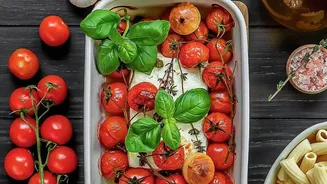
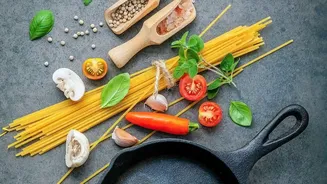
Roasted garlic is a game-changer for pasta lovers. For a simple yet profound sauce, mash a few roasted cloves with a good quality olive oil, toss with hot spaghetti, and finish with a sprinkle of chili flakes and fresh parsley. The creamy texture of the garlic creates an instant, emulsified sauce. You can also whisk mashed cloves into a classic tomato sauce to add a layer of sweetness and depth that tastes like it has been simmering for hours. Another great use is mixing it into meatballs or a vegetarian lentil bolognese, where it provides a rich, savoury undertone that complements the other ingredients perfectly. It adds that special something that will have everyone asking for your secret.
Beyond Basic Garlic Bread
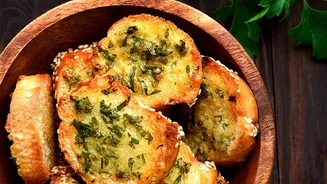
Move over, garlic powder. For the ultimate garlic bread, mash roasted garlic cloves into softened butter with a pinch of salt and some chopped herbs. Spread this mixture generously over a sliced baguette before baking. The result is a richer, sweeter, and more aromatic version of the classic. But you don’t have to stop there. The soft, spreadable cloves can be used directly on warm toast, crostini, or crackers for a simple and elegant appetiser. Just a single clove, spread like butter, delivers incredible flavour. It serves as a perfect base for other toppings, like sliced tomatoes, fresh cheese, or a simple drizzle of olive oil.
Creating Deeper, Creamier Dips
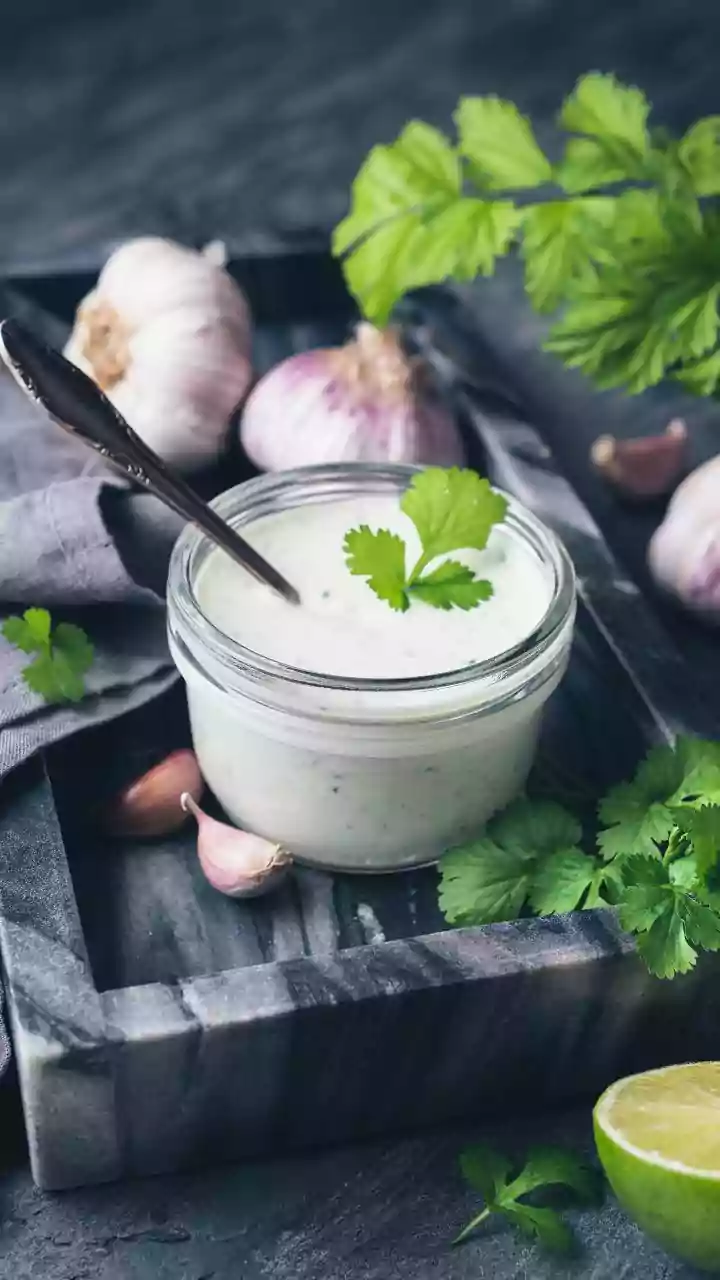
Raw garlic can easily dominate a dip, but its roasted counterpart plays a more supportive role. Blending a few cloves of roasted garlic into hummus, a white bean dip, or a simple sour cream and herb dip adds a complex sweetness without any harshness. It provides a savory foundation that elevates the entire mixture. For an incredibly simple and delicious dip, mash a whole head of roasted garlic and blend it with soft goat cheese or cream cheese until smooth. Add a squeeze of lemon juice and fresh herbs, and you have a sophisticated dip ready for any occasion, perfect with vegetable sticks, pita chips, or crackers.
A Perfect Partner for Vegetables
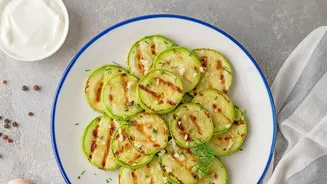
Roasted garlic and vegetables are a natural pairing. You can roast heads of garlic alongside trays of potatoes, broccoli, or carrots. As the vegetables cook, they absorb the sweet, aromatic scent of the garlic. Once everything is out of the oven, you can squeeze the soft garlic cloves over the vegetables and toss them together. Alternatively, you can use pre-roasted garlic to finish steamed or sautéed greens. Simply mash a few cloves into a paste with a little olive oil and toss with green beans, asparagus, or spinach. This method adds a burst of flavour right at the end, coating the vegetables in a light, savoury glaze that tastes far more complex than the effort it requires.