


A Once-in-a-Dozen-Years Miracle
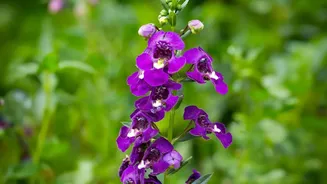
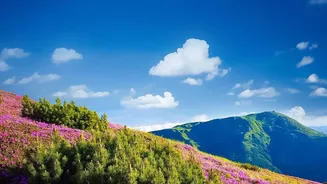
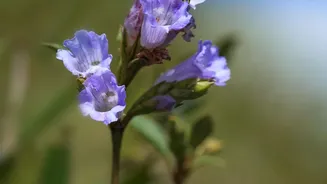
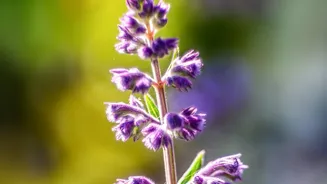
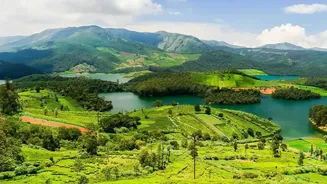
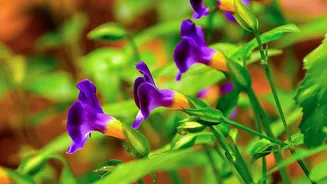
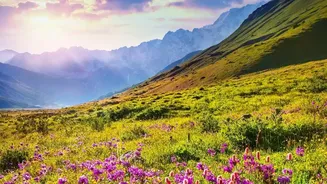
The Neelakurinji, or Strobilanthes kunthiana, is not just any flower. It's a botanical wonder with a life cycle that spans 12 years. For over a decade, the shrub grows patiently on the shola grasslands of the Western Ghats. Then, in a synchronised bloom,
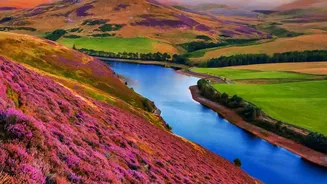
it bursts into flower, carpeting entire hillsides in a vibrant hue. This mass flowering is a survival strategy, a phenomenon known as masting, where plants reproduce all at once to overwhelm predators and ensure the survival of their seeds. The very name 'Nilgiris,' meaning 'Blue Mountains,' is believed to have been inspired by this cyclical blue blanket. The last major bloom was in 2018, with the next one anticipated in 2030, making every occurrence a precious, long-awaited event.
The Hidden Damage of a Single Touch
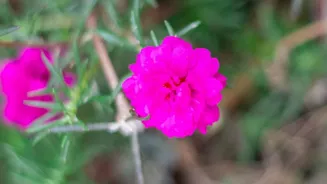
The impulse to touch, hold, or pluck such a beautiful flower is understandable, but it carries severe consequences. Neelakurinji is what’s known as a monocarpic plant; it flowers only once in its lifetime, sets seed, and then dies. Plucking a flower prevents it from producing seeds, effectively ending its contribution to the next generation. Simply trampling the area around the plants compacts the soil, which can damage the roots and prevent future seeds from germinating. Given that these plants are endemic and thrive only in the specific high-altitude shola forest ecosystem, they cannot simply be replanted at home. Unregulated tourism, habitat destruction, and climate change have already led to the species being listed as threatened. What seems like a harmless souvenir can cause irreversible harm to an entire ecosystem.
More Than Just a Flower
The Neelakurinji's significance extends beyond its beauty. For local indigenous communities, such as the Paliyan and Toda tribes, the flower is deeply woven into their culture. For generations, they have used the 12-year blooming cycle as a natural calendar to calculate their age and mark significant life events. The flower is mentioned in ancient Tamil Sangam literature and is considered sacred by many. Furthermore, the bloom supports a wider ecosystem, providing a massive amount of nectar for native bees, which in turn produce a rare and sought-after honey. Protecting the flower means preserving a rich cultural and ecological heritage.
Rules of the Hillside
Recognising its vulnerability, authorities have put strict protections in place. The Neelakurinji is listed under Schedule III of the Wildlife (Protection) Act, making it a protected species. Anyone found plucking or damaging the plants can face significant fines, with some reports mentioning penalties as high as ₹25,000, and even imprisonment. During blooming seasons, the Forest Department often deploys personnel to guide visitors and prevent harm. The rules are simple and clear: stay on designated paths, do not touch or pluck the flowers, carry no plastic, and leave no waste behind. In some ecologically sensitive areas, especially those prone to human-wildlife conflict with elephants, visitor access may be restricted entirely for safety.
Be a Guardian, Not Just a Visitor
Witnessing the Neelakurinji bloom is a privilege, and with that comes a responsibility. The best way to show appreciation for this natural wonder is to admire it from a distance. Use your camera to capture its beauty without disturbing the plants. Instead of taking a flower, support the local economy by purchasing art, crafts, or photographs inspired by the bloom. Share the message of conservation with fellow travellers and on social media, encouraging others to practice responsible tourism. By choosing to be a guardian of the hills, you ensure that this incredible spectacle isn't just a memory but a recurring miracle for future generations to experience. Your respect is the greatest tribute you can pay to the blue mountains.