







The Persistent Problem with Cotton
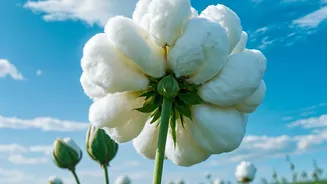
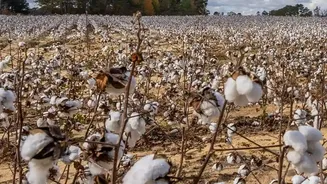
For years, cotton growers in Punjab have been caught in a difficult cycle. The crop, once a mainstay, has become increasingly risky. A primary culprit is the pink bollworm, a destructive pest that can devastate yields. Farmers have faced recurring infestations,
along with attacks from whiteflies, which have diminished confidence in the crop. These pest attacks not only reduce the final output but also drive up input costs significantly due to the need for repeated and often expensive pesticide sprays. Beyond pests, unpredictable weather, especially unseasonal rains during the crucial harvesting period, has led to severe financial losses in recent seasons, further eroding profitability. Reports from June 2026 indicate that cotton sowing has hit a record low, achieving just over half of the government's target, a direct result of these accumulated risks.
The Allure of Safer Alternatives
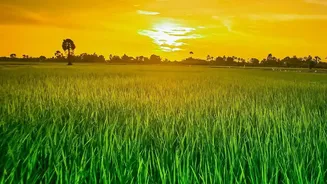
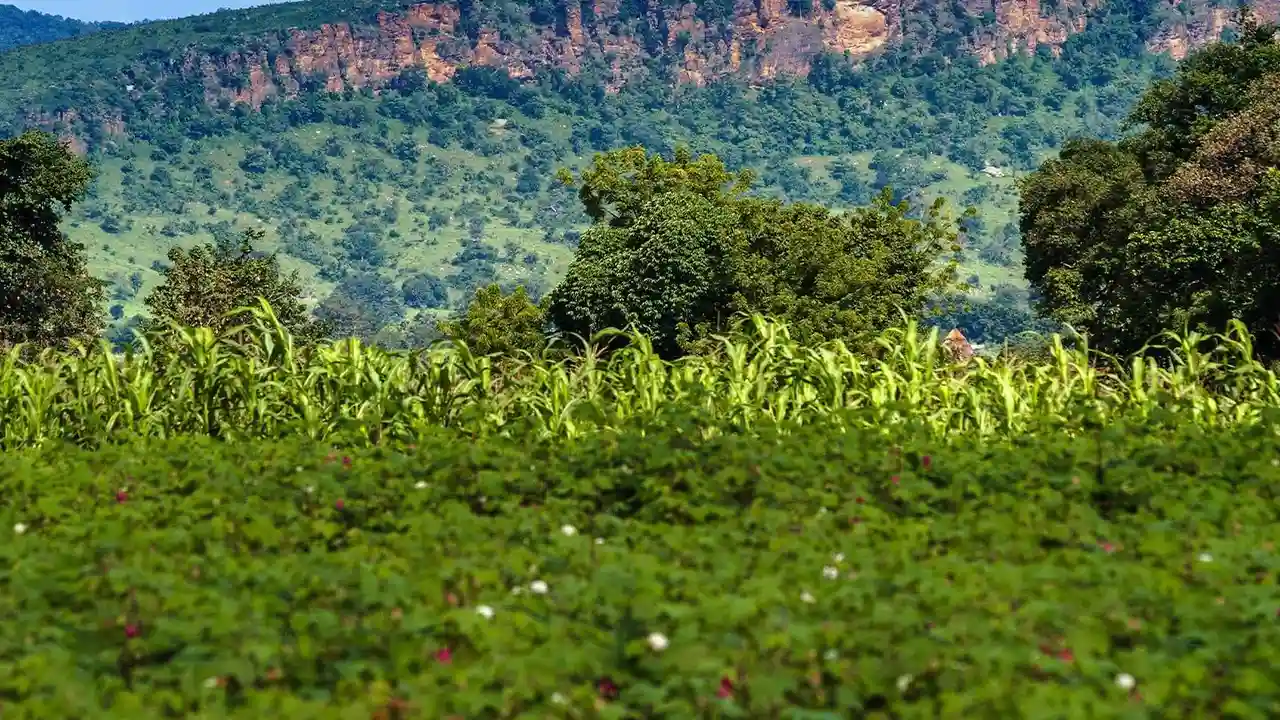
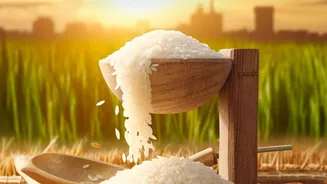
In the face of cotton's volatility, many farmers are turning to more predictable alternatives, chief among them being paddy (rice) and maize. While paddy is a water-intensive crop that puts a strain on Punjab's declining water table, it offers a crucial advantage: stability. A well-established system for procurement at a Minimum Support Price (MSP) provides a safety net that is often absent for cotton, where market prices can fall below the MSP. The government has made efforts to promote diversification away from paddy by offering financial incentives for crops like maize. For the 2026-27 season, the state expanded a scheme offering cash support to farmers who switch to maize, aiming to reduce dependence on paddy. However, for many, the reliability of the paddy-wheat cycle remains the most logical economic choice, despite its environmental drawbacks.
A Strategic Pivot, Not a Simple Rejection
Viewing the shift away from cotton as a simple failure or rejection misses the bigger picture. Farmers are making sophisticated business decisions based on a complex risk-reward analysis. The decision is not just about the potential for high returns, but about the likelihood of achieving them. Decades of experience have taught them that a lower but more certain income from paddy is often preferable to the high-risk gamble of cotton. This is a classic risk management strategy. They are weighing factors like rising input costs for fertilisers and diesel, the availability of quality seeds, and the labour required for each crop. The government's recent MSP hikes for the 2026-27 Kharif season saw a significant increase for cotton, which was intended to encourage its cultivation. However, farmer unions argue that these increases barely keep pace with inflation and the rising cost of production, making the pivot to less risky crops a continued necessity.
The Broader Agricultural Landscape
This trend is part of a larger, long-term evolution in Punjab's agriculture. The Green Revolution established a dominant wheat-paddy monoculture, which, while ensuring food security, has created ecological and economic challenges. State and central governments are actively pushing for crop diversification to conserve water and improve soil health, with an annual action plan for 2026-27 earmarking funds for this purpose. The goal is to move towards a more balanced system that includes maize, pulses, and oilseeds. The challenge lies in making these alternatives as economically secure for farmers as the current system. Without robust market infrastructure and guaranteed procurement for diversified crops, the powerful economic logic of the paddy-wheat cycle is difficult to overcome. The farmers' move away from cotton is a clear signal that for diversification to truly succeed, it must be both environmentally sustainable and economically resilient from the farmer's perspective.