


A Lost City's Grand Return
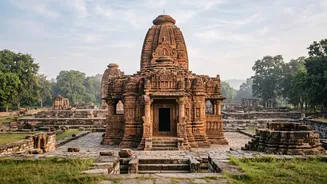
Imagine a thriving capital, home to kings, scholars, and artisans, where temples and monasteries dotted the landscape. That was Sirpur, historically known as 'Shripur', the capital of the Dakshina Kosala kingdom between the 5th and 12th centuries. For
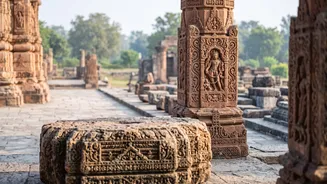
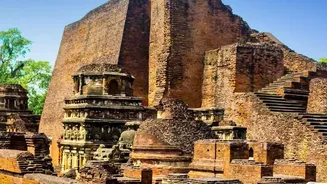
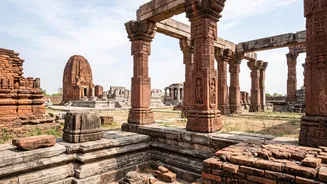
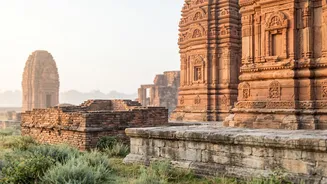
centuries, this magnificent city lay buried and forgotten, until excavations began in earnest in the 20th century, peeling back layers of earth to reveal a stunning archaeological landscape. What emerged was a city of remarkable scale: dozens of temples, sprawling Buddhist and Jain monasteries, and remnants of a bustling urban centre with markets and royal palaces. The city reached its peak under the 7th-century Panduvanshi ruler Mahashivagupta Balarjuna, a period of immense cultural and architectural growth. Even the famous Chinese traveller Xuanzang visited in the 7th century, documenting its prosperity and vibrant Buddhist community.
A Symphony of Faiths
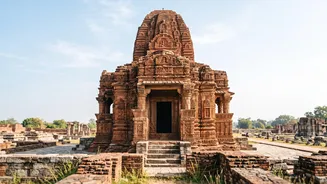
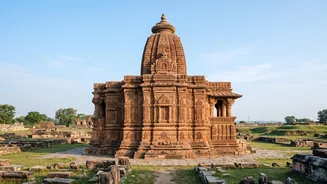
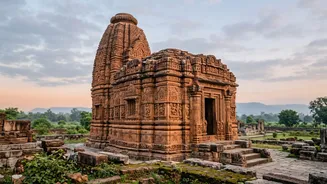
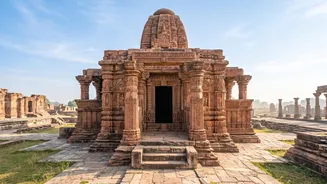
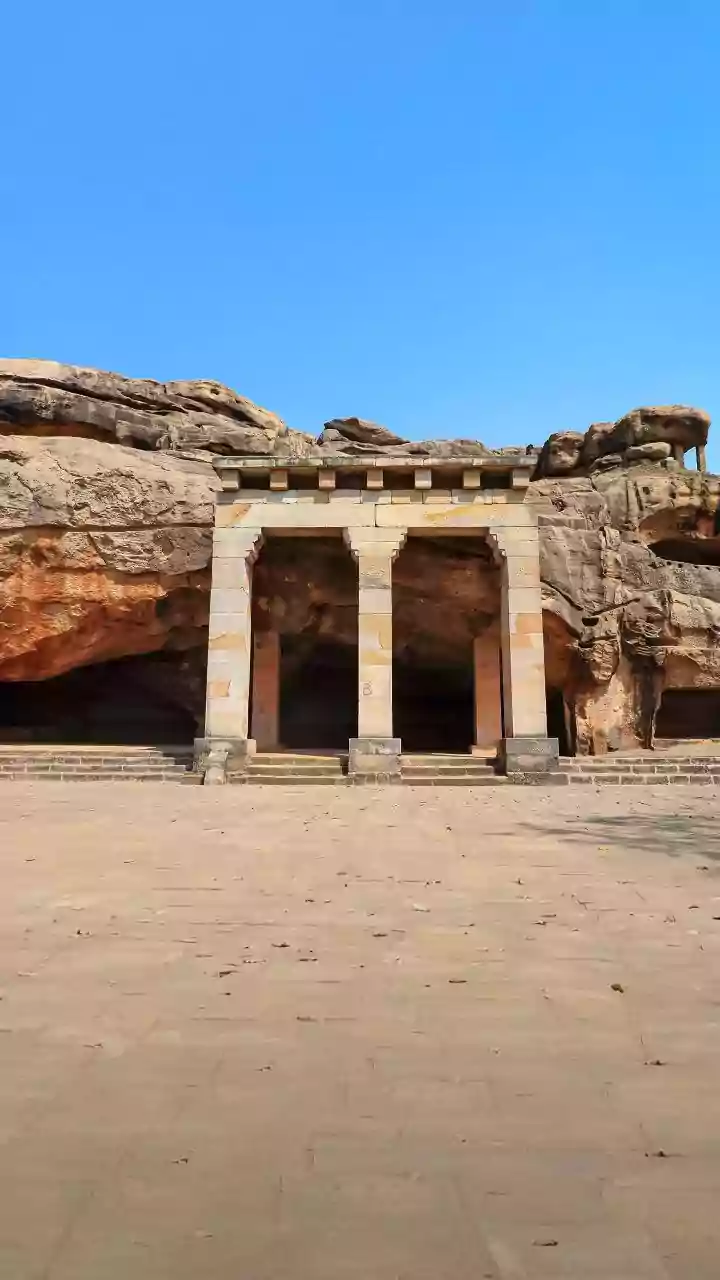
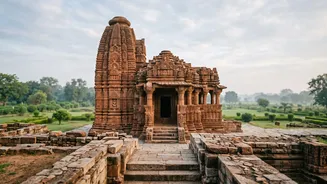
Sirpur's most compelling story is its incredible religious harmony. It stands as a rare example in India where Shaivite, Vaishnavite, Buddhist, and Jain traditions flourished side-by-side within the same urban space. Excavations have unearthed 22 Shiva temples, 5 Vishnu temples, 10 Buddhist viharas, and 3 Jain viharas. This syncretism is a cornerstone of its bid for UNESCO status. King Balarjuna, though a devout Shaivite himself, extended generous patronage to Buddhist monasteries, a testament to the era's tolerance. The site’s architectural marvel, the 7th-century Lakshmana Temple, is considered one of India's best-preserved brick temples and is dedicated to Vishnu. This peaceful coexistence of multiple faiths is what makes Sirpur not just a collection of monuments, but a landscape that tells a profound story of India's pluralistic past.
The Path to a World Heritage Tag
Achieving UNESCO World Heritage status is a marathon, not a sprint. The first crucial step is getting onto a country's 'Tentative List'. On October 20, 2026, it was announced that the 'Sirpur Cultural and Archaeological Landscape' was officially added to India's Tentative List. This is a formal recognition that the site has potential 'Outstanding Universal Value'. While this doesn't guarantee the final inscription, it is a non-negotiable prerequisite. Now, the government and the Archaeological Survey of India (ASI) will prepare a detailed nomination dossier. This document will argue Sirpur's case based on specific UNESCO criteria, such as showcasing an important exchange of human values or being an outstanding example of a historical architectural ensemble. The World Heritage Committee, composed of representatives from 21 nations, will then evaluate the nomination before making a final decision.
Raipur's Role as a Strategic Gateway
A site's accessibility is a major factor in its potential for tourism and long-term preservation. Sirpur's location, just 78 kilometres from Raipur, Chhattisgarh's state capital, is a significant advantage. Raipur is a well-connected modern city with an airport and robust infrastructure, making Sirpur easily reachable for both domestic and international visitors. This proximity is key to transforming the site into a major tourist destination without overwhelming the ancient landscape itself. The Chhattisgarh government is already working on enhancing the visitor experience by planning for battery-operated vehicles, improved pathways, and digital interpretation centres. By using Raipur as a base, tourists can access the historical marvel of Sirpur while the state can manage visitor flow sustainably, ensuring the site's protection for generations to come.