





A Record-Breaking Surge
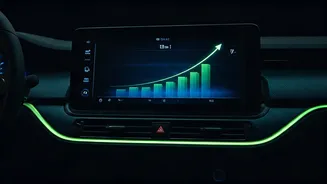
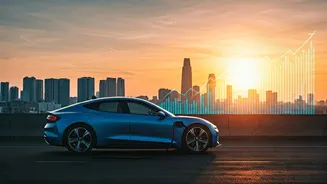
The numbers speak for themselves. The Indian electric passenger vehicle market set a new benchmark in June 2026, with 31,253 units registered. This represents a staggering 106% growth compared to the 15,203 units sold in June of the previous year. This momentum
wasn't a one-off spike; the entire quarter from April to June 2026 saw registrations jump by nearly 90% year-on-year to over 82,700 units. This rapid acceleration suggests a fundamental shift in consumer preference, moving EVs from the periphery to the centre of car-buying conversations across the nation.
Tata Motors in the Driver's Seat
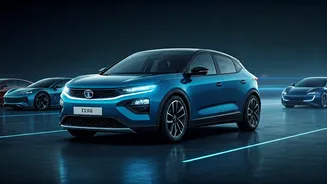
Leading this charge is homegrown auto giant Tata Motors. The company cemented its dominance by selling a record 12,023 EVs in June alone, a 125% increase from the previous year. This performance gives Tata a formidable 38% market share, meaning nearly four out of every ten new electric cars hitting Indian roads are from its stable. The secret to Tata's success lies in its diverse portfolio, which caters to various price points. Models like the Punch EV and the ever-popular Nexon EV have become volume drivers, while the more accessible Tiago EV attracts first-time electric buyers. With the recent launch of the premium Sierra EV, Tata is covering all its bases.
The Challengers Gain Ground
While Tata's lead is significant, the race is far from over. Mahindra & Mahindra has firmly established itself as the second-largest player, registering an impressive 7,645 EVs in June for a 24% market share. The company's focus on electric SUVs like the 9S and XEV 9e is clearly resonating with buyers. Together, Tata and Mahindra now command over 63% of the entire Indian EV market. Not far behind is JSW MG Motor India, which holds the third spot with a solid 18.5% market share, driven by its popular Windsor EV. The competitive landscape is also being reshaped by new entrants. Maruti Suzuki, a long-time leader in combustion engine cars, has entered the fray, while Vietnamese automaker VinFast is also making its presence felt with rapidly growing sales figures.
What's Fuelling the EV Fire?
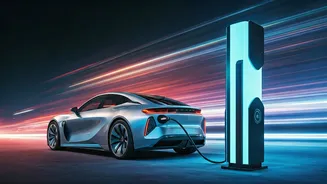
Several factors are converging to create this perfect storm for EV adoption. For one, rising fuel prices have made the long-term economics of owning an EV more attractive than ever. Government incentives and supportive policies continue to play a crucial role in lowering the initial cost barrier for consumers. Furthermore, the industry is rapidly addressing two of the biggest early concerns: range anxiety and charging infrastructure. New models now offer practical driving ranges of 300-450 kilometres on a single charge, and the network of charging stations is steadily expanding. This is bolstered by a wider availability of models, especially in the more affordable sub-Rs 15 lakh segment, making the electric dream accessible to a larger pool of buyers.