







The Core Four: Your Identity Documents
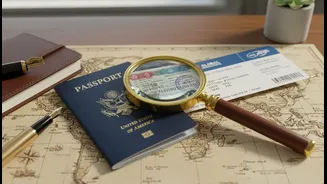
The foundation of any travel file is your primary identification. This starts with your passport and any necessary visas. Many countries require your passport to be valid for at least six months beyond your planned departure date, so check expiration
dates well in advance. Next, include your driver's license or other government-issued photo ID. You should also have a copy of your birth certificate, which can be crucial for proving citizenship if you need to replace a lost passport abroad. For each of these, have at least one physical photocopy and a clear digital scan stored securely.
Logistics and Itinerary Records
While most travel confirmations are digital, having offline access is non-negotiable. Your phone could die, or Wi-Fi might be unavailable when you need to prove a booking. Your file should include printouts or offline-accessible PDFs of all flight itineraries, hotel or rental confirmations, car rental agreements, and any pre-booked tour tickets. It's also wise to keep a written or digital list of addresses and phone numbers for every place you're staying. This simple step can be a lifesaver if you need to direct a taxi driver or fill out arrival forms.
Health and Safety Information
A medical issue far from home is daunting, but being prepared can make a significant difference. Your travel file should contain your health insurance card and a copy of your travel insurance policy with the 24/7 assistance number clearly visible. Pack a list of your prescription medications, including their generic names, and copies of the actual prescriptions. For international trips, include your vaccination records. Finally, a list of emergency contacts—both at your destination and back home—is essential. Leave a copy of this health file with a trusted person at home as well.
Financial and Emergency Backups
Losing a wallet is a common travel mishap. Mitigate the damage by having backups. Include photocopies of the front and back of all credit and debit cards you’re carrying. The back of the card has the international contact number you'll need to call to report it lost or stolen. Do not, however, store your PINs with this information. Also, include the contact information for your bank. It’s also helpful to have a small amount of emergency cash in the local currency and/or a major currency like US dollars or Euros, stored separately from your main wallet.
The Hybrid System: Physical and Digital
The most resilient travel file uses a hybrid approach. For physical copies, keep one set with you in your carry-on, separate from the original documents, and leave another set with a trusted contact at home. For digital copies, create a dedicated, clearly-labeled folder on a secure cloud service like Google Drive or Dropbox. Use password protection or encryption for an added layer of security. Before you leave, download these files to your phone so you can access them offline. This dual system ensures that even if you lose your phone or your bag, you're never completely without your vital information.
Keeping Your Records Secure on the Go
Creating the file is only half the battle; you must also protect it. When traveling, keep original documents like your passport in a secure place, such as a hotel safe or a money belt worn on your person. Be wary of using public Wi-Fi to access sensitive digital files; if you must, use a VPN to encrypt your connection. For your physical copies, consider storing them in a waterproof pouch to protect against spills or rain. The key is separation: never keep your originals and your backup copies in the same bag. If one gets lost or stolen, the other will still be safe.