



First, What Is El Niño?
El Niño is a naturally occurring climate pattern, not a single weather event. It's one phase of the El Niño-Southern Oscillation (ENSO). Under normal conditions, trade winds blow from east to west across the tropical Pacific, pushing warm surface water
towards Asia. During an El Niño, these trade winds weaken. As a result, a massive pool of warmer-than-average water builds up in the central and eastern Pacific Ocean, near the coast of South America. This change, occurring every two to seven years, is so significant that it disrupts atmospheric circulation and weather patterns across the entire globe.
How Does It Turn Up the Global Thermostat?
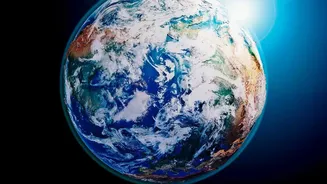
That enormous expanse of warm ocean water doesn't just stay in the Pacific. It releases a tremendous amount of heat into the atmosphere. This process effectively gives the world's average temperature a temporary, but significant, boost on top of the long-term warming trend caused by climate change. The World Meteorological Organization (WMO) and other climate bodies like NOAA have confirmed that a strong El Niño is intensifying through August-October 2026, increasing the likelihood of above-normal temperatures across much of the world. This is why years with strong El Niño events often set new global heat records.
The Global Average vs. Your Local Weather
Here's the crucial part: a 'global average temperature' is just that—an average of thousands of measurements taken over land and sea. It doesn't mean every single location on Earth will be warmer than usual by the same amount. People experience local weather, which is the day-to-day mix of temperature, rain, and wind in their specific area. This local experience can be, and often is, very different from the global trend. One region might experience a blistering heatwave while another, thousands of kilometers away, sees unseasonable cold or excessive rainfall. An El Niño can cause both.
The Local Weather Orchestra
Think of global climate drivers like El Niño as the bass section of an orchestra, providing a powerful underlying rhythm. However, your local weather is the full symphony. Many other 'instruments' are playing at the same time. These include the jet stream, regional pressure systems, and geographical features like mountains or coastlines. For India, another major factor is the Indian Ocean Dipole (IOD), a separate pattern of sea surface temperature variations in the Indian Ocean. The WMO notes that a positive IOD is also forecast for 2026, which can interact with El Niño to influence India's monsoon, potentially leading to drier conditions in some areas even as other parts of the world see more rain. These complex interactions determine the specific weather you actually feel.
A Natural Cycle on a Warming Planet
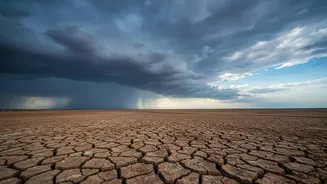
It's important to remember that El Niño is a natural phenomenon. However, it's now occurring on a planet that is already significantly warmer due to human activities. This means that the heat from an El Niño event is being added to an already elevated baseline temperature. Scientists warn this combination can amplify the impacts, leading to more extreme weather events, such as worsening droughts, more intense rainfall where it does occur, and more severe heatwaves. So while El Niño helps explain some of the year-to-year variability in global temperature, it doesn't change the underlying long-term warming trend.