






The Unseen Crisis: Why Change Is Crucial
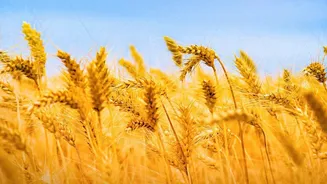
The Green Revolution turned Punjab into an agricultural powerhouse, but the relentless cycle of cultivating paddy (rice) and wheat has pushed the state's natural resources to a breaking point. The most critical issue is the depletion of groundwater. Decades
of irrigating water-intensive paddy has caused the water table to fall dramatically, with some estimates suggesting it has dropped by as much as 30 meters in recent decades. This forces farmers to drill deeper, more expensive wells, increasing their financial burden. Furthermore, the monoculture has led to soil degradation, declining fertility, and a rise in pests, which in turn necessitates more chemical inputs. Experts warn that without a significant shift, Punjab faces a severe ecological and economic crisis that could threaten not just local livelihoods but also India's food security.
Exploring the Alternatives: Beyond Wheat and Paddy
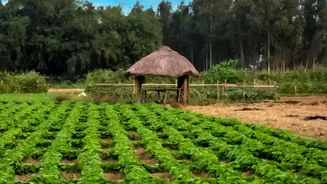
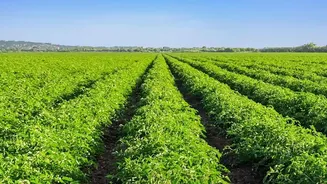
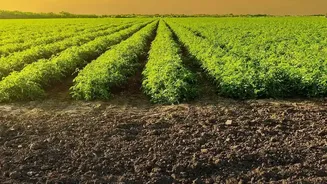
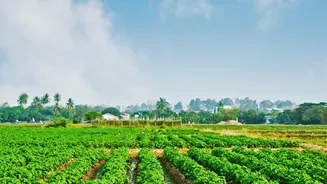
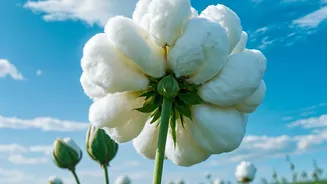
The core of diversification is shifting from water-guzzling paddy to other crops during the Kharif season. The government and agricultural experts are promoting several alternatives. Maize is a major focus, especially as demand for ethanol production grows. Other options include less water-intensive crops like cotton, pulses (like moong, arhar), oilseeds (like groundnut, soybean), and even high-value vegetables and fruits. Punjab Agricultural University has highlighted soybean as a particularly viable option, as it consumes less water, fixes nitrogen in the soil, and has both high protein and oil content. These crops offer a chance to break the monotonous agricultural cycle, improve soil health, and potentially open new revenue streams for farmers.
Government Support and Incentives
The Punjab government, with central support, has introduced schemes to encourage this transition. A key initiative offers financial incentives to farmers who switch from paddy to other crops like maize. For the 2026-27 season, the government announced a subsidy of ₹17,500 per hectare for farmers cultivating Kharif maize, expanding the program to 16 districts. The process is digitized to ensure transparency, with payments linked to geo-tagged crop verification. The central government also supports diversification through programs like the Crop Diversification Programme (CDP) and missions for promoting pulses and oilseeds. These initiatives aim to cover costs for seeds, machinery, and other inputs to make the switch financially less risky for farmers.
The View from the Ground: Why Farmers Hesitate
Despite the ecological urgency and government incentives, widespread adoption of crop diversification remains slow. For farmers, the decision is primarily economic. The wheat-paddy cycle is backed by a robust and reliable system of Minimum Support Price (MSP) and assured government procurement. This creates a safety net that alternative crops currently lack. Farmers worry about price volatility, uncertain market demand, and inadequate procurement infrastructure for crops like maize or pulses. As long as paddy remains more profitable and risk-free due to assured government buying, making the switch is a significant gamble for many, especially small and marginal farmers. Farmer unions have argued that for diversification to succeed, there must be guaranteed markets and fair prices for the alternative crops.
The Policy Puzzle: Bridging the Gap
For policymakers, the challenge is not just announcing schemes but creating a comprehensive ecosystem that makes diversification a genuinely attractive option. Simply offering a one-time subsidy is often not enough to outweigh the structural advantages of the paddy-wheat system. Experts suggest that policies need to be reoriented to create crop-neutral incentives, potentially by repurposing the massive subsidies on power and fertilizers currently skewed towards paddy. Success will require a long-term strategy that includes building robust supply chains, investing in food processing industries for alternative crops, and ensuring a stable and remunerative market. Without these foundational changes, Punjab's agricultural landscape is likely to remain dominated by the very crops that threaten its long-term sustainability.