



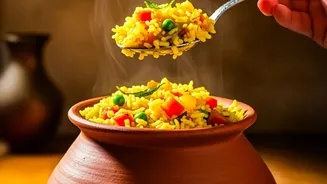
Bhoger Khichuri: The Heart of the Feast
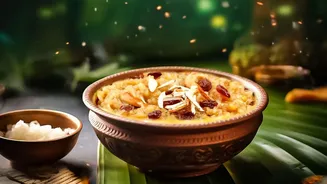
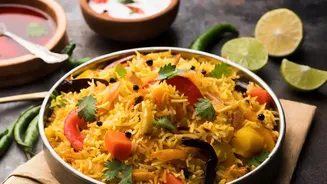
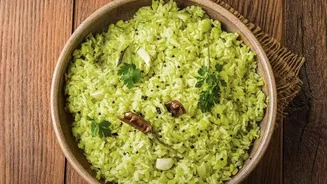
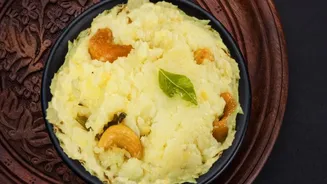
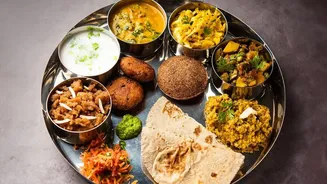
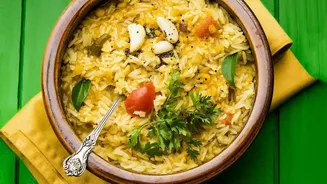
No Durga Puja is complete without tasting the bhog, the food offered to the goddess before being shared with devotees. The star of this sacred meal is bhoger khichuri, a soul-satisfying blend of roasted moong dal and gobindobhog rice. Unlike everyday
khichdi, this version is cooked without onion or garlic, relying on ginger, cumin, and a generous amount of ghee for its distinct, fragrant flavour. It's typically served with labra, a medley of seasonal vegetables slow-cooked together, and beguni, crispy brinjal fritters that add a delightful crunch. This combination is more than a meal; it’s a taste of tradition and community spirit.
Luchi and Aloor Dom: A Festive Staple
For many Bengali households, a festive breakfast or special meal during Puja means one thing: fluffy, deep-fried bread called luchi. Paired with aloor dom, a slow-cooked potato curry, it is a classic combination. The luchi is light and airy, while the aloor dom is rich with spices, often cooked niramish (without onion or garlic) for bhog offerings. The simplicity of the puffed bread perfectly balances the robust, spiced gravy of the potatoes, making it a beloved indulgence that sets a celebratory tone for the day.
Kosha Mangsho: The Rich Indulgence
While bhog is strictly vegetarian, home feasts often feature non-vegetarian delicacies, especially on Nabami, the ninth day of the festival. The undisputed king of this spread is Kosha Mangsho, a slow-cooked mutton curry. The meat is cooked for hours with spices until it becomes incredibly tender and the gravy turns a deep, rich brown. Its intense, spicy flavour is the perfect companion to luchi or a fragrant basanti pulao (sweet yellow rice). Enjoying this dish is a cherished ritual, an indulgence reserved for special occasions like Puja.
Street Food: The Pandal-Hopping Fuel
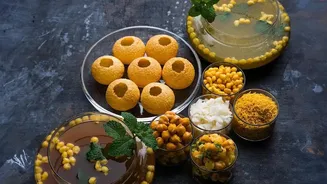
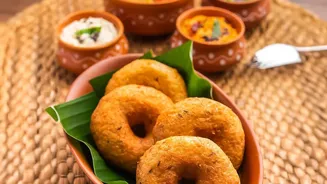
Pandal-hopping through the night is an integral part of Durga Puja, and it’s powered by Kolkata's legendary street food. Kathi rolls—flaky parathas wrapped around spicy chicken, egg, or paneer fillings—are a portable and filling favorite. Another must-have is phuchka, Kolkata's version of golgappa, which offers a burst of spicy and tangy flavours in every bite. Stalls also do a brisk trade in various deep-fried snacks known as telebhaja, including chops (minced vegetable or meat cutlets) and fish fries, often served with a pungent mustard sauce called kasundi. These snacks are the taste of the city's festive energy.
Mishti: The Sweet Finale
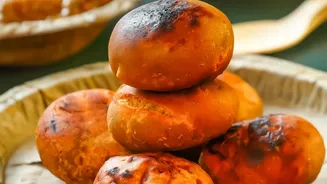
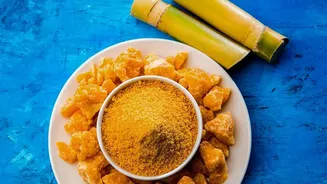
No Bengali celebration is complete without mishti (sweets). Sweet shops are filled with classics, but certain ones are synonymous with Durga Puja. Sandesh, a delicate sweet made from fresh cottage cheese (chhena), is a must-have. Another favourite is mishti doi, or sweet yogurt, which is caramelized and set in earthen pots, giving it a unique flavour and texture. And then there is payesh, a creamy rice pudding often made with fragrant gobindobhog rice, milk, and jaggery. These sweets are not just desserts; they are an essential part of the offerings and the joy of sharing during the festive season.