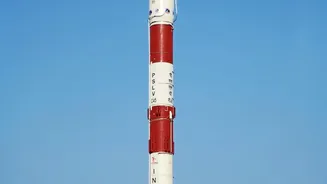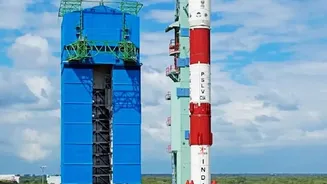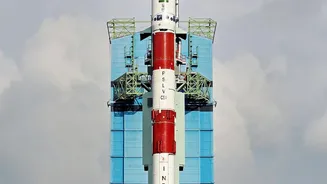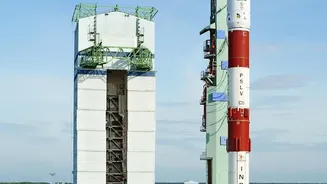





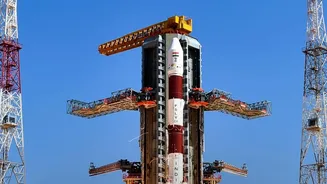
What is the Kulasekarapattinam Spaceport?
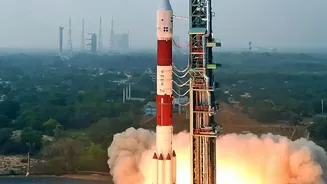
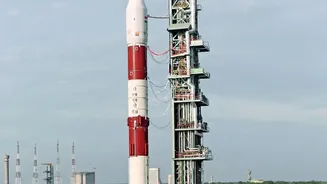
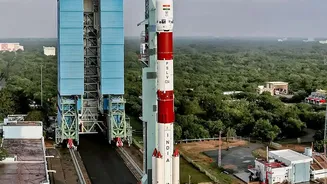
Kulasekarapattinam is the site of India's second spaceport, a project costing approximately Rs 986 crore. Situated on about 2,233 acres of land in Tamil Nadu's Thoothukudi district, its foundation stone was laid in February 2024. Unlike the primary spaceport at Sriharikota,
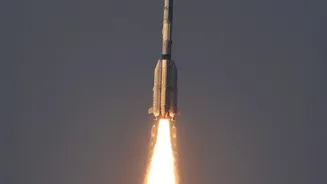
this facility is specifically designed for launching Small Satellite Launch Vehicles (SSLVs). Its key geographical advantage is its location, which allows rockets to fly directly south over the Indian Ocean. This avoids the need for a 'dog-leg manoeuvre' to bypass Sri Lanka, saving fuel and increasing the payload capacity of rockets heading for polar orbits. The facility is expected to be commissioned by the end of 2026.
Why Hand Over Operations to a Private Partner?
This decision is a major step in implementing the Indian Space Policy 2023, which aims to increase private sector participation across the entire space value chain. The goal is to create a more dynamic and competitive space ecosystem. By handing over operations, the Indian Space Research Organisation (ISRO) can transition from being an operator to focusing more on its core mission of research and development, deep space exploration, and national security. The Indian National Space Promotion and Authorisation Centre (IN-SPACe), the country's space regulator, has invited expressions of interest from Indian companies to manage the facility. This move is intended to enhance launch infrastructure, foster innovation, and increase India's small share of the global space economy, which currently stands at around 2 percent.
What Does 'End-to-End Operations' Involve?
The term 'end-to-end operations' means the selected private company will be responsible for almost every aspect of running the spaceport. This includes managing launch campaigns, maintaining the complex's infrastructure and systems, ensuring mission readiness, and overseeing all safety and security protocols. The private partner will also handle asset management, logistics, and coordination between various customers, ISRO, and IN-SPACe. To ensure a smooth handover, ISRO will provide technical guidance, operational support, and training to the selected company for a transitional period. This support will last for up to one year or until the new operator has completed three launch services, whichever comes first.
Who Are the Potential Bidders?
IN-SPACe is seeking proposals from established Indian companies with proven experience in managing large-scale infrastructure projects. The eligibility criteria are stringent, requiring applicants to have an annual turnover exceeding Rs 2,000 crore for at least three of the last five years and a minimum net worth of Rs 1,000 crore. These financial requirements suggest that the government is looking for large industrial conglomerates and infrastructure firms capable of handling the capital-intensive nature of spaceport management. While specific names have not been confirmed, the move is designed to attract major players in India's industrial landscape, transitioning space infrastructure from a purely state-led model to a commercial one.
What Are the Broader Implications for India?
This privatization model is a game-changer for India's space sector. It is expected to create a robust ecosystem around Kulasekarapattinam, with the Tamil Nadu government planning a 'Space Industrial Investment Zone' in the region to attract manufacturing and research firms. For private space companies and startups, which have grown from one in 2014 to over 400 in 2026, it provides direct access to launch infrastructure, a domain previously reserved for the government. By increasing launch frequency and efficiency, particularly for the booming small satellite market, India aims to position itself as a globally competitive and attractive hub for commercial space launches. This move ultimately accelerates India's journey toward becoming a major power in the international space economy.