






The High-Speed Connection Plan
The vision for seamless connectivity is ambitious and transformative. The National Capital Region Transport Corporation (NCRTC) has proposed a 72.44-kilometre corridor to link Ghaziabad directly to the Noida International Airport (NIA) at Jewar. This
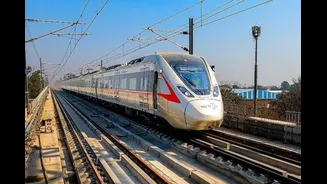
isn't just a simple metro line; it's a dual-purpose system. The plan includes tracks that will support both the high-speed Namo Bharat regional trains and local metro services. The Namo Bharat trains, designed to travel at speeds up to 180 kmph, would stop at 11 key stations, drastically cutting travel time between Ghaziabad and the airport to an estimated 40-50 minutes. Alongside this, local metro services would cater to commuters by stopping at 18 stations, integrating the burgeoning residential and industrial hubs of Greater Noida and the Yamuna Expressway region into the network. The majority of the line, about 71.5 km, is planned to be elevated, with a small underground section of just over a kilometre to provide direct access to the airport terminal.
First Hurdle: The Detailed Project Report
Before any construction can begin, the project must clear a series of bureaucratic hurdles, the first of which is the Detailed Project Report (DPR). The NCRTC has already prepared and submitted this crucial document to the Uttar Pradesh government for its consideration. A DPR is essentially the project's comprehensive blueprint. It outlines the technical specifications, station alignments, construction methodology, and, most importantly, the estimated cost, which currently stands at approximately ₹20,640 crore. The report has reportedly received clearance from a divisional-level committee, but the final green light must come from the state government. This approval is the critical next step that will determine if and when the project moves forward. The state's decision will be based on a thorough review of the DPR's financial viability and its alignment with regional development priorities. Until that signature is secured, the entire plan remains on paper.
The All-Important Funding Model
An infrastructure project of this magnitude comes with a hefty price tag, and securing the funds is a major part of the approval process. The estimated cost of over ₹20,000 crore requires a clear and committed funding plan. Typically, such large-scale transit projects are financed through a cost-sharing model between the central and state governments, sometimes with contributions from other development authorities. According to the plan approved by the Yamuna Expressway Industrial Development Authority (YEIDA), the financial burden would be split. The proposal suggests that 50% of the funding would come from the Government of India, 20% from the Uttar Pradesh government, and the remaining 30% would be shared by YEIDA and the Greater Noida Industrial Development Authority (GNIDA). The state government's approval of the DPR is intrinsically linked to its willingness to commit to its share of the funding. This financial negotiation is often one of the most complex stages in getting a project off the ground.
From Blueprint to Reality
Even with government approval and secured funding, the journey from blueprint to a functioning rail line is long and fraught with challenges. The "execution" phase is where the real-world complexities begin. The first major task is land acquisition. Securing the land needed for the elevated corridor and the 20-plus stations can be a slow and contentious process. Once the land is acquired, the project will involve massive civil engineering work, including erecting pillars, laying tracks, and building stations, all while navigating existing urban infrastructure. Utility shifting—moving power lines, water pipes, and sewer systems—is another intricate and time-consuming part of the process. The entire construction timeline, from the first shovel in the ground to the first train service, is expected to take several years. Given that the airport is already operational, the pressure to execute this connectivity project efficiently and on schedule will be immense.
Why This Link Matters for NCR
The Ghaziabad-Jewar Namo Bharat link is more than just a convenient way to catch a flight. It's a critical piece of infrastructure that promises to unlock economic potential across the National Capital Region. For passengers, it means reliable, fast, and seamless access to the new airport, bypassing the traffic and uncertainty of road travel. For residents of Noida, Greater Noida, and the Yamuna Expressway areas, it provides a much-needed public transport spine, connecting them to Ghaziabad and the wider NCR. This enhanced connectivity is expected to spur economic activity, making the region more attractive for businesses and real estate investment. By integrating residential areas with commercial hubs and the international airport, the corridor can boost employment and trade, transforming developing areas into prime economic zones. In short, the project is a vital step towards creating a more integrated, mobile, and economically vibrant National Capital Region.