








What Exactly Is Liquidity?
In simple terms, liquidity is about how easily you can buy or sell an asset without causing a major shift in its price. Think of it like this: selling a popular, brand-new smartphone is easy. There are thousands of buyers, and the price is well-established.
You can likely sell it for close to its market value within a day. This is a highly liquid asset. Now, imagine trying to sell a rare, vintage comic book. While it might be valuable, finding the right buyer willing to pay your asking price could take weeks or even months. This is an illiquid asset. The key difference is the number of ready and willing buyers and sellers. A market with lots of participants and high trading activity is considered liquid.
The Seller's Dilemma: The Bid-Ask Spread
When you decide to sell an asset, especially a financial one like a stock, you encounter the 'bid-ask spread'. The 'bid' price is the highest price a buyer is willing to pay, while the 'ask' price is the lowest price a seller is willing to accept. The difference between these two is the spread. In a highly liquid market, with many buyers and sellers competing, this spread is usually very narrow. For instance, shares of a large, frequently traded company might have a spread of just a few paise. However, in a market with low liquidity, the spread widens. There are fewer buyers, so those who are present can afford to offer a lower price (a lower bid). If you need to sell urgently, you have little choice but to accept that lower bid, effectively taking a hit on the price for the convenience of a quick sale. This spread is the transaction cost you pay for speed.
Not All Assets Are Created Equal
Liquidity varies dramatically across different types of assets. Cash is the most liquid asset of all. Publicly traded stocks of large companies and major currencies are also highly liquid because they are traded in vast volumes every day. On the other hand, assets like real estate are famously illiquid. Selling a house or a plot of land involves finding a specific buyer, lengthy negotiations, and complex paperwork, a process that can take months. Other illiquid assets include fine art, collectibles, and stakes in private companies. While these assets can be very valuable, converting that value into cash is neither quick nor guaranteed. An investor who needs money fast might be forced to sell their property or artwork for significantly less than its appraised value.
When the Whole Market Dries Up
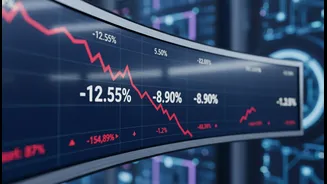
Sometimes, it’s not just a single asset that’s illiquid, but the entire market. During times of financial crisis or extreme uncertainty, liquidity can evaporate even from normally stable markets. Fear can cause buyers to disappear, and everyone rushes to sell at the same time. In such scenarios, even sellers of highly liquid assets like blue-chip stocks might find they have to accept much lower prices to find a buyer. This is known as liquidity risk—the danger that you won't be able to sell when you want to without incurring a significant loss. Investors demand higher returns from assets with higher liquidity risk to compensate them for the potential difficulty of selling later on.
How to Navigate Liquidity Risk
Understanding liquidity is crucial for any investor. It’s not just about the potential for an asset to grow in value, but also about your ability to access that value when you need it. Before investing, consider the nature of the asset. If you might need the cash on short notice, putting it all into illiquid assets like real estate or private equity could be a mistake. A balanced portfolio often includes a mix of liquid assets (like stocks and bonds) for flexibility and potentially higher-return, illiquid assets for long-term growth. The golden rule is to align your investment timeline with the asset's liquidity profile. Don't invest money you might need next year in an asset that could take two years to sell.