


What is Rehabilitation?
At its core, rehabilitation is a branch of medicine focused on helping you recover and improve the skills needed for daily living that may have been lost due to illness, injury, or surgery. It’s a personalized program designed to restore function, reduce
pain, and enhance your overall quality of life. Whether you are recovering from a stroke, heart attack, major surgery, or a serious injury, rehabilitation provides a guided path toward regaining as much independence as possible. The process is a collaborative effort between you and a dedicated team of healthcare professionals.
The Core Team Behind Your Recovery
Your rehabilitation journey involves a team of specialists who work together to create a comprehensive care plan. This team often includes: Physical Therapists (PTs), who focus on restoring movement, strength, balance, and mobility. They use targeted exercises and techniques to help you walk, climb stairs, and move with greater confidence. Occupational Therapists (OTs) help you relearn the practical tasks of daily life, often called "occupations". This includes self-care activities like dressing, bathing, and eating, as well as more complex tasks like cooking or managing household chores. Speech-Language Pathologists (SLPs) address issues with communication and swallowing, which can be affected by events like a stroke. They work to improve speech, language comprehension, and safe swallowing techniques.
Regaining Strength and Mobility
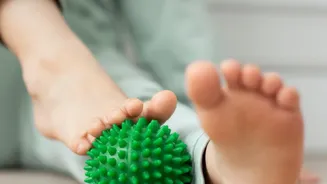
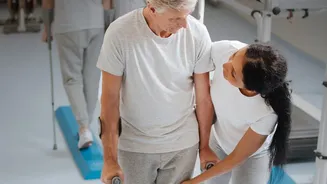
Physical therapy is a cornerstone of recovery, especially after an event that impacts your movement. Inactivity after surgery or an injury can lead to muscle weakness and stiff joints. A physical therapist creates a personalized plan with safe, progressive exercises to rebuild muscle, improve your range of motion, and reduce pain. The goal is to maximize your physical recovery by promoting blood flow and stimulating healing. This guided approach not only helps you regain strength but also teaches you how to move safely to prevent future injuries, giving you the confidence to get back on your feet.
Relearning Everyday Activities
While physical therapy helps you move, occupational therapy helps you live. OTs focus on improving your ability to perform meaningful daily activities independently. An OT might teach you new ways to accomplish tasks, such as one-handed dressing techniques, or recommend adaptive equipment like grab bars or specialized utensils to make your home safer and daily life easier. By breaking down challenging activities into manageable steps and finding creative solutions, occupational therapists empower you to take back control of your daily routines.
More Than Just Physical Recovery
The journey back from a major health event is not just physical; it's also deeply emotional. It's common to struggle with anxiety, frustration, or a sense of lost identity. Rehabilitation provides crucial psychological benefits by offering a structured routine and a supportive environment, which can reduce feelings of anxiety and helplessness. Achieving small, consistent goals in therapy builds immense confidence and a sense of accomplishment. Furthermore, the social interaction with therapists and sometimes other patients helps combat the loneliness and isolation that can accompany a long recovery, reminding you that you are not alone.