





Beyond a Single 'Superfood'
The idea of 'boosting' your immune system with one specific food is more marketing than science. In reality, the immune system is a complex network of cells and processes that requires a consistent and diverse supply of nutrients to function optimally.
Think of it less like a quick fix and more like building a strong foundation, brick by brick. A diet lacking in key nutrients can weaken your defences, making you more susceptible to infections. Conversely, a balanced and varied eating pattern ensures all parts of your immune response—from physical barriers like your skin to the production of germ-fighting cells—are well-supported.
The Micronutrient Powerhouses
Vitamins and minerals, collectively known as micronutrients, are the unsung heroes of immune health. They work in synergy, meaning they often rely on each other to perform their functions effectively. Key players include vitamins A, C, D, and E, along with minerals like zinc, iron, and selenium. These nutrients act as antioxidants, protect healthy cells, support the growth of immune cells, and help produce antibodies that fight off pathogens. Studies show that individuals with poor nutrition are at a greater risk of bacterial and viral infections. In India, dietary surveys have highlighted deficiencies in several of these crucial micronutrients, including iron, zinc, and vitamin A, making a conscious effort to include them even more important.
Key Vitamins for Your Defence
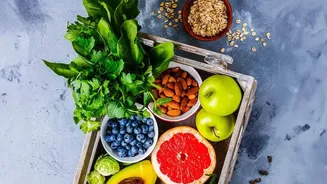
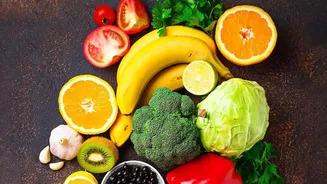
To build a resilient immune system, focus on incorporating a variety of vitamins. Vitamin C, found in amla, guava, oranges, and bell peppers, is a powerful antioxidant that supports white blood cell function. Vitamin A helps regulate immune responses and is found in carrots, sweet potatoes, and leafy greens like spinach. Vitamin D, often called the 'sunshine vitamin', plays a critical role in regulating immunity, with deficiencies linked to a higher risk of respiratory infections. You can find it in fatty fish, mushrooms, and fortified dairy products. Vitamin E, present in almonds, sunflower seeds, and avocados, also functions as a vital antioxidant.
Essential Minerals for Immunity
Minerals are just as critical as vitamins for a robust immune response. Zinc is vital for the development and communication of immune cells; a deficiency can impair your body's ability to fight off pathogens. Good sources include lentils, beans, seeds, and shellfish. Iron helps carry oxygen to your immune cells and is crucial for their growth. Find it in lean meats, chicken, lentils, and spinach. Selenium, found in eggs and sunflower seeds, has powerful antioxidant properties that support the immune system. A balanced diet containing a mix of dals, whole grains, nuts, and vegetables will typically provide these essential minerals.
Don't Forget Your Gut
A significant portion of your immune system resides in your gut. A healthy gut microbiome—the community of beneficial bacteria living in your digestive tract—is closely linked to strong immunity. To support it, include probiotic-rich foods like yogurt (dahi) and other fermented products in your diet. These foods introduce good bacteria to your system. Equally important are prebiotic foods, which act as fuel for these beneficial microbes. Onions, garlic, bananas, and whole grains are excellent sources of prebiotics. By nurturing your gut health, you are directly supporting your body's primary defence headquarters.
Building an Immune-Supportive Plate
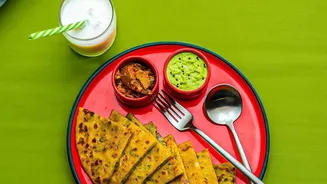
Creating an immune-supportive diet is about variety and consistency. Aim to fill your plate with a rainbow of fruits and vegetables to ensure you get a broad spectrum of vitamins and antioxidants. Incorporate lean proteins like chicken, fish, lentils, and beans, which provide the building blocks for immune cells and antibodies. Choose whole grains such as brown rice and whole wheat chapati over refined options. Healthy fats from nuts, seeds, and avocados also play a role in reducing inflammation. Finally, spices common in Indian cooking, like turmeric, ginger, and garlic, contain compounds that possess anti-inflammatory and immune-enhancing properties.