




The All-Too-Common Chutney Problem
We have all been there. You buy a fresh, fragrant bunch of coriander, gather your mint, chillies, and spices, and blend them into what should be a spectacular green chutney. But instead of a thick, vibrant condiment, you are left with a disappointingly
watery, pale green sauce that separates in the bowl. Even worse, it loses its fresh flavour quickly and starts to brown in the fridge within a day or two. It is a common frustration that can make even the most delicious samosas or chaat feel a little lacklustre. Many home cooks blame the blender, the freshness of the herbs, or the recipe itself. While those factors can play a role, the most common culprit is often overlooked: excess water clinging to your coriander leaves.
Why Wet Coriander Is the Enemy
The instruction to wash and dry your herbs seems basic, almost skippable. But in the science of chutney-making, it is a non-negotiable rule for achieving perfection. When you blend wet coriander, you are introducing excess water into the mixture. This water does three things that sabotage your chutney. First, it dilutes the flavour. The essential oils in the coriander, mint, and spices are what give the chutney its powerful punch, and water quite literally thins them out. Second, it ruins the texture. A great chutney is an emulsion, where the ingredients are bound together into a creamy, consistent paste. Excess water breaks this emulsion, causing the solids to separate from the liquid. This is why you get that dreaded watery layer. Finally, moisture accelerates oxidation. Oxidation is the chemical reaction that causes fresh ingredients to brown when exposed to air, and it is the primary reason your bright green chutney turns a dull, unappetizing colour. Reducing the water content is a key preservation principle.
The Right Way to Wash Your Dhania
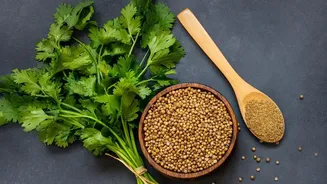
Properly washing coriander is about more than a quick rinse under the tap. Bundles of dhania often hide a surprising amount of grit and soil, which you certainly do not want in your final product. The best method is to submerge the coriander in a large bowl of cold water. Gently swish the leaves and stems around to dislodge any dirt, letting it sink to the bottom. Lift the coriander out of the water rather than pouring the water out, which would just pour the grit back over the leaves. If the water is particularly dirty, repeat this process with a fresh bowl of water until it remains clear. Be gentle throughout this process; you want to clean the leaves, not bruise them, as damaged leaves can release bitter compounds. Many recipes suggest using tender stems, as they are packed with flavour, but discard any thick, fibrous stalks, which can also lend a bitter taste.
The Crucial Drying Phase
This is the step that makes all the difference. Once your coriander is clean, you must get it as dry as possible. A salad spinner is the most effective tool for this job. A few quick spins will wick away the majority of the water without crushing the delicate leaves. If you do not have a salad spinner, you can gently pat the coriander dry between two clean kitchen towels or layers of paper towels. Another method is to lay the washed herbs in a single layer on a towel and let them air-dry for a while. You can also gather the washed coriander into a bundle, hold the stems firmly, and shake it vigorously over the sink to fling off excess water. Whatever method you choose, the goal is to ensure the leaves feel dry to the touch before they go into the blender. This step might add five extra minutes to your prep time, but it pays off immensely in the final result.
The Reward: Perfect Chutney, Every Time
When you blend thoroughly dried coriander, the difference is immediate and obvious. The chutney will have a noticeably thicker, creamier consistency that clings beautifully to food instead of pooling around it. The flavour will be more concentrated and vibrant, allowing the fresh taste of the herbs and the zing of the spices to shine through. The colour will be a deep, brilliant green, and it will stay that way for much longer. Adding an acid like lemon juice at the end of the blending process will also help preserve this colour by slowing down oxidation. By controlling the water content, you also extend the chutney's shelf life. A drier chutney is less prone to bacterial growth and can last for several days in an airtight container in the refrigerator without losing its flavour or turning brown.