








The Economics of Old vs. New
The simplest reason for this trend is cost. A new wide-body aircraft like a Boeing 787 or Airbus A350 carries a list price in the hundreds of millions of dollars. In contrast, a comprehensive cabin retrofit costs a fraction of that, typically ranging
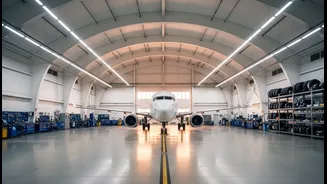
from $5 million to $15 million for a wide-body. For airlines navigating tight margins, this is a compelling proposition. It allows them to improve the product they sell to passengers without the massive capital expenditure of a new fleet order. Wide-body jets are built to last, with lifespans that can exceed 25 to 30 years or more than 100,000 flight hours. The airframe often has decades of safe, usable life left even when its cabin starts to feel dated. From a financial perspective, investing in a multi-million dollar interior refresh to extend a plane's revenue-generating years makes perfect sense.
What a Modern Retrofit Involves
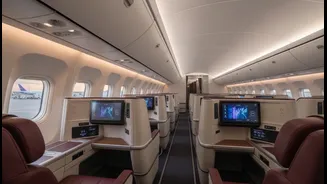
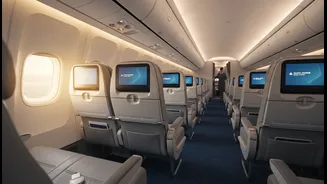
A modern retrofit is far more than just new seat covers and carpets. It is a nose-to-tail overhaul of the passenger experience. Airlines are completely stripping out old interiors and installing new, lighter seats that can improve fuel efficiency. They are upgrading in-flight entertainment (IFE) systems with larger, higher-resolution screens and adding connectivity with high-speed Wi-Fi and USB charging ports at every seat. Premium cabins see the most dramatic changes, with the installation of lie-flat business class suites and, increasingly, new premium economy sections. For example, Emirates' extensive retrofit program involves installing thousands of new premium economy seats, while Air India's project includes all-new private suites in business class. The goal is to make a 15-year-old aircraft feel factory-fresh, ensuring brand consistency across the entire fleet.
The Global Production Logjam
Even if an airline wanted an all-new fleet, it couldn't get one quickly. As of mid-2026, both Airbus and Boeing are sitting on massive order backlogs. Airbus has an active order book of over 9,200 aircraft, representing roughly 10 years of production. Boeing's backlog stands at over 6,700 jets. This production challenge is intensified by persistent global supply chain issues, which are delaying the delivery of parts, engines, and finished aircraft. These disruptions mean airlines are waiting longer for the new, more fuel-efficient planes they ordered, costing the industry billions in missed savings and higher maintenance costs. This reality forces carriers to keep their existing aircraft in service for longer, making retrofitting not just an option, but a necessity to remain competitive.
A Bridge to a Better Experience
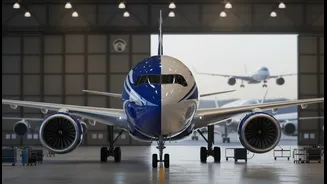
For passengers, flying on a retrofitted aircraft is often indistinguishable from flying on a new one. The parts that matter most—the seat, the screen, the cleanliness of the cabin—are all brand new. Major carriers like Emirates and Air India have poured billions into their retrofit programs, completely transforming the interiors of their Boeing 777s and Airbus A380s. This strategy allows them to offer a modern and consistent product across hundreds of aircraft, regardless of the airframe's age. By upgrading older jets, airlines can maintain network capacity and avoid disruptions that would otherwise be caused by delivery delays. It ensures that passengers receive a high-quality experience today, while the airline waits for the next generation of aircraft to arrive tomorrow.