






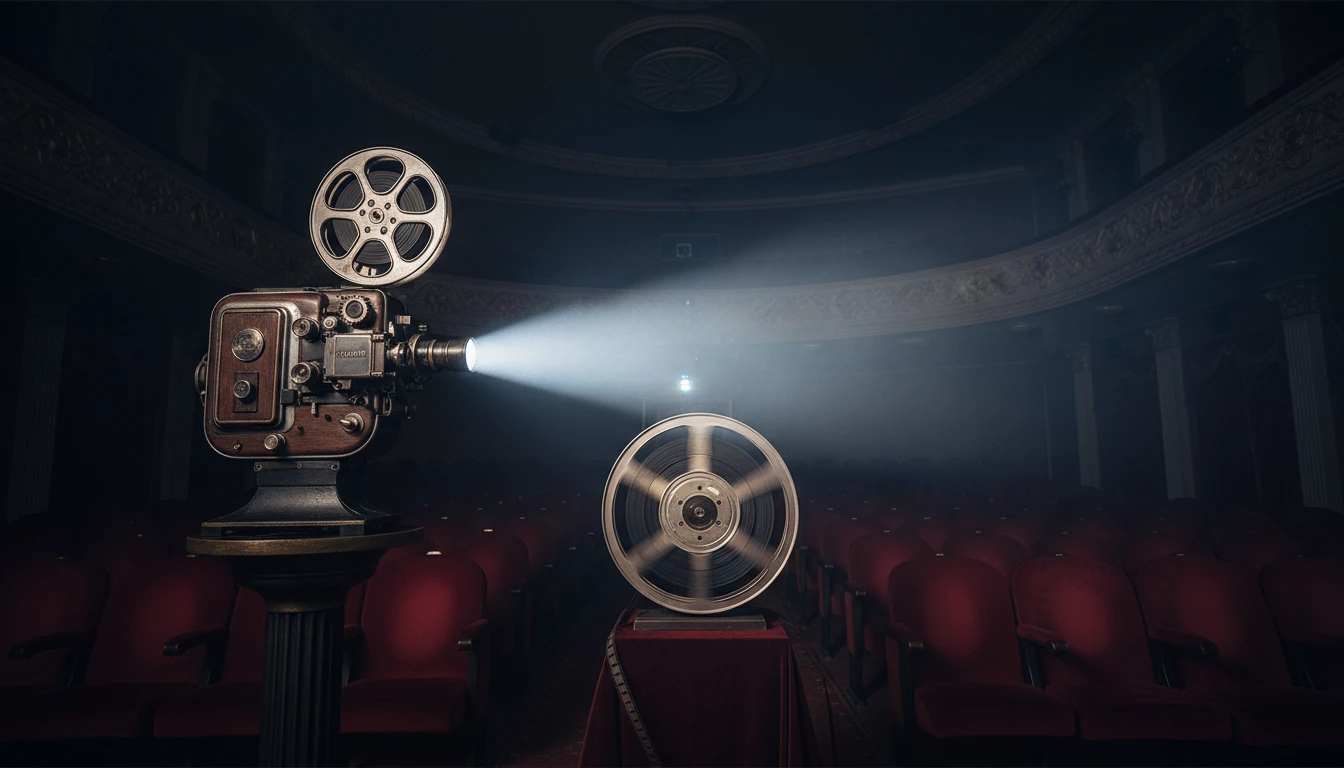


Nolan’s Ultimate Vision
Christopher Nolan has long been a champion of large-format filmmaking, believing it offers the most immersive experience possible. With films like 'The Dark Knight', 'Dunkirk', and 'Oppenheimer', he consistently pushed the boundaries of what IMAX cameras
could do. 'The Odyssey', an adaptation of Homer's epic poem, represents the pinnacle of this ambition: the first feature film shot entirely using IMAX 15/70mm film cameras. This means every single frame, from quiet dialogue to epic sea battles, was captured on a massive piece of celluloid, promising unparalleled clarity and a truly massive field of view. Nolan's goal is to make the screen disappear, creating a sense of '3D without the glasses' that fills a viewer's peripheral vision.
What is IMAX 15/70mm Film?
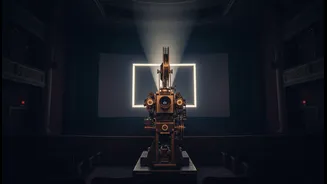
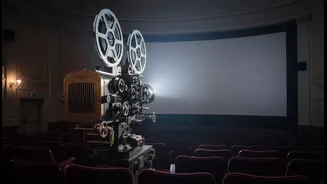
To understand the challenge, you have to understand the format. A standard 35mm film frame is dwarfed by an IMAX 15/70mm frame, which is nearly nine times larger. The film runs horizontally through the projector, with each frame being 15 perforations wide (hence '15-perf'). This enormous surface area captures an incredible amount of detail, equivalent to a digital resolution of up to 18K. When projected, these images are meant to fill a giant screen with an aspect ratio of 1.43:1, which is much taller and more square than the widescreen formats most moviegoers are used to. For 'The Odyssey', this means the physical film print for a single theatre weighs over 270 kilograms and stretches for nearly 18 kilometres.
The Scarcity of Spectacle
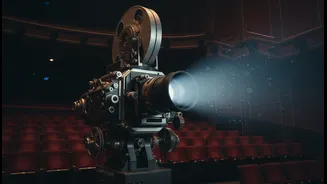
This brings us to the headline's number: 41 theatres. While there are over 1,800 screens globally that bear the IMAX brand, only this small handful are equipped to project 15/70mm film. The reason is a combination of technology and economics. These projectors are enormous, complex machines that haven't been manufactured in decades. IMAX CEO Richard Gelfond has explained that it’s simply not practical to build new ones from scratch for the one or two movies a year that might use them. Instead, IMAX has to hunt down, salvage, and completely rebuild old projectors to keep the format alive. Following the success of 'Oppenheimer', which screened in 30 such theatres, IMAX spent over a year bringing an additional 11 projectors online for 'The Odyssey'.
A Hierarchy of Viewing
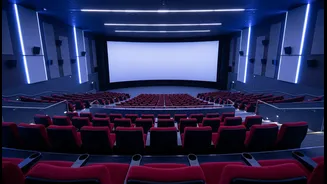
So what will everyone else see? Not all IMAX is created equal. The vast majority of moviegoers will see a digital version of 'The Odyssey'. The next best thing to the 70mm film print is IMAX with Laser (also known as GT), a dual 4K laser projection system capable of replicating the full 1.43:1 aspect ratio. Below that are other formats like single-laser IMAX and the older Xenon digital IMAX systems, which project a smaller, cropped 1.90:1 image. While these are still premium experiences compared to a standard cinema, they don't represent the full, uncompromised picture that Nolan captured on set. This has created a pilgrimage for dedicated fans, who travel across countries to see the film in one of the 41 chosen venues.
Artistry vs. Accessibility
Nolan's uncompromising artistic vision raises a fascinating debate. On one hand, he is single-handedly preserving and elevating a cinematic art form that was on the verge of extinction, creating a true 'event' that distinguishes moviegoing from home streaming. The sold-out shows and frantic demand prove there is an appetite for this kind of spectacle. On the other hand, it creates a two-tiered system where the 'definitive' version of a film is inaccessible to over 97% of the IMAX audience, let alone the general public. The director's purism has become a logistical challenge for the exhibition industry, which long ago pivoted to the convenience and lower cost of digital projection. It's a clash between the bleeding edge of analogue artistry and the reality of modern commerce.