



The Secret Ingredient: Ergosterol
Mushrooms are unique in the produce aisle because they are not plants, but fungi. Their cell walls contain a compound called ergosterol, a precursor to vitamin D. This is the fungal equivalent of cholesterol in human skin. Just as our skin produces vitamin D when
exposed to the sun's ultraviolet (UV) rays, mushrooms convert ergosterol into vitamin D2 when they are exposed to UV light. This process can happen even after the mushrooms have been harvested, giving you the power to enhance their nutritional value right in your own kitchen. While humans produce vitamin D3, mushrooms produce D2. Both forms effectively raise vitamin D levels in the blood, making UV-exposed mushrooms a valuable dietary source, especially for those on plant-based diets.
A Simple Trick to Boost Vitamin D
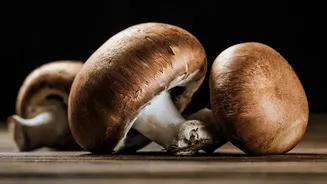
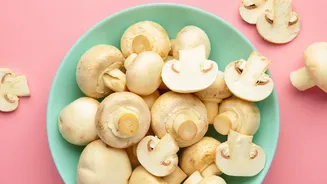
Most commercially grown mushrooms are cultivated in the dark and contain very little vitamin D. However, you can change that with a bit of sunshine. Exposing fresh mushrooms to direct sunlight for as little as 15 to 60 minutes can significantly increase their vitamin D content. For best results, slice the mushrooms before setting them out. This increases the surface area exposed to the sun. Place them on a tray with the gills facing up, as the gills have a high concentration of ergosterol. Doing this on a clear day between 10 a.m. and 4 p.m. is ideal. Studies have shown that a 100-gram serving of button mushrooms, which normally has negligible amounts, can provide a substantial amount of your daily vitamin D needs after this simple sunbathing session. Even dried mushrooms can have their vitamin D levels boosted by sun exposure.
Choosing the Right Mushroom
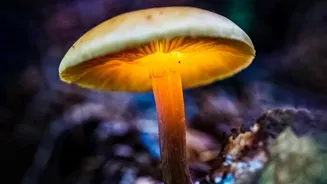
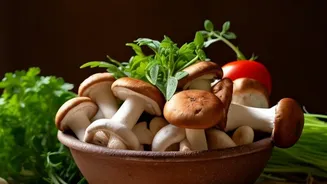
While this light trick works on most common mushrooms, some varieties are naturally better suited for vitamin D production. Maitake, or 'hen of the woods', is a standout, with UV-exposed versions containing exceptionally high levels of vitamin D. Shiitake mushrooms are also an excellent choice; sun-dried shiitakes, in particular, pack a potent vitamin D punch that is well-preserved. Portobello and common button mushrooms (both white and brown) are also very effective at producing vitamin D when exposed to light. Wild mushrooms like morels and chanterelles can be naturally high in vitamin D because they grow in sunlight, but levels can be inconsistent. For a reliable and accessible option, starting with store-bought button, shiitake, or portobello mushrooms is a great strategy.
How Cooking Affects Vitamin D
Once you have boosted your mushrooms' vitamin D levels, you will want to preserve them during cooking. The good news is that vitamin D2 is quite heat-stable. Studies show that frying, baking, and even boiling retain a large percentage of the vitamin. Pan-frying without oil and grilling seem to result in the highest retention, often preserving around 85% or more of the vitamin D. Boiling may cause slightly more loss than frying, but a significant amount still remains. One thing to be mindful of is that vitamin D is fat-soluble. This means cooking mushrooms in a lot of oil might cause some of the vitamin to leach into the oil. Overall, most standard cooking methods will still deliver a healthy dose of the vitamin to your plate.
Getting the Right Portion
So, how many sun-kissed mushrooms do you need to eat? The recommended daily intake of vitamin D for most adults is around 600 International Units (IU), which is equivalent to 15 micrograms. After just 15-20 seconds of commercial UV light treatment, a 100-gram serving of portobello mushrooms can contain anywhere from 124 to over 1,000 IU of vitamin D. Some studies have found that a single 75-gram serving of UV-exposed button mushrooms can provide more than 100% of the daily recommendation. A handful of UV-exposed maitake or dried shiitake mushrooms can also easily meet your daily needs. By incorporating a single serving of these light-treated fungi into your meals a few times a week, you can make a significant contribution to your overall vitamin D status.