





1. Money Plant (Pothos)
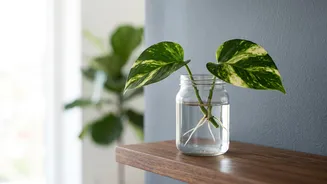
A symbol of good fortune in many Indian homes, the Money Plant is arguably the easiest plant to propagate. Its forgiving nature makes it perfect for beginners. The beautiful trailing vines can be grown in both soil and water, adding a touch of green to any corner.
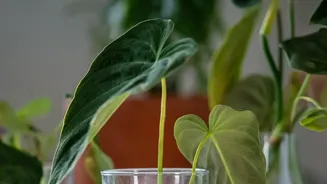
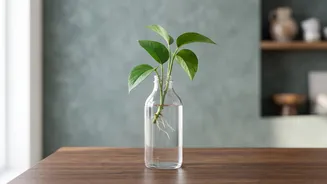
All you need is a healthy stem to start an entirely new plant. To begin, select a healthy vine and cut a 4-6 inch piece just below a node (the small bump on the stem where a leaf grows). You can use this single cutting to create a new plant. Remove the leaves from the lower half of the stem. You can then place the cutting in a clear jar of water, ensuring at least one node is submerged. Place it in a spot with bright, indirect light and change the water every few days. Within a few weeks, you'll see small white roots begin to appear. Once the roots are a few inches long, you can transfer your new plant to a pot with soil.
2. Hibiscus (Japakusum)
The vibrant, beautiful hibiscus flower is a common sight in gardens across India, often used in prayers and hair care. Propagating this plant is a great way to add more of its tropical beauty to your surroundings. The best time to take cuttings is in the early summer when the plant has fresh, soft new growth. Choose a healthy, pencil-thick branch of new growth that hasn't flowered yet. Cut a 6-inch stem from this branch. Remove all the leaves except for the top two or three. To encourage rooting, you can dip the cut end in a rooting hormone, though it's not always necessary. Plant the cutting in a pot filled with a moist, well-draining soil mix, burying about half of its length. To create a humid environment that helps the cutting thrive, you can cover the pot with a clear plastic bag. Place it in a shady spot and keep the soil moist. In about six to eight weeks, your cutting should develop roots and begin to show new leaf growth.
3. Snake Plant (Sansevieria)
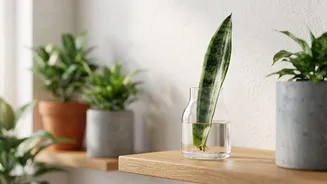
Known for its air-purifying qualities and striking, upright leaves, the Snake Plant is incredibly resilient and requires minimal care. It's also surprisingly easy to propagate from a single leaf, which can be cut into multiple sections to create several new plants. Start with a healthy, mature leaf. Using a clean, sharp knife, cut the leaf into sections that are at least 2-3 inches tall. It's very important to remember which end is the bottom (the part closer to the soil), as only this end will produce roots. To avoid confusion, you can cut a small notch at the top of each section. Let the cuttings sit out for a day or two to allow the cut ends to callus over, which helps prevent rot. Then, simply push the bottom end of each cutting about an inch deep into a pot of moist, well-draining soil. Be patient, as snake plants are slow growers; it can take a couple of months for roots to form and even longer for new pups to sprout from the soil.
4. Rose (Gulab)
Everyone loves the classic beauty and fragrance of a rose. While many roses sold today are grafted, it's still possible to grow a new plant from a cutting, especially from older, hardier 'desi' varieties. This method creates a new plant that is a true copy of its parent. The ideal time to take rose cuttings is in the late spring or early summer from a stem that has just finished flowering. Select a healthy stem about the thickness of a pencil. Cut a 6 to 8-inch section and remove the lower leaves, leaving just a few at the top. Dip the bottom end of the cutting in rooting hormone to improve your chances of success. Plant the cutting in a pot with moist soil, deep enough to cover at least two nodes. You can cover the pot with a plastic bottle with the bottom cut off to create a mini-greenhouse effect. Keep the soil moist and place the pot in a location that gets light but not direct sun. You'll know it has rooted when you feel slight resistance on a gentle tug after a few weeks.
5. Curry Leaf Plant (Kadi Patta)
An essential in every Indian kitchen, having a fresh supply of curry leaves is a true luxury. While often grown from seeds, you can also propagate this fragrant plant from cuttings. It's best to take cuttings during the spring or summer when the plant is actively growing. For the highest chance of success, take a semi-hardwood cutting—one that is not brand new and soft, but not old and woody either. Cut a 4 to 6-inch piece from the tip of a healthy branch. Strip the leaves from the bottom half of the cutting. You can root the cutting in a glass of water or directly in a pot with a moist, well-draining soil mix, like sand and compost. If rooting in soil, cover the pot with a plastic bag to maintain high humidity and place it in a warm, bright spot away from direct sun. Roots typically form within a few weeks, and you will soon have a new Kadi Patta plant ready for your kitchen garden.