





Rethink Your Cooking Method
The way you cook your food can dramatically alter its nutritional profile. While deep-frying might be delicious, it adds a significant amount of fat and calories. Healthier methods like steaming, baking, grilling, and air-frying can deliver fantastic
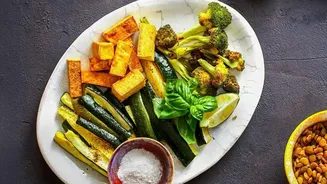
flavour with a fraction of the oil. Steaming, in particular, is one of the best methods for preserving heat-sensitive nutrients like vitamin C in vegetables. Even stir-frying, when done quickly with minimal oil, can be a healthy way to retain nutrients while achieving a delicious texture. Experiment with steaming fish, baking vegetable-based snacks instead of frying them, and using an air fryer for that satisfying crunch on everything from potatoes to chicken.
Become a Master of Swaps
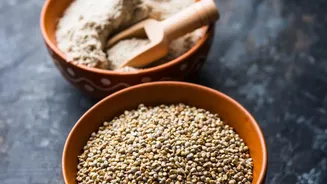
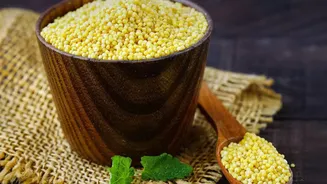
You don't have to give up your favourite dishes; just make smarter substitutions. Swap refined white rice for brown rice or millets like jowar and bajra to increase your fibre intake. Instead of using refined flour (maida), opt for whole wheat flour (atta) in your rotis and parathas. When a recipe calls for cream, try using thick yogurt or a tomato-based purée to achieve a similar rich consistency in gravies. Even simple changes, like choosing lean cuts of meat or replacing some meat with lentils and beans, can make a big difference. These swaps boost the nutritional content of your meals, keeping you fuller for longer and providing sustained energy.
Embrace Herbs and Spices
One of the easiest ways to cut down on salt without sacrificing taste is to become generous with herbs and spices. Indian kitchens are already treasure troves of flavourful, health-boosting spices. Turmeric, for instance, contains curcumin, which has powerful anti-inflammatory and antioxidant properties. Cumin is excellent for digestion, while coriander can help manage cholesterol. Instead of reaching for the salt shaker, try adding a squeeze of lemon or lime juice at the end of cooking to brighten flavours. Aromatic spices like cardamom and ginger not only add complexity to your dishes but also come with their own set of health benefits.
Be Wise About Fats and Oils
Fat is essential for flavour and the absorption of certain vitamins, but the type and amount you use matter. Instead of refined oils, consider using cold-pressed options like mustard, coconut, or sesame oil, which retain more of their natural nutrients. When you do need to fry or sauté, use non-stick pans which require less oil. You can also apply oil with a brush or spray bottle instead of pouring it directly into the pan. For dressings and finishing dishes, extra virgin olive oil is a heart-healthy choice. Trimming visible fat from meat and removing the skin from poultry before cooking are also simple habits that significantly reduce saturated fat intake.
Mind Your Grains and Sugars
The grains and sweeteners you choose play a huge role in your overall health. As mentioned, switching from white bread, rice, and flour to their whole-grain counterparts is a powerful change. Whole grains are rich in fibre, which aids digestion and helps maintain stable blood sugar levels. When it comes to sugar, the hidden sources are often the biggest culprits. Packaged sauces, cereals, and sugary drinks can add a surprising amount to your daily intake. Try swapping refined sugar with natural alternatives like dates or a moderate amount of jaggery or honey. Instead of store-bought sauces, which can be high in both sugar and salt, try making your own fresh chutneys at home.