



The Great Indian Diet Paradox
For generations, a significant portion of the Indian population has followed a vegetarian diet due to cultural and religious beliefs. While Western studies often link vegetarianism with lower rates of obesity and diabetes, the situation in India is different.
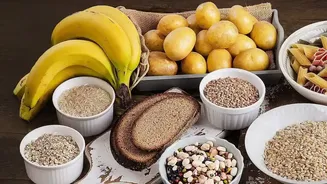
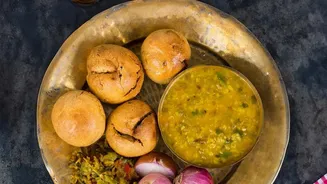
Many traditional Indian vegetarian meals, though delicious and culturally significant, are heavily reliant on carbohydrates, often refined ones, which can pose a significant risk for developing type 2 diabetes. The issue isn't the absence of meat but the overabundance of certain other food groups that can disrupt blood sugar balance over time.
The Real Culprits on Your Plate
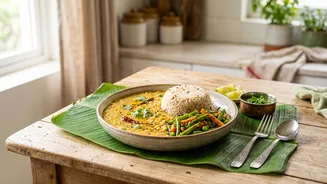
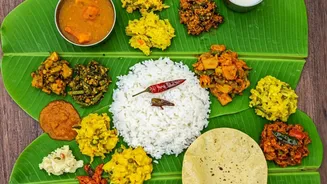
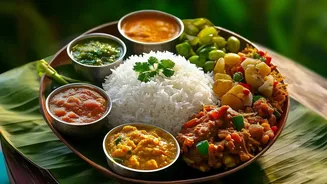
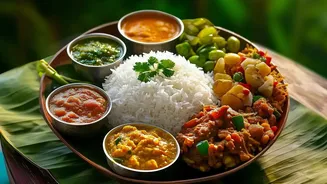
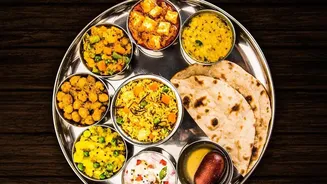
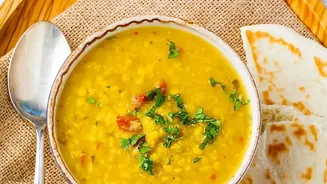
The primary issue lies in the high glycemic index (GI) of many staple foods. High-GI foods are digested quickly, causing a rapid spike in blood sugar. A typical Indian meal often revolves around a large portion of white rice or several rotis made from refined wheat flour (atta), with smaller servings of dal (lentils) and sabzi (vegetables). Breakfasts like poha, idli, and dosa are also largely grain-based. While these provide quick energy, their heavy consumption meal after meal leads to repeated glucose spikes. Furthermore, cooking methods can be a problem. Deep-frying snacks like samosas and pakoras, and the generous use of oil and ghee, contribute to insulin resistance and increase the risk of conditions like fatty liver.
Foods to Watch: Beyond the Obvious
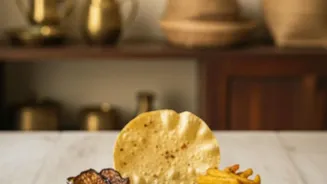
It’s not just about sweets like gulab jamun or jalebi, which have a very high GI. Seemingly harmless staples need a closer look. Polished white rice, for instance, has a high GI. Potatoes, another cornerstone of Indian vegetarian cooking, can also contribute to diabetes risk, especially when fried. Studies have shown that frequent consumption of french fries is linked to a significantly higher risk of type 2 diabetes, whereas boiled or baked potatoes have less of an impact. The key takeaway is that how a food is prepared and what it's paired with matters just as much as the food itself.
Building a Diabetes-Friendly Thali
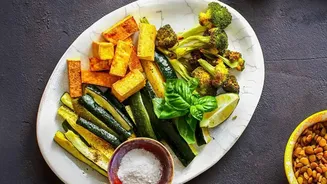
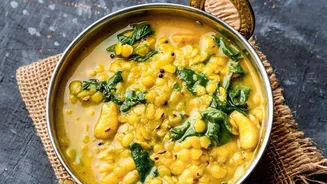
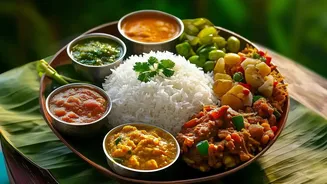
The good news is that an Indian vegetarian diet can be incredibly healthy with a few structural shifts. The key is balance, often visualized using the 'plate method'. Imagine your plate divided: fill half of it with non-starchy vegetables like spinach, cabbage, bell peppers, or okra. These are high in fibre, which slows down sugar absorption. One quarter of your plate should be dedicated to protein sources like dal, paneer, tofu, or legumes. The final quarter is for carbohydrates. Crucially, this is where you should opt for complex, low-GI alternatives like whole millets (ragi, jowar, bajra), brown rice, or rotis made from whole wheat or multigrain flour.
Simple Swaps for Lasting Health
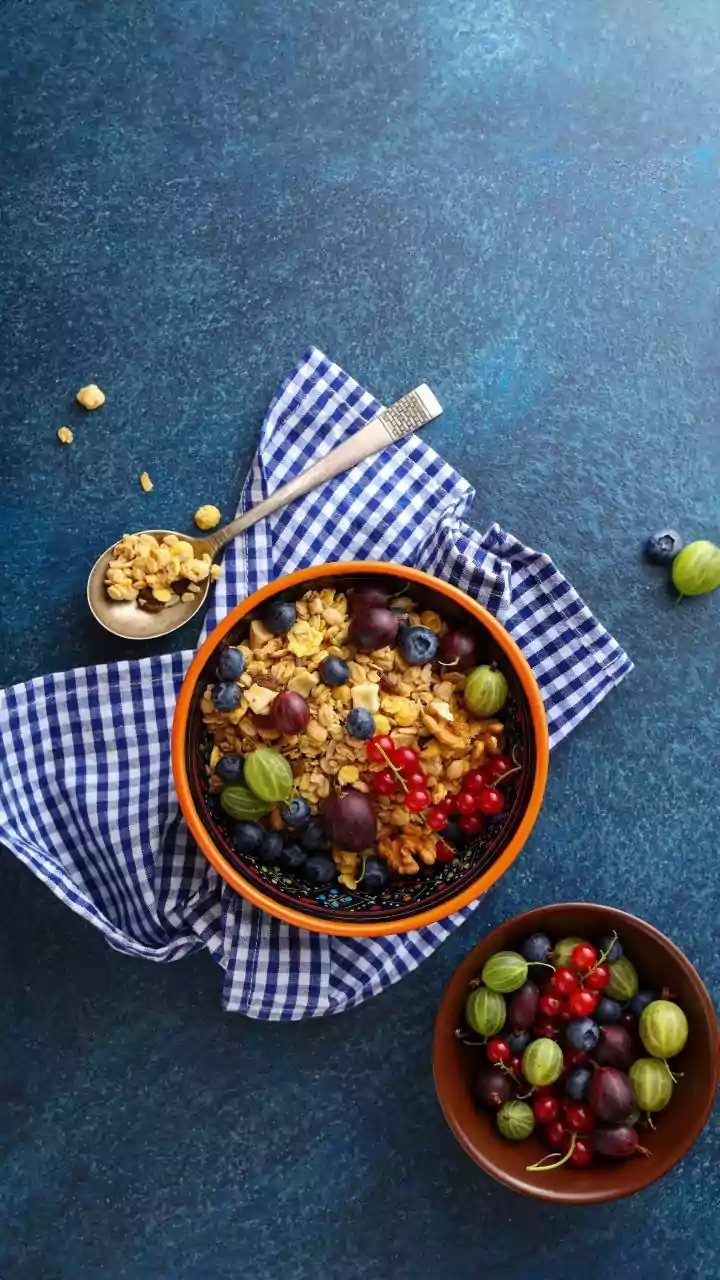
Making your diet more diabetes-friendly doesn't require a complete overhaul. Start with small, manageable changes. Instead of starting your day with a grain-heavy breakfast, try a moong dal chilla or vegetable oats upma. For lunch and dinner, consciously increase your vegetable and dal portions while reducing the amount of rice or rotis. Instead of juice, eat the whole fruit to get the benefit of fibre. Smart snacks include a handful of roasted chana or mixed nuts instead of fried namkeen or biscuits. These simple swaps help manage blood sugar levels, promote satiety, and ensure your vegetarian diet is truly working for your long-term health.