

Embrace the 'Ingredient Overlap' Method
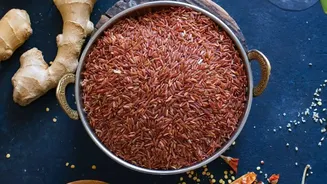
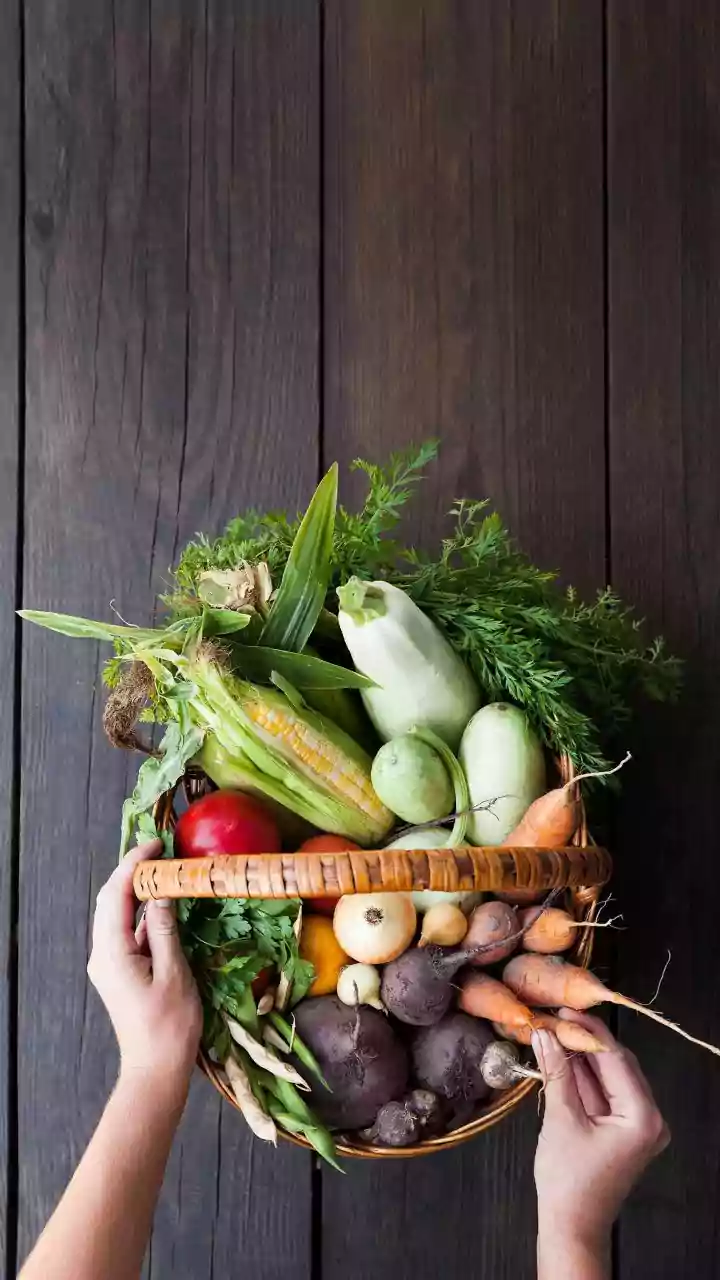
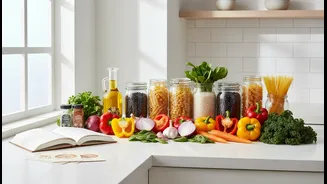
The secret to escaping the single-cook's trap of wilting herbs and half-used jars is to plan meals around versatile, overlapping ingredients. Instead of buying specific items for one recipe, think of a week's shopping list as a flexible toolkit. Choose
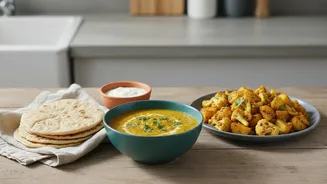
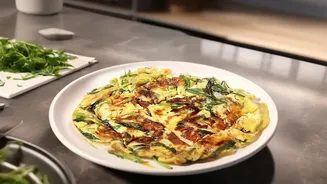
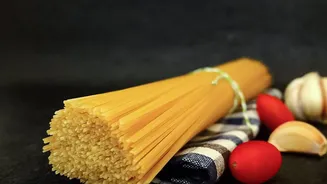
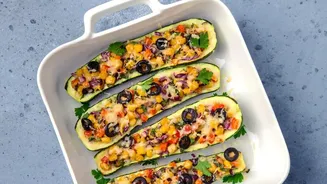
one or two proteins, a couple of starches, and a few vegetables that can be mixed and matched. For example, a roast chicken on Sunday can become chicken for tacos on Tuesday and the base for a hearty chicken soup on Thursday. A bag of spinach can be used in a smoothie, wilted into pasta, and served fresh in a salad. This 'cook once, eat three ways' philosophy not only slashes food waste but also simplifies your grocery trips and mental load. By simply changing the seasonings or cooking method, the same core ingredients can create meals with entirely different flavor profiles.
Make Your Freezer Your Co-Chef
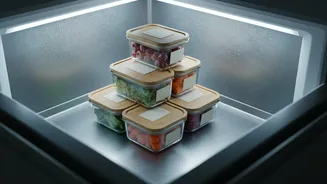
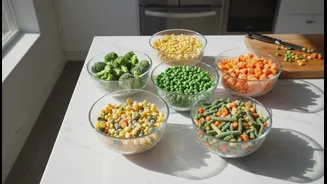
Your freezer is the single most powerful tool for a solo cook. It’s not just for storing leftovers; it's for building a library of future meals. The key is to freeze items in single-serving portions. Don’t just throw a whole container of chili in the freezer; divide it into individual portions using freezer-safe containers, reusable silicone bags, or dedicated freezer trays. This allows you to pull out exactly what you need for a quick meal, avoiding the dreaded cycle of thawing and eating the same thing for days. Think beyond finished meals. Freeze components that make future cooking faster: portions of cooked rice, cubes of pesto or tomato sauce in ice cube trays, blanched vegetables, and individual chicken breasts or fish fillets. Label everything with the contents and date to keep your frozen assets organized.
Shop Smarter, Not Bigger
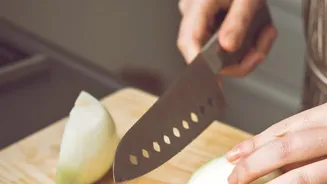
Navigating a supermarket designed for families can be daunting, but it’s possible to shop efficiently for one. Be realistic about how much you can eat and resist the siren song of bulk-buy 'deals' that lead to waste. Make friends with the butcher, deli, and seafood counters, where you can request the exact amount of meat or cheese you need instead of being locked into a pre-packaged size. Embrace buying loose produce—just one onion or two potatoes is perfectly fine. When you do have to buy a larger package, have a plan for it. If you buy a loaf of bread, freeze half immediately for later use. A smart shopping trip starts with a plan based on the 'ingredient overlap' method, ensuring everything you buy has a purpose in multiple meals for the week ahead.
Batch Cook Components, Not Just Meals
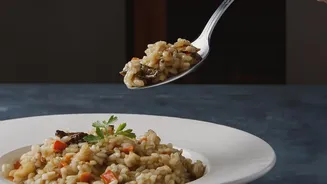
While batch-cooking entire meals is a great strategy, you can gain even more flexibility by prepping components. Spend an hour on the weekend preparing foundational elements for the week's meals. You can cook a batch of quinoa or rice, roast a sheet pan of mixed vegetables, hard-boil a few eggs, and grill some chicken or tofu. Store these components in separate containers in the fridge. Now, assembling a quick weeknight meal is a breeze. You can throw together a grain bowl, a satisfying salad, or a quick stir-fry in minutes because the most time-consuming parts are already done. This approach provides variety and keeps food from getting soggy, offering the perfect middle ground between cooking from scratch every night and eating the same pre-portioned meal repeatedly.