


The Quest for a Greener Roar
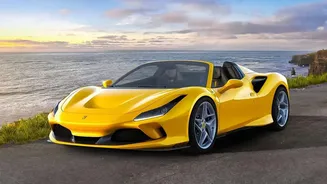
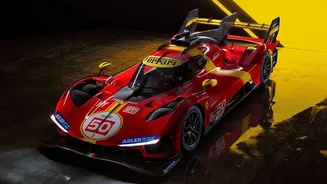
In a recent earnings call, Ferrari CEO Benedetto Vigna confirmed the company has been successfully testing biofuels in its existing engines. The key takeaway from these early trials is that the cars perform just as well on these alternative fuels, with
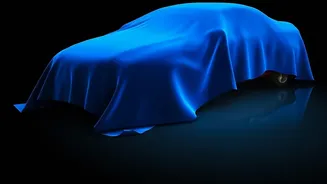
Vigna stating that “nothing changes” in terms of performance. This development is a crucial part of Ferrari’s strategy to navigate tightening emissions regulations without abandoning the internal combustion engines (ICE) that define its heritage. While the brand's first fully electric car has reportedly sold out its initial production run, Ferrari is making it clear that it is not going all-in on batteries just yet. The goal is to keep its options open, viewing biofuels as a potential path toward carbon neutrality for its legendary powerplants.
Biofuel vs. E-Fuel: What's the Difference?
While often discussed together, biofuels and e-fuels are not the same. Biofuels are typically derived from organic matter, such as waste biomass, agricultural products, or even algae. They are considered a renewable resource because the carbon emitted when they are burned is roughly equivalent to the carbon absorbed by the organic material during its life. On the other hand, e-fuels (or synthetic fuels) are created synthetically. The process generally involves using renewable electricity—from wind or solar, for instance—to create green hydrogen, which is then combined with carbon dioxide captured from the atmosphere. The result is a liquid fuel that is chemically similar to gasoline but with a nearly-neutral carbon footprint. While Ferrari's recent announcements have focused on biofuels, the company groups them under the broader umbrella of 'carbon-neutral fuels', suggesting a wider interest in these technologies.
A Three-Pronged Powertrain Strategy
Ferrari's exploration into alternative fuels is not happening in a vacuum. It is one part of a flexible, three-pronged powertrain strategy the company plans to pursue for the foreseeable future. Instead of committing to a single technology, Ferrari intends to offer customers a choice between traditional internal combustion engines, hybrids, and fully electric vehicles. By 2030, the company projects its product mix will consist of 40% ICE models, 40% hybrids, and 20% full EVs. This is a notable shift from earlier plans that forecasted a higher percentage of EVs, reflecting a wider industry trend of hedging bets as consumer demand for electric cars proves complex. This strategy allows Ferrari to cater to both new clients demanding electric options and long-time enthusiasts who value the traditional driving experience.
Following a Rival's Footsteps?
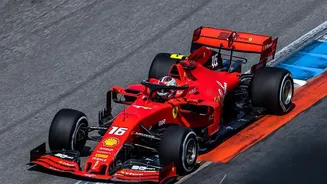
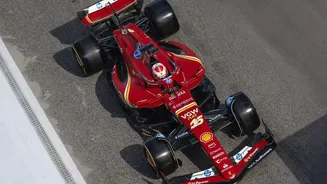
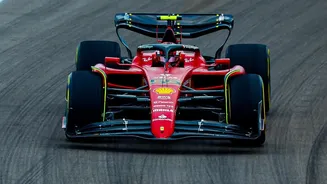
Ferrari isn't the only supercar manufacturer looking for ways to save the combustion engine. Rival Porsche has been a vocal proponent of e-fuels, investing over $100 million into the technology and backing an industrial production facility in Chile. This plant uses the region's powerful winds to create renewable energy for its e-fuel production. Porsche's logic is that millions of existing gasoline cars will remain on the road for decades, and e-fuels offer a way to decarbonize them. While Porsche is further ahead in the industrialization of e-fuels, Ferrari is leveraging its Formula 1 partnership with Shell to develop 100% sustainable fuels for the 2026 season, with the hope that track technology will eventually migrate to its road cars. This shows a shared belief among high-performance brands that the future may not be exclusively electric.
The Experimental Road Ahead
Despite the promising test results, Ferrari has been clear that these biofuel trials are still experimental. Vigna has offered few specifics on the types of fuels tested or which engines were used, and no timeline for a production rollout has been announced. The primary purpose of discussing the trials seems to be signaling to customers and the market that Ferrari is actively working to preserve the ICE. The challenge for all carbon-neutral fuels remains cost and scale. Producing them is currently far more expensive and energy-intensive than refining traditional gasoline, and it remains to be seen if production can be scaled up to meet significant demand. For Ferrari, the path forward is one of deliberate exploration, not a sudden revolution. The roar of the engine may one day be powered by something very different, but the brand is ensuring it doesn't fall silent.