





It's Not the Coffee, It’s the Heat
First, let's clear the air: coffee itself is not the villain here. In fact, after reviewing over 1,000 studies, the World Health Organization's International Agency for Research on Cancer (IARC) concluded there isn't enough evidence to link coffee drinking
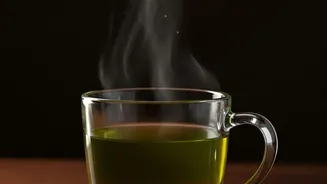
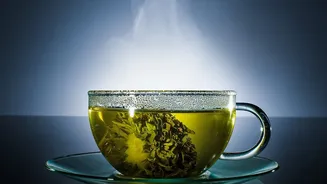
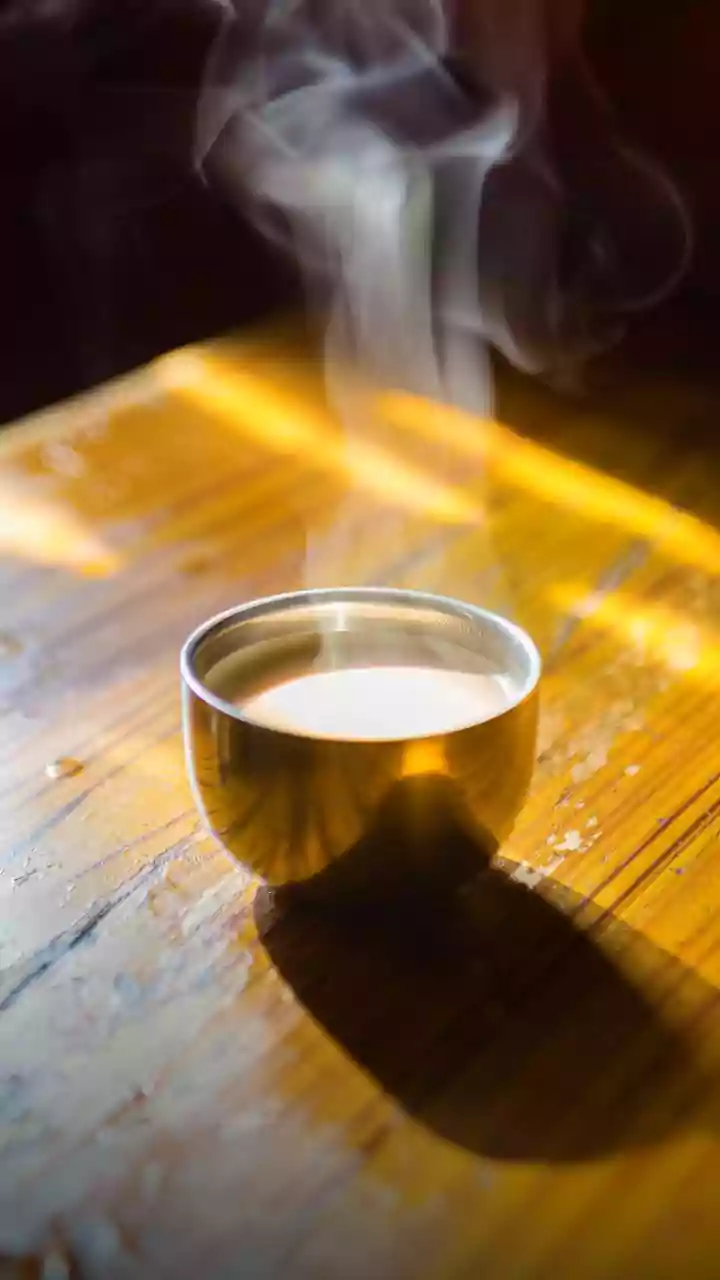
to cancer. The real concern lies with the temperature of any beverage you consume. The IARC has classified drinking very hot beverages—above 65 degrees Celsius (149 degrees Fahrenheit)—as “probably carcinogenic to humans”. This applies equally to scalding hot tea, soup, or any liquid. The problem isn't what's in your cup, but the extreme heat hitting your body.
The Science of Thermal Injury
To understand the risk, think about what happens when you accidentally touch a hot pan. You get a burn. Now, imagine doing that to the delicate lining of your oesophagus, the tube that carries food and drink from your throat to your stomach. When you repeatedly sip liquids that are too hot, you cause a form of chronic, low-grade thermal injury to the cells lining this tube. Your body is resilient and constantly works to repair this damage by replacing the injured cells. However, this constant cycle of damage and rapid regeneration increases the statistical chance that a mistake could occur during cell division, potentially leading to precancerous changes over many years.
A Specific, Elevated Risk
The research specifically links this habit to a higher risk of a particular cancer: oesophageal squamous cell carcinoma (SCC). One major UK study found that people who reported drinking their beverages 'very hot' had a threefold higher risk of developing this type of cancer compared to those who drank them 'warm'. This link has been observed in studies across the globe, particularly in regions where consuming very hot tea or other beverages is a cultural norm. It's important to note that this doesn't mean you will get cancer from hot coffee; the overall risk for this specific cancer type can be low in many populations. However, it is an avoidable risk factor, especially when combined with other major risks for oesophageal cancer like smoking and heavy alcohol consumption.
How Hot Is Too Hot?
The 65°C threshold identified by the IARC is a key number. For context, water boils at 100°C. A coffee or tea brewed with freshly boiled water can easily be served at 90-95°C. Even after a few moments, it can remain well above the 65°C danger zone. While you probably don't have a thermometer handy for your morning brew, a good rule of thumb is to wait until it no longer feels uncomfortably hot to your lips or scalds your tongue. If you have to sip it very gingerly or blow on it extensively before every sip, it's likely too hot. A comfortable and safe drinking temperature is generally considered to be below 60°C.
Simple Ways to Sip Safer
Protecting yourself from this risk doesn't require giving up your favourite hot drinks. It just requires a little patience. The simplest solution is to just wait. Let your cup of coffee or tea sit for a few minutes before you start drinking. Experts suggest waiting about six minutes for a drink to cool to a safer temperature. Other easy strategies include adding a splash of cold milk or cream, which can significantly lower the temperature, or transferring your beverage to a different cup to help it cool faster. The goal is to turn a scalding drink into a pleasantly warm one, preserving both the ritual and your long-term health.