




What is Rooibos?
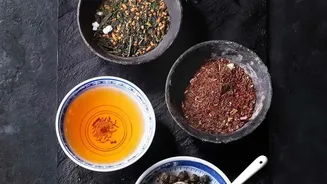
Often called 'red bush tea', rooibos is not a true tea in the technical sense. It doesn't come from the Camellia sinensis plant that gives us black and green tea, but from Aspalathus linearis, a shrub grown exclusively in South Africa's Cederberg mountain
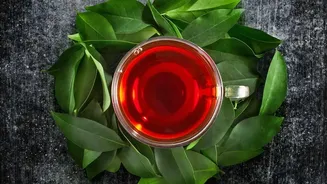
region. For centuries, it has been used by the indigenous Khoi and San people for its perceived medicinal qualities. The harvested leaves and stems are bruised and oxidized, a process that develops their characteristic reddish-brown colour and a naturally sweet, earthy flavour with hints of vanilla. Its most notable characteristic is that it is completely caffeine-free, making it a soothing option for any time of day.
A Primer on Antioxidants
Before diving into what makes rooibos special, it helps to understand what antioxidants do. In our bodies, we have unstable molecules called free radicals, which are produced during normal metabolic processes and increased by exposure to pollution and stress. When free radicals outnumber antioxidants, it can lead to oxidative stress, a state linked to cell damage. Antioxidants are compounds that help neutralize these free radicals, supporting the body's defence systems. Many healthy foods, including fruits, vegetables, and teas, are rich in these protective compounds.
The Unique Antioxidants in Rooibos
Here is where rooibos truly stands out. While many teas contain antioxidants, rooibos is packed with a very specific and rare one called aspalathin. In fact, rooibos is the only known natural source of this potent flavonoid. Aspalathin is the star player in rooibos's antioxidant lineup, but it works alongside others like nothofagin (another rare antioxidant) and the more common quercetin. This unique combination is what scientists believe gives rooibos its distinctive health-promoting potential. While green tea is famous for its high levels of catechins, rooibos offers a completely different set of compounds, meaning the two are not directly comparable in their effects.
Potential Health Benefits
The powerful antioxidants in rooibos have been linked to several potential health benefits. Research, much of which is still emerging from human studies, suggests that aspalathin may help regulate blood sugar levels and improve insulin resistance, making it a subject of interest for managing type 2 diabetes. Some studies have also shown that rooibos can positively impact heart health by improving lipid profiles and boosting the overall antioxidant status in the blood. Its anti-inflammatory properties are also under investigation. While these findings are promising, it's important to remember that most research is ongoing, and rooibos should be seen as a component of a healthy lifestyle rather than a cure-all.
How It Compares to Other Teas
Compared to black and green tea, the most obvious difference is the lack of caffeine. This makes rooibos an excellent choice for those who are sensitive to caffeine or want a warm, comforting drink in the evening. Furthermore, rooibos contains very low levels of tannins, which are compounds that can sometimes interfere with the absorption of nutrients like iron and cause bitterness in black and green teas. While some analyses suggest green tea may have a higher overall antioxidant capacity, the antioxidants in rooibos, particularly aspalathin, are unique and offer different potential benefits. There is also a 'green' version of rooibos, which is unoxidized and tends to have even higher antioxidant levels, though with a grassier flavour.