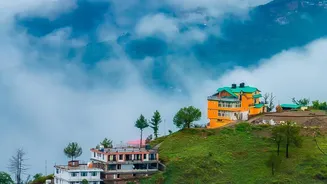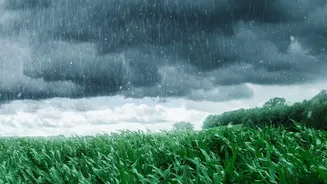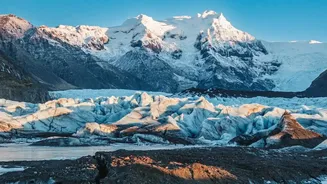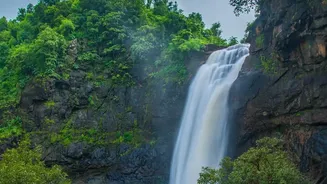



The New Reality: More Than Just Cold Weather
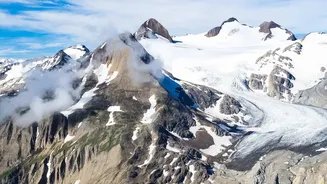
For generations, a trip to the Himalayas meant preparing for the cold. Today, the primary threat has shifted. The region is warming at nearly twice the global average, leading to dangerously erratic weather patterns. This isn't about a chilly evening;
it's about cloudbursts, flash floods, and landslides that can occur with frightening speed. The monsoon season, in particular, has become a period of high risk, with intense bursts of rain on fragile, steep slopes. Events that were once rare are now frequent, with entire roads, bridges, and villages being washed away in minutes, often cutting off access and leaving travellers stranded.
Flash Floods and Landslides: A Deadly Combination
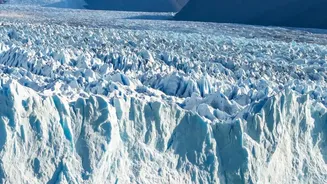
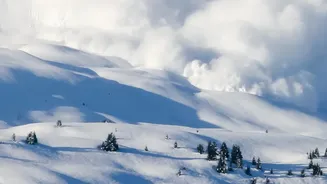
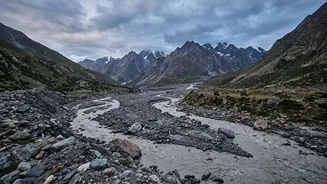
The most immediate dangers for any traveller are flash floods and landslides. Heavy rainfall can trigger glacial lake outburst floods (GLOFs), where lakes formed by melting glaciers suddenly breach their natural dams, sending a tsunami of water, rock, and mud down valleys. The 2021 Chamoli disaster was a stark example of this, where a high-altitude event caused catastrophic destruction downstream. Similarly, incessant rains saturate the soil on mountain slopes, leading to devastating landslides that bury roads and towns. Recent years have seen a grim regularity to these events in states like Uttarakhand and Himachal Pradesh, especially during the monsoon months of July and August, which unfortunately coincide with peak tourist and pilgrimage seasons. These disasters have claimed hundreds of lives and caused billions in infrastructure damage.
Why Is This Happening?
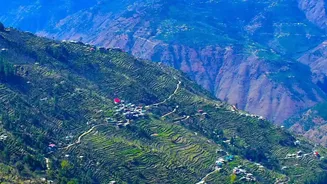
The root cause is a combination of climate change and geology. The Himalayas are a young, geologically active mountain range, making them inherently unstable. This natural fragility is now being amplified by climate change, which intensifies the monsoon, accelerates glacial melt, and makes rainfall patterns unpredictable. Furthermore, rapid and often unplanned development—including road widening, tunnel construction, and the growth of tourist facilities—has disturbed natural drainage and destabilised slopes, increasing the risk of disaster when extreme weather strikes.
Before You Go: An Essential Safety Checklist
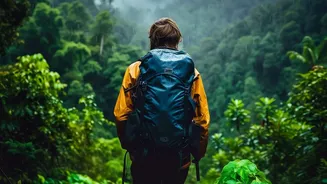
Respecting the mountains begins with preparation. Ignoring warnings can have fatal consequences. First, check the weather meticulously. Follow forecasts from the India Meteorological Department (IMD), which issues specific warnings for Himalayan states. Avoid travel, especially to remote areas, during periods of heavy rain warnings. Second, plan your trip outside the core monsoon season (July-August) if possible; post-monsoon (October-November) often offers clearer, more stable conditions. Third, travel with a reputable agency or guide who has local knowledge and is trained in first aid. Do not trek alone. Finally, always inform someone of your detailed itinerary and have a backup plan in case roads are blocked or conditions worsen.
On the Ground: What to Do in an Emergency
If you are caught in an extreme weather event, your priority is safety. Never attempt to cross a road or bridge during a flash flood; the water's force is deceptive and can sweep away vehicles. Move to higher ground immediately and stay away from riverbanks. If you are in a vehicle during a landslide warning, do not stop in areas with steep, unstable-looking slopes above you. Pay attention to local alerts and the advice of authorities—if they issue an evacuation order, comply immediately. It is crucial to carry a basic emergency kit with a torch, whistle, first-aid supplies, and extra food and water. Remember that mobile networks may fail, so a battery-powered radio can be a lifeline for receiving official updates.