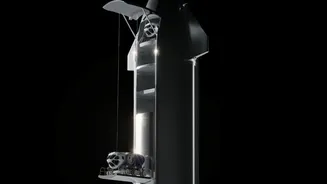

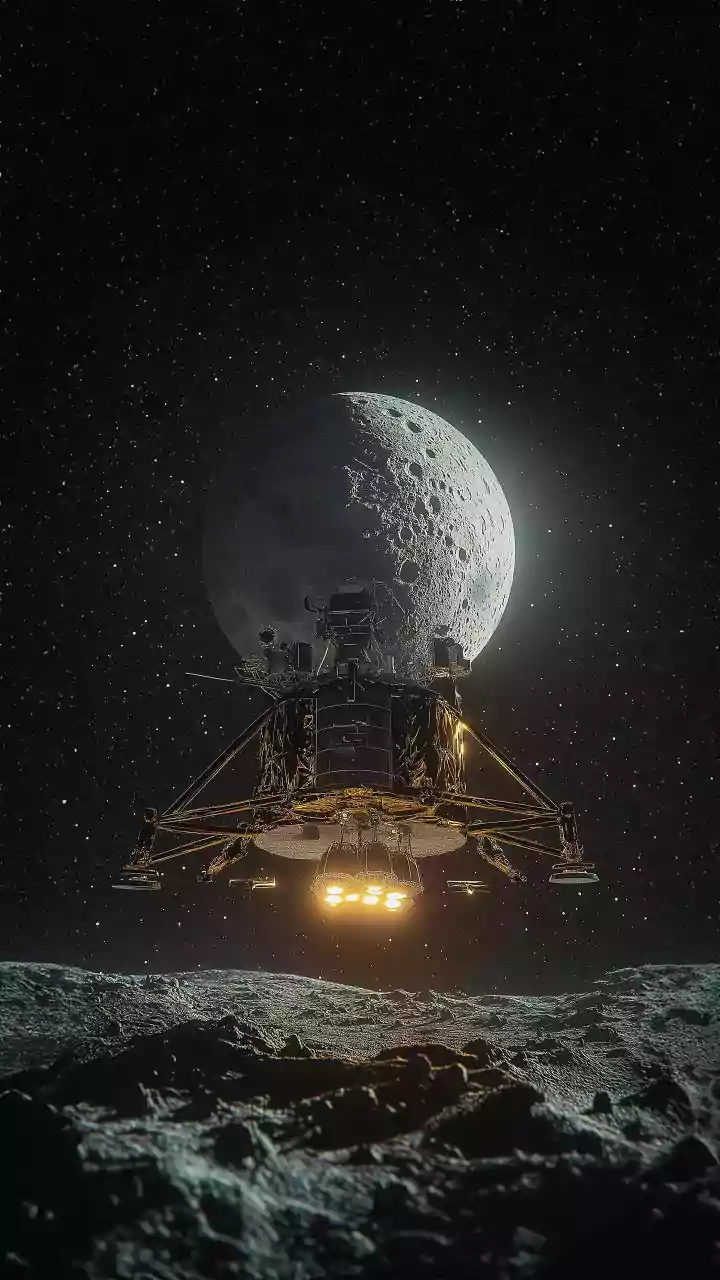


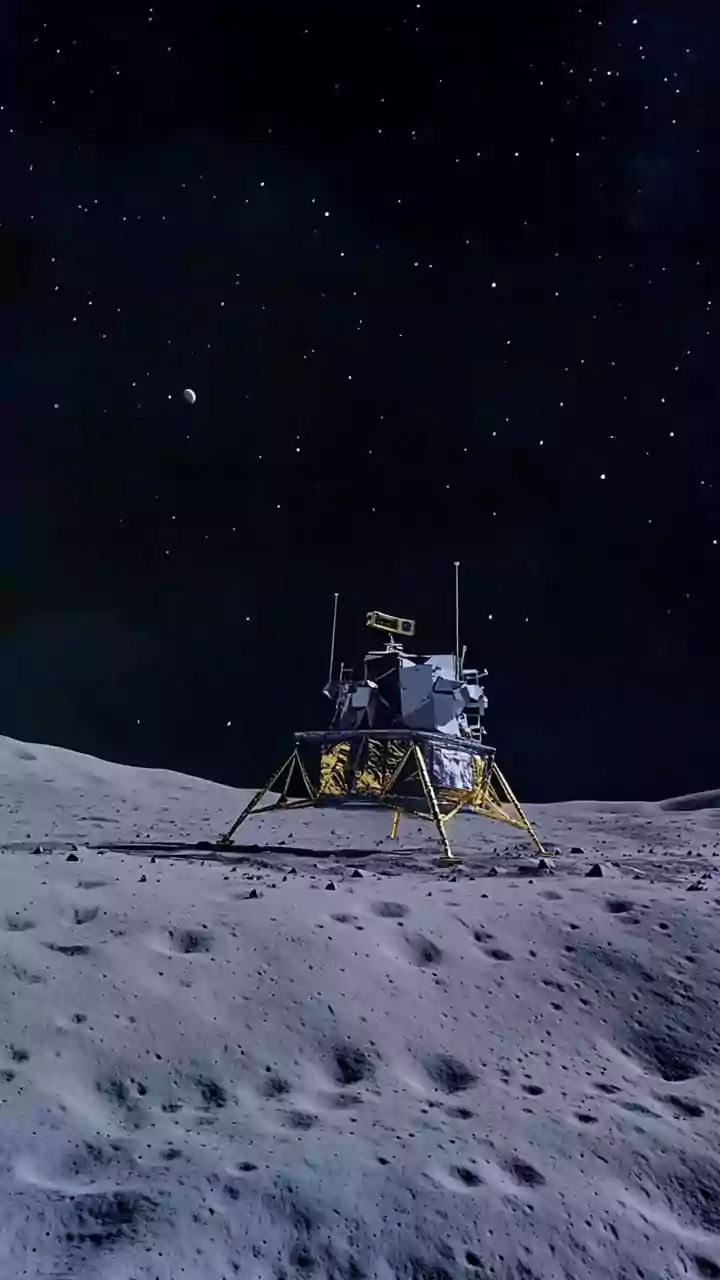
The dream of a human city on the Moon is closer than ever, but it won’t appear overnight. NASA's Artemis program is taking a 'learn-as-you-go' approach, favouring a careful, step-by-step process over a rush to build a sprawling lunar base.
A Phased, Pragmatic Approach
Instead of launching
a single, massive construction project, NASA has detailed a multi-phase strategy to build what it calls the Artemis Base Camp. This incremental plan prioritises learning, risk reduction, and testing technologies in the harsh lunar environment before committing to permanent structures. The core idea is to treat each mission as a building block, gradually establishing the infrastructure needed for a sustained human presence. The initial phase, running until roughly 2029, is focused on experimentation. This involves a rapid cadence of robotic and commercial payload missions to scout the lunar south pole, test new systems, and better understand the challenges of operating on the Moon.
The Foundational Pillars
Before astronauts can live on the Moon for extended periods, they need fundamental infrastructure. NASA's plan focuses on three core elements for the initial base camp: a surface habitat, a vehicle for transport, and a mobile home for longer journeys. The first pillar is the Foundation Surface Habitat, a pressurised cabin where up to four astronauts can live for short stays. The second is the Lunar Terrain Vehicle (LTV), an unpressurised rover designed to transport two suited astronauts on scientific excursions around the base. The third is a pressurised 'habitable mobility platform'—essentially a high-tech camper van that would allow two astronauts to make long-duration trips of several weeks away from the main habitat, dramatically expanding their exploration range.
Powering a Lunar Outpost
One of the greatest challenges is power. The lunar south pole is targeted for the base camp partly because some crater rims receive near-constant sunlight, ideal for solar power. However, the long, frigid lunar nights, which last for 14 Earth days, make a consistent power supply difficult. Early missions will rely on advanced solar panels and batteries capable of surviving the extreme cold and darkness. For the long term, however, NASA is developing a nuclear fission surface power system. This type of generator could provide a steady 10 kilowatts of power, regardless of sunlight, which is crucial for sustaining a permanent, functioning base and enabling longer missions.
Why Not Build It All at Once?
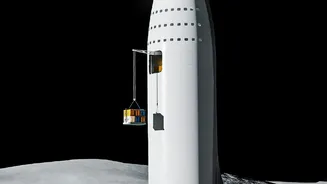
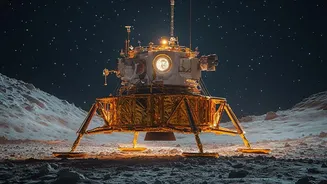
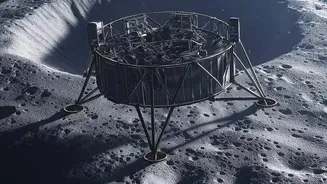
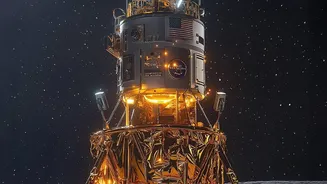
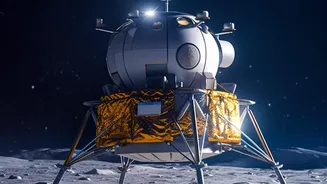
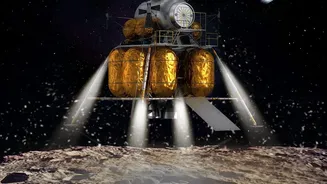
The gradual approach is a direct lesson from the complexities of space exploration. Every component, from habitats to rovers, must be incredibly robust to handle extreme temperatures, radiation, and abrasive lunar dust. Building incrementally allows NASA and its commercial partners, like SpaceX and Blue Origin, to test systems, make adjustments, and develop a 'muscle memory' for lunar operations. A key part of this is the Commercial Lunar Payload Services (CLPS) program, which uses commercial landers to deliver scientific instruments and technology demonstrations to the surface, laying the groundwork before astronauts arrive. This strategy also shifts focus and resources from the once-planned Gateway space station in lunar orbit directly to surface operations, accelerating the path to having boots and, eventually, buildings on the dust.
The Road to a Permanent Home
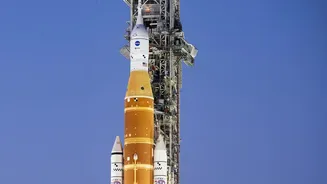
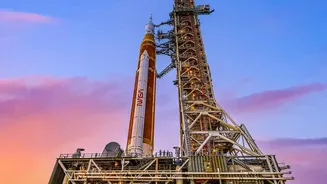
The second phase of the plan, projected to start around 2029, will focus on establishing early infrastructure, including improved power stations and logistics. The goal is to deliver around 60,000 kilograms of cargo to the surface to begin shaping a more functional base. The third phase, beginning in 2032, is aimed at achieving a semi-permanent crew presence. This involves deploying larger habitation modules, a fully operational fission power station, and advanced logistics networks. While the first crewed landing of the Artemis era is slated for 2028, these subsequent steps show that the ultimate goal is not just to visit, but to stay. The Artemis Base Camp is envisioned not just as a scientific outpost but as a crucial proving ground for the next giant leap: sending humans to Mars.