




What Exactly Is a Ginger Compress?
A ginger compress is a form of topical heat therapy where a towel is soaked in hot, ginger-infused water and applied to the skin. This practice is used in various holistic traditions to help stimulate circulation, relieve muscle tension, and soothe aches
and pains. The combination of heat from the water and the active compounds in ginger, like gingerol, work together to create a penetrating warmth that many find deeply relaxing and beneficial for conditions such as back pain, joint stiffness, and menstrual cramps.
Gathering Your Simple Supplies
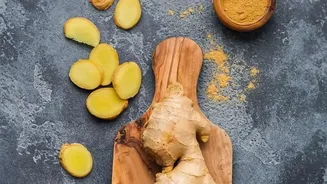
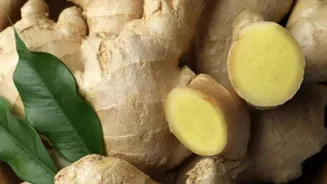
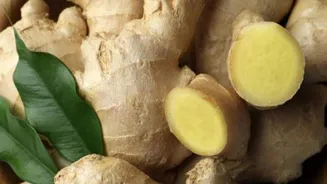
You don’t need much to get started, and you likely have everything in your kitchen already. The most important ingredient is fresh ginger root, as powder does not have the same properties. You will need: a large knob of fresh ginger (about the size of a golf ball), a grater, a large pot with about two litres of water, a square of cheesecloth or a thin cotton bag, two small-to-medium cotton towels, and one larger, dry bath towel. Using filtered water is recommended but not essential. Some people also like to have rubber gloves to handle the hot, wet towel.
Preparing the Ginger Infusion
First, grate your fresh ginger root. Place the grated ginger into your cheesecloth or cotton bag and tie it securely. Bring your pot of water to a boil, then reduce the heat to a low simmer—you want it hot, but not bubbling aggressively. Drop the ginger pouch into the simmering water and let it steep for at least 5 to 10 minutes. The water should turn a pale yellow and become very fragrant. Keeping the water at a steady, low simmer (ideally around 70-80°C) is crucial for maintaining a consistent temperature for your compress.
The All-Important Temperature Test
This is the most critical step to ensure safety and comfort. Before applying the compress to the target area, you must test its temperature. Dip one of your smaller towels into the hot ginger water, holding the ends to keep them dry. Carefully wring out the excess liquid until the towel is damp but not dripping. Unfurl the towel and gently press it against a sensitive part of your own skin, like the inside of your wrist or forearm, for five seconds. It should feel very warm and pleasant, but it should not sting or cause you to pull away. If it feels uncomfortably hot, let it cool for a few moments by shaking it gently before re-testing.
Application and Maintaining Warmth
Once you've confirmed a safe temperature, place the warm, damp towel on the desired area, such as the lower back or a sore shoulder. Immediately cover the wet towel with a larger, dry towel to insulate it and hold in the heat. The compress will begin to cool after about 5 to 10 minutes. This is where your second small towel comes in. As the first one cools, dip the second towel into the pot of simmering ginger water, wring it out, and test the temperature again. Swap the cool towel for the freshly warmed one. Repeating this process for 15-20 minutes allows for a continuous, soothing application of warmth without letting the area get cold.
Safety First: When to Be Cautious
While generally safe, ginger compresses are not for every situation. Avoid using a hot compress on areas with broken skin, rashes, or acute inflammation from a very recent injury. It's also advised to avoid this treatment if you have a high fever. Special caution should be used for children, the elderly, or anyone with reduced skin sensitivity. Never apply a compress over the head, and consult a physician before using this therapy if you are pregnant or have a serious health condition like cancer. If at any point the compress feels like it's burning, remove it immediately.