



The Viral 'Natural Botox' Claim
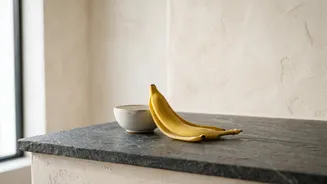
On platforms like TikTok, users are rubbing the inside of a banana peel on their faces, claiming it reduces wrinkles, fades dark circles, and tightens the skin. Often dubbed “nature’s Botox,” the trend appeals to those seeking affordable, natural alternatives
to expensive cosmetic treatments and products. The videos show people applying the peel directly to their skin, sometimes leaving it on as a mask or mixing its fibrous pulp with moisturiser. The logic seems simple: bananas are full of nutrients, so the peel must be a superfood for your face. But is it really that straightforward?
The Science: What's Really in a Peel?
Banana peels do contain some beneficial compounds. They are rich in antioxidants, including vitamins and polyphenols, and also have tannins, which are natural astringents that can provide a temporary tightening feeling. Some dermatologists note that these components are why bananas are sometimes used in lab-formulated skincare products. However, there’s a major catch: the concentration of these nutrients is relatively low, and more importantly, your skin is a barrier. Simply rubbing a raw peel on your face is not an effective way for your skin to absorb these nutrients and see any meaningful, lasting benefits.
Expert Verdict: Does It Actually Work?
The overwhelming consensus from dermatologists is that there is no scientific evidence to support the claim that banana peels can reduce wrinkles or act like Botox. The comparison to Botox is particularly misleading. Botox is a neuromodulator that is injected to relax the underlying muscles that cause dynamic wrinkles. A banana peel sits on the skin's surface and cannot penetrate deeply enough to have any effect on muscles. Any immediate tightening or smoothing effect is likely temporary and superficial. It could be due to the astringent tannins or the simple act of the peel drying on your skin, which creates a fleeting feeling of tautness. Some experts also suggest that leaving the peel on the skin might temporarily seal in moisture, which can make skin look better for a short time.
The Hidden Risks of DIY Skincare
While rubbing a banana peel on your skin is considered low-risk for most, it’s not entirely without potential downsides. For those with a banana allergy, which can be linked to latex allergies, applying it to the skin could cause an allergic reaction. Another concern is what else might be on that peel. Unwashed banana peels can carry pesticides, bacteria, and other contaminants that you may be rubbing directly onto your face, potentially leading to irritation or breakouts. Moreover, some find the tannins in the peel can be drying. Ultimately, natural does not always mean it's safe or effective for everyone.
The Golden Rule: How to Patch Test
This trend highlights the importance of a crucial, often-skipped step: patch testing. Before putting any new product or homemade concoction on your face, you should test it first. The American Academy of Dermatology recommends applying a small, quarter-sized amount of the product to a discreet spot, like the bend of your elbow or inner forearm. Do this twice daily for 7 to 10 days. If you notice any redness, itching, swelling, or other irritation during this period, wash the product off immediately and do not use it on your face. A reaction may not be immediate, which is why testing for several days is key to identifying potential sensitivities.
Back to Basics: What Really Works
Instead of chasing viral fads, dermatologists recommend focusing on a consistent, proven skincare routine. A simple and effective regimen doesn't require a dozen steps. It comes down to three core pillars for healthy skin: a gentle cleanser, a suitable moisturiser, and a broad-spectrum sunscreen with at least SPF 30 for daytime protection. These three steps cleanse, hydrate, and protect your skin, forming the foundation of skin health. Once you have this base, you can consider adding a targeted treatment, like a serum with evidence-backed ingredients such as Vitamin C or retinol, to address specific concerns like fine lines or uneven skin tone.