



Not All Cinnamon Is Created Equal
Most people are surprised to learn that the vast majority of what is sold globally as cinnamon is not the “true” variety. There are two main players in the cinnamon world: Ceylon and Cassia. While they are related, they come from different trees and have
significant differences in flavour, appearance, and chemical composition. The cinnamon commonly found in supermarkets is almost always Cassia, as it is cheaper to produce and has a stronger, more intense flavour. Ceylon cinnamon, on the other hand, is considered the premium, or “true,” variety.
The Species Showdown: Ceylon vs. Cassia
Ceylon cinnamon (Cinnamomum verum) is native to Sri Lanka and parts of southern India. It is known for its delicate, nuanced, and mildly sweet flavour with subtle citrusy notes, making it ideal for desserts and dishes where you don't want the spice to be overpowering. Cassia cinnamon comes from several different species, most commonly Cinnamomum cassia (from China), Cinnamomum burmannii (from Indonesia), and Cinnamomum loureiroi (from Vietnam). These varieties are characterised by a bold, spicy, and pungent flavour. If your spice jar simply says “cinnamon,” it is almost certainly one of the Cassia varieties.
The Quill Question: Structure and Appearance
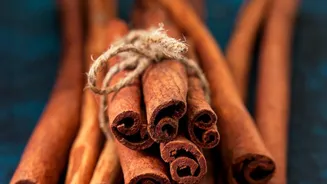
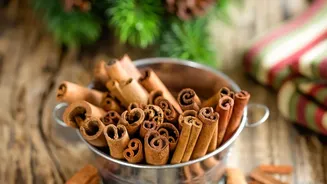
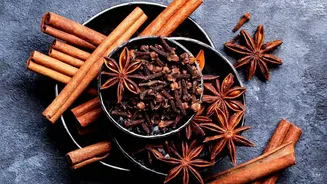
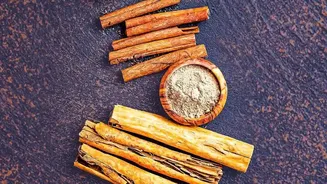
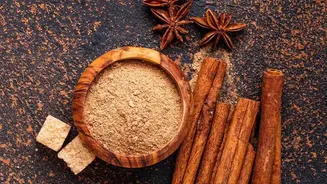
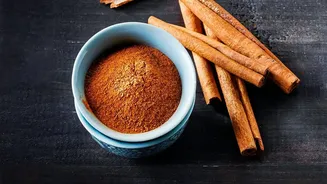
The most reliable way to tell the two apart, especially when buying whole sticks, is by looking at the quill structure. A Ceylon cinnamon stick, or quill, is composed of many thin, fragile layers of bark that have been rolled together, resembling a tightly packed cigar. These quills are light tan or golden-brown and are so soft and brittle that you can easily crumble them with your fingers. Cassia, by contrast, is a single, thick layer of bark that curls inward from both sides, forming a hollow scroll. The bark is tough, woody, reddish-brown, and much harder to break. This difference in structure is because Ceylon uses only the delicate inner bark, while Cassia uses the thicker, hardier outer bark.
The Health Factor: Why It Matters
Beyond taste and texture, there's a significant health consideration: a compound called coumarin. Coumarin is a natural flavouring substance that, in high doses, can be harmful to the liver. Cassia cinnamon contains high levels of coumarin, with some varieties containing up to 250 times more than Ceylon. While occasional use is generally safe for most people, regular or heavy consumption of Cassia cinnamon could lead you to exceed the tolerable daily intake for coumarin. Ceylon cinnamon contains only negligible or trace amounts of coumarin, making it the safer choice for daily use or for those who consume large quantities of the spice.
Your Guide at the Grocery Store
Now that you know the difference, how do you ensure you're buying the right one? First, read the label carefully. Look for the words “Ceylon” or the scientific name “Cinnamomum verum”. If it just says “cinnamon,” assume it's Cassia. Second, check the country of origin. True Ceylon cinnamon primarily comes from Sri Lanka. If you're buying sticks, use your eyes. Look for the multi-layered, cigar-like structure of Ceylon, not the thick, hollow scroll of Cassia. Finally, consider the price. Ceylon is more labour-intensive to harvest and is thus more expensive than the cheaper and more widespread Cassia.