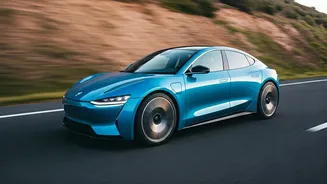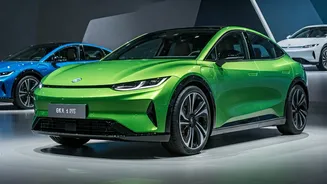

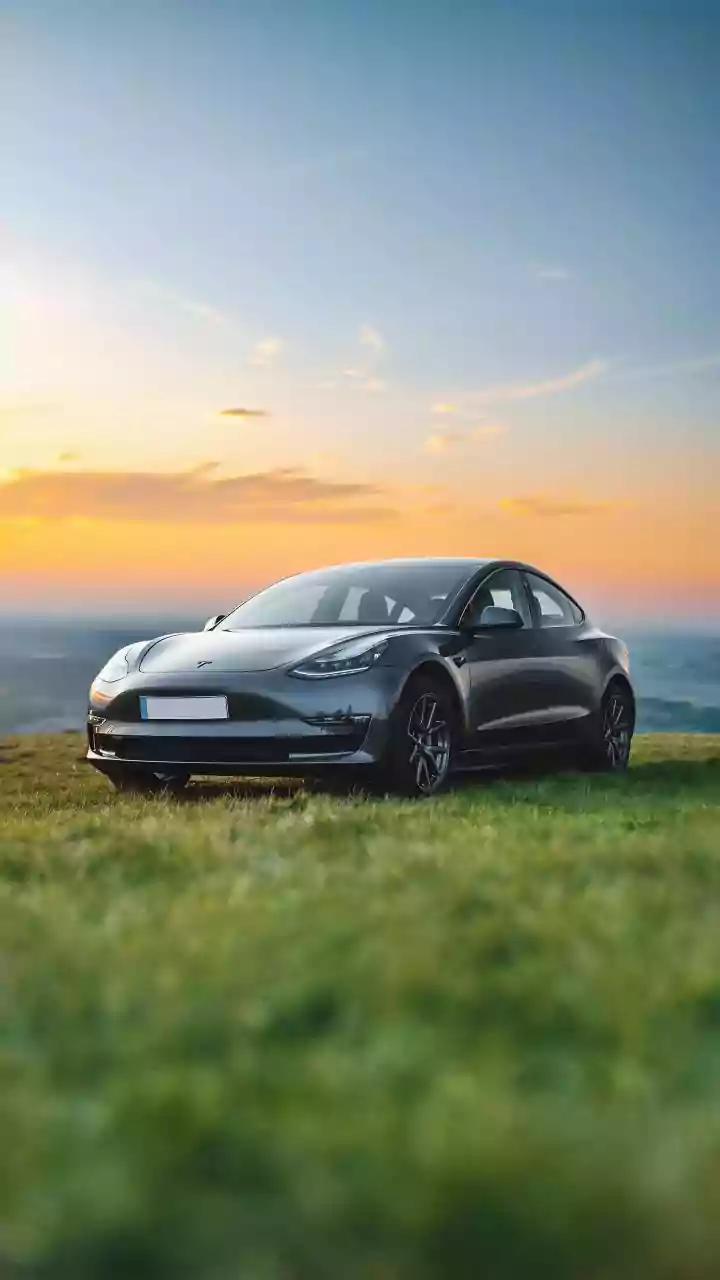
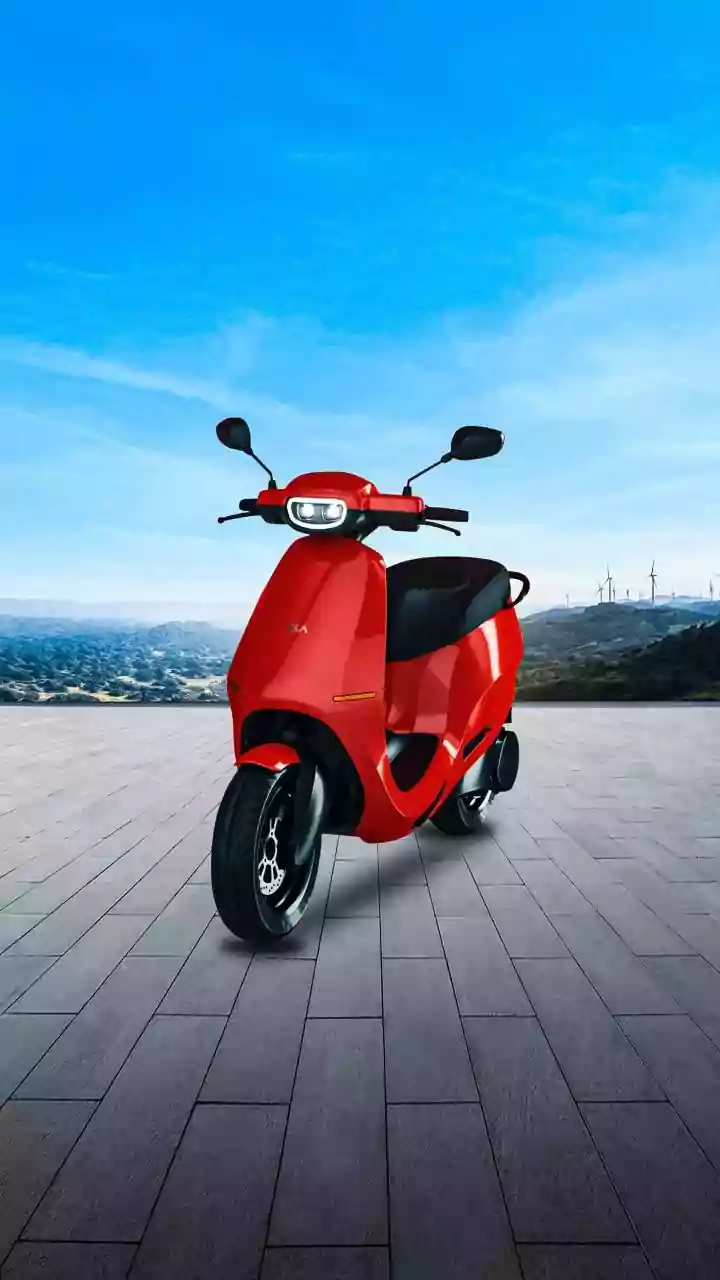




The Tipping Point for Electric Adoption
Several factors are creating a perfect storm for EV adoption in India. Persistent hikes in petrol and diesel prices have made the lower running costs of EVs incredibly attractive to cost-conscious consumers. This financial appeal is strengthened by government
initiatives like the FAME II scheme and various state-level subsidies that reduce the upfront cost of purchase. Simultaneously, growing consumer awareness around urban air pollution and climate change has made electric mobility a more conscious choice for many. Automakers have responded to this growing interest by significantly expanding their offerings, giving buyers more choice than ever before. Monthly EV sales volumes are now averaging around 27,000 to 28,000 units, a sharp increase from previous years, indicating that the market has moved beyond early adopters into the mainstream.
The Mass-Market Boom Below ₹15 Lakh
The real volume in India's EV story is being driven by the affordable segment. Tata Motors has firmly established its dominance here, with models like the Tiago EV and Punch EV making electric mobility accessible to a much broader audience. These vehicles have successfully tapped into the largest part of the Indian car market, where affordability is a key decision driver. The strategy has been so effective that the sub-₹15 lakh segment is expected to see a significant number of new launches, intensifying competition. This focus on the entry-level is crucial; as one industry leader noted, unless the mass market is cracked, EVs will not become truly mainstream in India. Recent data shows a massive surge in bookings for these more economical models, especially when fuel prices spike.
A Crowded and Competitive Mid-Range
The space between ₹15 lakh and ₹30 lakh has become the new battleground for EV manufacturers. This is where consumer expectations move beyond just cost savings to include better range, more features, and stronger performance. This "middle-income phenomenon" is where affordability and aspirations meet. Players like MG Motor, Mahindra & Mahindra, and Hyundai have populated this segment with popular SUV models, directly competing with established petrol and diesel bestsellers. The growth in this segment has been dramatic, with its market share surging in the last fiscal year. Improved battery technology means mid-range models now offer a practical driving range of 300-450 km, significantly reducing the 'range anxiety' that was once a major barrier for buyers.
Luxury Brands Go Electric
The shift to electric is just as pronounced at the premium end of the market. Luxury carmakers like BMW, Mercedes-Benz, and Audi are aggressively expanding their electric portfolios in India. In fiscal year 2026, the luxury EV segment saw a remarkable 61% jump in sales, proving that affluent buyers are enthusiastically embracing EV technology. BMW, in particular, has captured a commanding share of this niche market. For these customers, the appeal lies in the silent, powerful performance, advanced technology, and the status of owning a top-of-the-line green vehicle. While the sales volumes are naturally lower than in mass-market segments, the strong growth indicates rising consumer confidence in EV technology even at the highest price points.
The Road Ahead: More Choice and Lingering Challenges
The diversification of India's EV market is set to continue. Dozens of new models are slated for launch in the coming years, including the first electric offerings from giants like Maruti Suzuki and new models from Kia, Hyundai, and a host of others. This will further intensify competition across all price points. However, challenges remain. While improving, public charging infrastructure is still seen as inadequate by many potential buyers. The higher initial purchase price compared to an equivalent internal combustion engine (ICE) vehicle also remains a barrier, though the gap is narrowing. Despite these hurdles, the trend is clear: the Indian consumer now has a viable electric option, whether they are looking for a small city car, a family SUV, or a high-performance luxury vehicle.