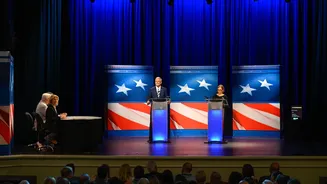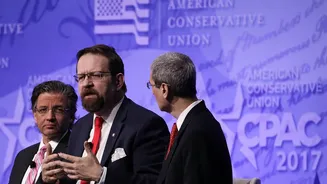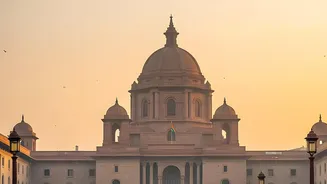




The dust has settled on the 2026 US midterm elections, delivering a stunning victory for the Democratic party. For observers in New Delhi, the focus now shifts to Washington's new political map and what it signals for India's economic future.
A 'Blue Wave' Reshapes Washington
In a significant
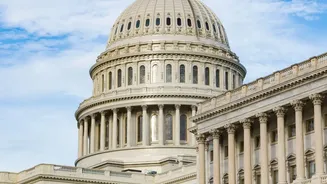
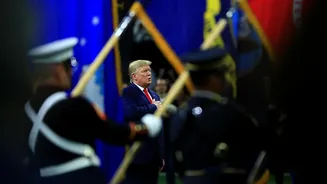
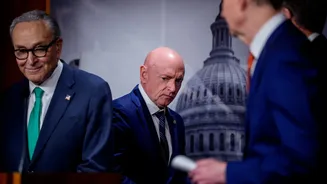
rebuke to President Donald Trump, the Democratic party has won control of both chambers of the US Congress. As of the latest counts, Democrats have secured majorities in the House of Representatives and the Senate, flipping several seats in states previously considered Republican strongholds. This 'blue wave' fundamentally alters the balance of power in Washington for the remaining two years of the Trump presidency. With Democrats now leading key committees, they will have greater powers of oversight, control over federal spending, and the ability to scrutinise the administration's policy agenda, both domestic and foreign. While the President retains significant executive authority, particularly in foreign policy, this new congressional alignment introduces a fresh layer of complexity and potential friction.
The Enduring Bipartisan Consensus
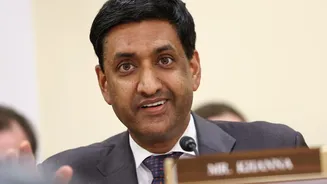
Despite the political turbulence, the core of the India-US strategic partnership is expected to remain firm. For over two decades, the relationship has been built on a strong bipartisan consensus that transcends electoral cycles. This alignment is anchored in shared democratic values and, critically, a mutual strategic interest in ensuring a free and open Indo-Pacific to counterbalance China's growing assertiveness. Key pillars of cooperation, such as defence ties and collaboration on critical and emerging technologies through initiatives like the Quad, are likely to continue their upward trajectory. Indian-American lawmakers like Ami Bera, who won re-election and is a key member of the Congressional Caucus on India, continue to champion stronger ties, ensuring a base of support within the new Congress.
New Dynamics in Trade Negotiations
The most immediate impact of the midterms will be felt in trade negotiations. For months, India and the US have been trying to finalize a trade deal, with progress hampered by disagreements over tariffs and market access. The new Democratic-led Congress introduces a complicated dynamic. On one hand, some analysts believe a politically weakened President Trump may be eager for a foreign policy 'win' and could increase pressure on India to close a deal quickly, potentially by threatening new tariffs through his executive powers. On the other hand, the new Congress is expected to increase scrutiny of any trade agreements, possibly demanding stronger provisions on labour and environmental standards. This could give Indian negotiators more room to push back against unfavourable terms, but it could also slow down the process. Officials in New Delhi are cautiously optimistic, seeing an opportunity for some relief from unilateral tariff threats while preparing for more detailed legislative oversight.
Key Economic Areas to Watch
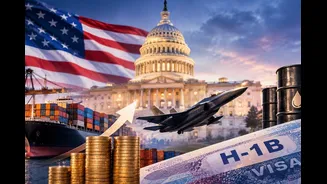
Beyond a bilateral trade deal, several other economic areas will be under the spotlight. Immigration policy, particularly concerning H-1B visas widely used by Indian IT professionals, has been a major point of concern. A Democratic-led Congress may provide a check against the Trump administration's more restrictive immigration policies, offering potential relief for Indian professionals and students. Another key area is the Indo-Pacific Economic Framework (IPEF), a US-led initiative to deepen economic engagement on supply chains, clean energy, and fair trade practices. India has selectively joined pillars of the IPEF but opted out of the trade pillar. The new Congress's priorities, particularly on clean energy and resilient supply chains, could either accelerate or reshape cooperation within this framework. However, with President Trump having previously withdrawn the US from the IPEF in 2025, its future remains uncertain, though many of its core agreements on supply chains and clean economy have been ratified and entered into force.