




The Dangers in Monsoon Puddles
The familiar sight of waterlogged streets during monsoon isn't just an inconvenience; it's a public health concern. These puddles are often a cocktail of rainwater mixed with overflow from drains, sewage, and animal waste. This creates a perfect breeding
ground for a host of dangerous microorganisms. Bacteria like Salmonella, E. coli, and Vibrio cholerae (which causes cholera), along with viruses that cause hepatitis A and gastroenteritis, thrive in these conditions. When vegetables are kept uncovered on the ground near these puddles, they are directly exposed to this contamination. Every splash from a passing vehicle or even the aerosolized mist from the puddle can coat your greens with these invisible threats.
How Contamination Reaches Your Plate
The journey from a contaminated puddle to your kitchen is alarmingly short. Uncovered vegetables, especially leafy greens with their large surface area, can easily trap dirty water. This moisture, combined with the monsoon's high humidity, accelerates the growth of bacteria and fungi on the produce itself. Even if a vegetable looks clean, it can harbour millions of pathogens. These germs are not just on the surface; they can be absorbed if the vegetable has any cuts or bruises. Without proper and thorough cleaning, these contaminants can lead to serious foodborne illnesses that peak during the rainy season.
Common Monsoon Illnesses to Watch For
Consuming contaminated vegetables can lead to a range of unpleasant and sometimes severe illnesses. Gastroenteritis, often called 'stomach flu', is one of the most common, causing diarrhoea, vomiting, and abdominal cramps. More serious waterborne diseases like typhoid and cholera, which can be life-threatening if not treated promptly, also see a spike during this season. Symptoms to watch for include high fever, headache, weakness, and severe diarrhoea. Jaundice, caused by the Hepatitis A virus, is another major risk from contaminated food and water, leading to liver inflammation. These conditions underscore the importance of being extremely cautious with food sources during the rains.
Your Smart Shopping Checklist
You can significantly reduce your risk by being a discerning shopper. First, always try to buy vegetables from vendors who maintain good hygiene. Look for produce that is displayed on a raised platform or table, well away from the ground and any standing water. Whenever possible, choose vendors who keep their vegetables covered. Inspect the produce carefully; avoid anything that looks bruised, slimy, or has visible signs of decay, as these are more susceptible to contamination. It is also wise to avoid pre-cut vegetables, as the cut surfaces are prime spots for bacterial growth, especially in humid weather.
The Right Way to Wash Your Greens
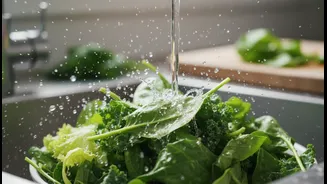
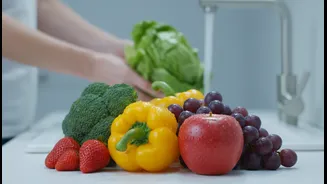
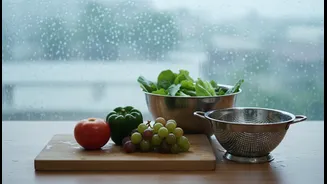
Once you bring vegetables home, cleaning them properly is your most critical line of defence. Do not just give them a quick rinse. Wash your hands thoroughly with soap before and after handling produce. For most vegetables, scrub them gently under cool, running potable water. For leafy greens like spinach and cabbage, it is best to separate the leaves and wash them individually. A helpful technique is to soak vegetables for 15-20 minutes in a bowl of water with a bit of salt or a splash of white vinegar; this can help kill bacteria and dislodge fine dirt. Afterward, rinse them again under running water. For vegetables with thick skins like gourds, a vegetable brush can be used for a more thorough clean. Always dry produce with a clean cloth or paper towel before storing or cutting.