






The Bathing Question: Myth vs. Reality
For generations, many have believed that bathing during a fever can make the illness worse, perhaps by causing a chill that deepens the sickness. However, modern medical advice says otherwise. Taking a bath during a fever is generally safe and can even
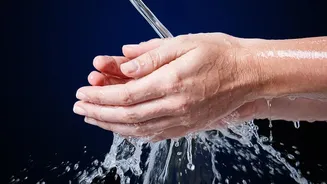
be beneficial for comfort and hygiene, provided it is done correctly. The key is not if you should bathe, but how. The goal is to make the person feel more comfortable, not to aggressively bring the temperature down with water. A bath helps remove sweat and bacteria, keeping the skin clean and making the person feel refreshed, which can be a significant comfort when ill.
The Right Way to Bathe During a Fever
The most critical rule is to use lukewarm, or tepid, water—around 29-35°C. Water that is too cold is counterproductive. A cold bath or sponging can feel like a shock to the system, causing shivering. This shivering is the body's attempt to generate heat, which can actually drive the core temperature higher. Similarly, a hot bath should be avoided as it can interfere with the body's ability to cool itself and may lead to dehydration or dizziness. A short, gentle bath or sponge-down with lukewarm water for about 15-20 minutes is the recommended approach. This helps cool the body gradually through evaporation without triggering a negative response.
Beyond the Bath: Modern Fever Management
Fever itself is not an illness but a sign that the body's immune system is fighting an infection. The primary goal of home care is to improve comfort. Over-the-counter medications like paracetamol or ibuprofen are effective at reducing fever and alleviating discomfort. However, it's crucial to follow dosage instructions carefully and avoid alternating between the two unless advised by a doctor, to prevent accidental overdose. Fevers only need to be treated if they are causing discomfort, which often happens at temperatures above 102°F (39°C). A low-grade fever can be left alone, as it's part of the body's natural defence mechanism.
The Pillars of Recovery: Hydration and Rest
While medication can manage symptoms, hydration and rest are the true pillars of recovery. Fever increases fluid loss through sweating, so replenishing those fluids is essential to prevent dehydration. Aim to drink plenty of water, clear broths, or an oral rehydration solution (ORS). Solid food is less important than liquids, especially if appetite is low. Equally important is rest. The body needs energy to fight off whatever infection is causing the fever. Encourage light, breathable clothing and keep the room at a comfortable temperature to help the body regulate its temperature naturally.
Debunking Common Fever Myths
Several misconceptions cause unnecessary anxiety around fevers. One is that a high fever will cause brain damage; this is extremely rare and only occurs at temperatures above 108°F (42°C), which are not typical for infections. Another myth is that an untreated fever will keep rising indefinitely; the brain has a natural thermostat that usually caps fevers from infection around 103-104°F (39.4-40°C). Finally, the height of a fever does not necessarily indicate the severity of the illness. How a person looks and acts is a far better indicator of their condition than the number on the thermometer.
When to Call a Doctor
While most fevers resolve on their own, certain signs warrant medical attention. For an adult, you should consult a doctor if a fever lasts for more than three days, or if it reaches 103°F (39.4°C) or higher. Other red flags include a severe headache, a rash, difficulty breathing, confusion, persistent vomiting, or a stiff neck. For infants under three months old, any fever should be evaluated by a doctor immediately. In older children, seek medical advice if a fever lasts more than a few days, is unusually high, or if the child seems particularly unwell, lethargic, or refuses to drink fluids.