






A Trifecta of Challenges
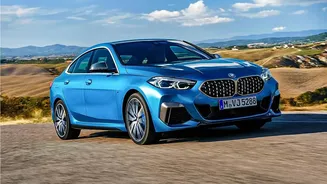
German luxury carmaker BMW has confirmed it will reduce its global workforce by approximately 8,000 positions by the end of 2027. This move is not a sign of a company in crisis but rather a strategic response to a trio of powerful forces reshaping the automotive
world. The primary drivers include the costly industry-wide shift to electric vehicles (EVs), intensifying competition from new players, particularly from China, and a sharp downturn in sales in the crucial Chinese market. In a memo to staff, new CEO Milan Nedeljković stated that the fundamental rules of the industry have changed, requiring a new approach to the company's business model. These job reductions are part of a broader cost-cutting effort as the company navigates slimmer profit margins on EVs and geopolitical uncertainties like US tariffs.
Who Is Affected?
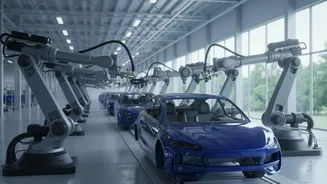
The workforce reduction will be managed primarily through a voluntary redundancy program, mainly targeting employees in Germany. The company has specified that the cuts will focus on white-collar roles in administration, development, and planning divisions. Crucially, factory and production line workers are excluded from the programme, signaling BMW's commitment to maintaining its manufacturing output as it retools plants for its next generation of EVs, dubbed the 'Neue Klasse'. The plan, negotiated with the employee works council, will see offers extended to around 40,000 of BMW's 85,000 permanent staff in Germany, with the voluntary departures scheduled to begin in October 2026.
A Pivot, Not Just a Cut
While the headline focuses on job losses, the underlying story is one of transformation and reallocation. The automotive industry's value is shifting rapidly from mechanical engineering to software and electronics. In the same week as the job cut announcement, BMW revealed a decade-long partnership with US tech giant Qualcomm. Qualcomm will now be the single supplier for the advanced silicon chips that will power both the digital cockpit and the automated driving systems in future BMWs. This move highlights a strategic pivot: reducing in-house roles tied to legacy combustion engine technology while investing heavily in partnerships and new talent for software, battery technology, and autonomous systems. The company is essentially rebalancing its workforce for a future where cars are increasingly defined by their software, not just their engines.
An Industry-Wide Transformation
BMW is not alone. Its German rivals are facing the exact same pressures and making similar moves. Volkswagen is reportedly considering an overhaul that could see job cuts numbering in the tens of thousands, while Mercedes-Benz has also implemented voluntary redundancy programs. Porsche, part of the VW group, also plans to reduce its workforce significantly by 2035. This collective shift underscores a monumental challenge for Germany's powerhouse automotive sector, which has long been the backbone of its industrial might. The German Association of the Automotive Industry (VDA) estimates that hundreds of thousands of jobs could be lost in the sector by 2035 as a result of this transition.