





The Gentle Flow of Tai Chi
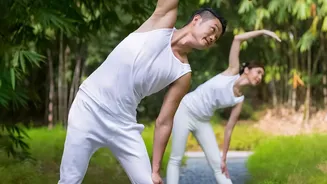
Tai Chi is often described as 'meditation in motion', and its approach to flexibility is gradual and holistic. The practice involves a series of slow, deliberate, and continuous movements that take the body’s joints through their full range of motion.
This dynamic form of stretching promotes suppleness throughout the entire body. A key aspect of Tai Chi is its focus on fluidity, which helps to release chronic muscle tension and lubricate joints. Practitioners learn to move from their centre, with an emphasis on posture and alignment, which can correct imbalances that lead to stiffness in the hips, shoulders, and spine. Studies show that regular practice significantly improves flexibility in these key areas, making it an excellent choice for anyone seeking to gently increase their overall mobility without high impact or strain.
Kayaking's Dynamic Core Demands
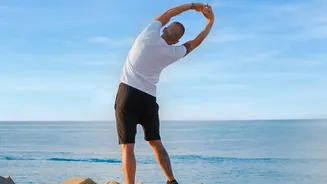
Kayaking, by contrast, is a powerful, energetic activity where flexibility is crucial for performance and injury prevention. While it's a full-body workout, the primary flexibility demands are concentrated in the upper body and core. The most critical movement is thoracic rotation—the ability to twist through the mid-back. This rotation is the engine of an efficient paddle stroke, transferring power from the large core muscles to the paddle and taking strain off the smaller arm and shoulder muscles. Without adequate thoracic mobility, paddlers often compensate with their arms, leading to fatigue and potential shoulder injuries. Furthermore, flexibility in the hamstrings and hip flexors is essential for maintaining a comfortable and powerful seated position over long periods, preventing lower back pain.
Whole-Body Mobility vs. Rotational Power
When comparing the two, the fundamental difference lies in their approach and focus. Tai Chi cultivates global, or whole-body, flexibility. Its slow, controlled motions improve the range of motion in nearly every joint, from the ankles to the neck, enhancing overall body awareness and coordination. It builds what is known as functional flexibility, strengthening stabilizing muscles while simultaneously stretching them. Kayaking demands a more specific, functional flexibility geared toward generating power. The flexibility it requires is concentrated in the torso for rotation and in the shoulders for the reach of the paddle stroke. While a kayaker needs loose hamstrings and hips, the primary need is for dynamic mobility in the upper body to execute thousands of repetitive strokes efficiently.
Complementary Practices for a Balanced Body
Rather than seeing them as mutually exclusive, Tai Chi and kayaking can be viewed as highly complementary activities. A kayaker could benefit immensely from practicing Tai Chi. The full-body flexibility, improved balance, and core stability gained from Tai Chi can directly translate to a more powerful and less injury-prone paddle stroke. Tai Chi’s focus on posture and relaxation could help a kayaker maintain form and reduce tension during long trips. Conversely, a Tai Chi practitioner might enjoy kayaking as a cardiovascular workout that applies their cultivated body awareness in a dynamic, natural setting. Kayaking helps build endurance and upper body strength that supports the controlled movements of Tai Chi. Combining the two creates a well-rounded fitness regimen, addressing holistic mobility with Tai Chi and targeted, powerful flexibility with kayaking.