




Understanding Allemansrätten: The Freedom to Roam
Before lacing up your boots, it’s essential to understand the concept that makes Sweden a hiker’s paradise: Allemansrätten, or The Right of Public Access. This principle, protected by the Swedish constitution, grants everyone the freedom to roam, hike,
camp, cycle, and ski on nearly any land, including privately owned areas. It allows you to pitch a tent for a night, pick wild berries and mushrooms, and experience nature intimately. This freedom comes with a crucial responsibility summarised as 'Don't Disturb, Don't Destroy'. It means respecting nature, wildlife, landowners, and other people. You must stay away from private gardens, houses, and cultivated land, and always take your litter with you. This blend of liberty and responsibility is the heart of the Swedish outdoor experience.
Kungsleden: The King of All Trails
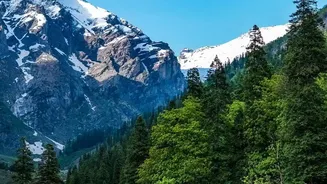
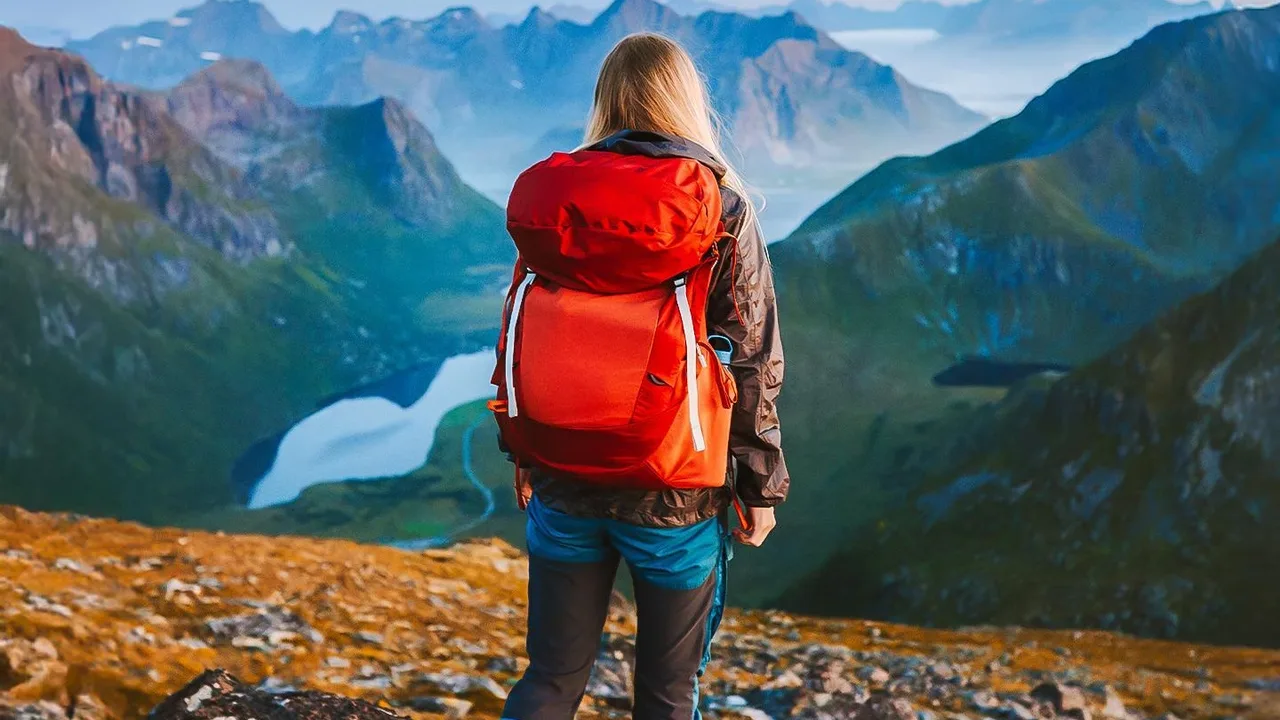
Arguably Sweden's most famous hiking trail, Kungsleden (The King's Trail) is a magnificent 440-kilometre route stretching through the heart of Swedish Lapland, much of it above the Arctic Circle. Established in the early 20th century, it was designed to pass through the most beautiful landscapes the Swedish mountains have to offer. The trail winds through four national parks, including Abisko and Sarek, offering a journey through vast tundra, lush birch forests, and dramatic alpine valleys. While hiking the entire route takes about a month, most visitors tackle shorter, more accessible sections, like the popular week-long trek between Abisko and Nikkaluokta. Along the way, a network of mountain huts run by the Swedish Tourist Association (STF) provides shelter and supplies, making the remote wilderness surprisingly accessible.
Höga Kustenleden: A Coastal UNESCO World Heritage Site
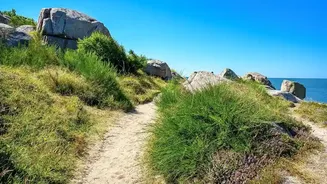
For those who prefer the coast to the high mountains, the Höga Kustenleden (High Coast Trail) offers a truly unique experience. This 135-kilometre trail runs through a UNESCO World Heritage Site, a landscape literally shaped by the last Ice Age. The land here is rising from the sea at a rate of about 8mm per year, a process called post-glacial rebound, creating a dramatic coastline of steep cliffs, rocky islands, and deep forests. The trail is divided into nine sections and showcases a mix of rugged shorelines, sandy beaches, and high viewpoints reaching 250 metres above the sea. It's one of the few places in Sweden where you can hike at such heights so close to the water, offering stunning panoramic views of the Baltic Sea.
Sörmlandsleden: A Green Maze Near Stockholm
At over 1,000 kilometres, Sörmlandsleden is one of Sweden's longest and most extensive trail systems, weaving a complex network through the region of Södermanland, just south of Stockholm. Its sheer length and over 100 sections mean it offers something for everyone, from short, accessible day hikes starting at a city metro station to multi-day wilderness adventures. The trail meanders through a quintessentially Swedish landscape of deep forests, more than 80 sparkling lakes, open countryside, and areas rich with cultural history. This variety makes it a 'Sweden in miniature'. Wind shelters and rest areas are common along the route, and its proximity to major towns makes logistics relatively simple, providing an easy escape into nature.
Planning Your Swedish Hike
The best time for hiking in Sweden is generally from June to September, when the trails are snow-free and the days are long. In the far north, this is the season of the Midnight Sun, an unforgettable experience. Be prepared for changing weather, especially in the mountains, by packing layers, including waterproofs. While tap water is safe to drink, you can often drink directly from mountain streams. For long-distance trails, consider a mix of wild camping under Allemansrätten and staying in the well-maintained system of huts and shelters. Many trails are well-marked, but carrying a map or GPS is always wise. Most importantly, plan your transport, as getting to and from trailheads in remote areas may require booking buses or trains in advance.