




The Essence of Chhath Puja
Chhath Puja is a four-day festival dedicated to the Sun God, Surya, and his sister, Chhathi Maiya. It is a celebration of life, gratitude for nature's gifts, and prayers for well-being, prosperity, and longevity. Unlike many Hindu festivals, it involves
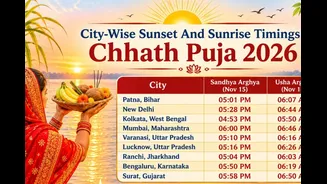
no idol worship; instead, devotees offer prayers directly to the setting and rising sun, a practice that makes it unique. The festival, which in 2026 runs from November 13th to 16th, involves a series of rigorous rituals, including a demanding 36-hour fast without water. The four days are Nahay Khay (ritual bath and a single pure meal), Kharna (a day-long fast broken after sunset), Sandhya Arghya (evening offerings to the setting sun), and Usha Arghya (morning offerings to the rising sun at dawn).
Patna: The Heartbeat of Chhath
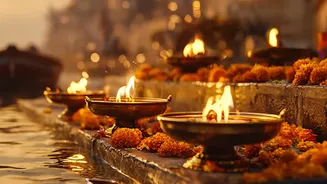
For many, Patna is the undisputed epicentre of Chhath Puja. Here, the festival is not just a household observance but a massive city-wide event for which the administration prepares for weeks. Dozens of ghats along the Ganga are cleaned, decorated, and equipped with lighting, medical posts, and security to accommodate the immense crowds. The scale is breathtaking, creating a 'sea of devotion' as hundreds of thousands gather. The atmosphere is thick with the sound of traditional Chhath songs and the glow of countless diyas, reflecting the deep cultural identity of Bihar.
Experiencing the Patna Ghats
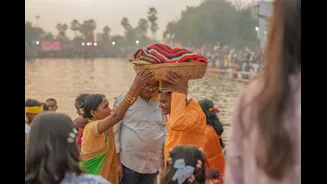
Among the most popular ghats in Patna is Gandhi Ghat, near the NIT campus, which is already famous for its daily Ganga Aarti and becomes a major focal point during the festival. Collectorate Ghat and the expansive stretch at Digha Ghat are also known for accommodating huge numbers of devotees, offering a panoramic view of the rituals. On the evening of Sandhya Arghya, families carry bamboo baskets, or 'soops', filled with fruits, sugarcane, and the traditional sweet 'thekua' to the riverbank. The sight of devotees standing waist-deep in the water, offering their prayers to the setting sun, is a profoundly moving experience.
Varanasi: A Spiritual Confluence
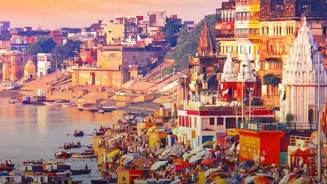
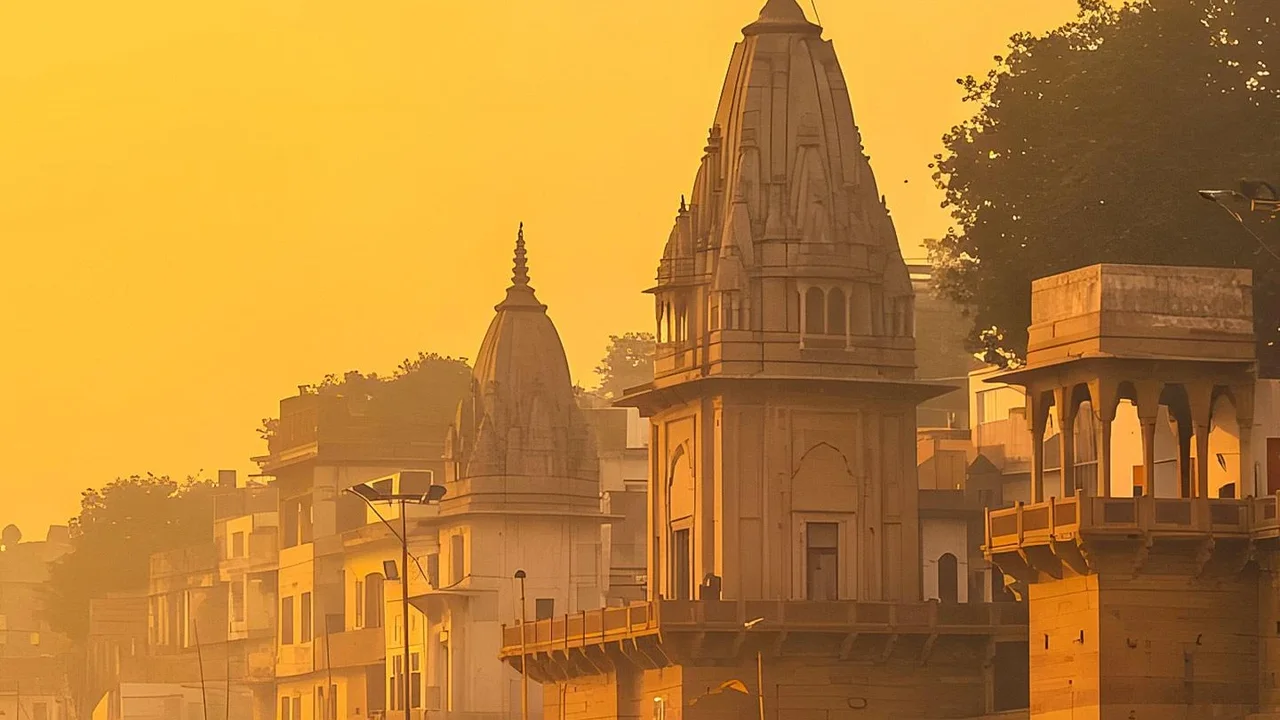
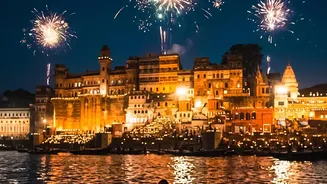
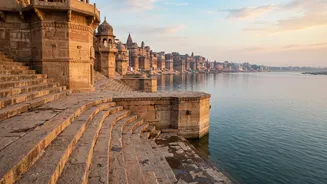
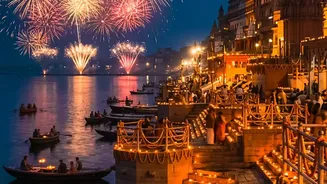
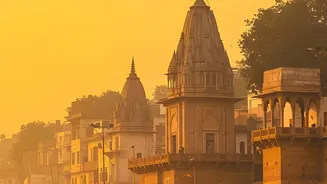
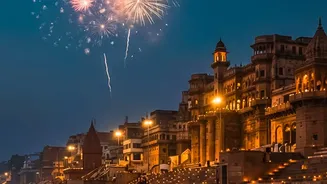
While Patna showcases the sheer scale of Chhath, Varanasi offers a unique blend of devotion against a backdrop of timeless spirituality. The ancient city's 84 ghats, each with its own history, provide a deeply spiritual setting for the festival. Here, the ancient rituals of Chhath merge with the city's eternal connection to the Ganga, creating an atmosphere that is both intense and intimate. Chhath in Varanasi is a household observance carried out in public, where families perform the rites themselves without the need for a priest, making it a very personal and direct form of worship.
The Spectacle on Varanasi's Ghats
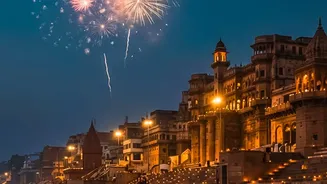
In Varanasi, Assi Ghat is a favourite for those seeking a slightly calmer, family-friendly atmosphere, and it is usually decorated with lights and flowers for the occasion. For a more intense and crowded experience, Dashashwamedh Ghat, the site of the famous daily Ganga Aarti, draws the largest single congregation. The visual is unforgettable: thousands of women in brightly coloured sarees stand motionless in the chilly water, their offering baskets held towards the horizon as they wait for the first rays of dawn during Usha Arghya. The air hums with folk melodies and chants, creating a powerful spiritual energy that defines the Chhath experience in this holy city.