







More Than Just Muscle Fuel
Protein is often associated with athletes and bodybuilders, but its importance extends far beyond the gym. It's a critical macronutrient that serves as the primary building block for your body's muscles, bones, skin, and even blood. Think of it as the foundational
material for your body's tissues and organs. This vital nutrient plays a crucial role in forming enzymes and hormones that regulate everything from digestion to your immune system. Getting enough protein helps normalize blood sugar levels, supports a strong immune response, and can even help the body heal faster from injuries. It also promotes a feeling of fullness after meals, which can be a helpful tool in weight management.
Why Your Needs Change as You Age
The standard recommendation for a healthy, sedentary adult is to consume about 0.8 grams of protein per kilogram of body weight daily. For a person weighing 75 kilograms, that’s about 60 grams of protein per day. However, this is often considered the minimum to prevent deficiency, not the optimal amount for thriving, especially as you get older. After age 40, we naturally begin to lose muscle mass, a condition known as sarcopenia. To counteract this, experts suggest that older adults increase their intake to between 1.0 and 1.2 grams of protein per kilogram of body weight. Some research even recommends up to 1.6 grams per kilogram for those over 50 to better preserve muscle, mobility, and strength. For a 75kg adult, this higher range translates to 75-90 grams per day.
Smart Ways to Boost Your Protein Intake
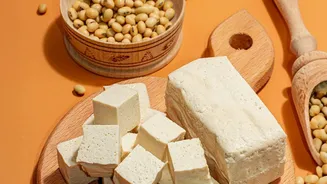
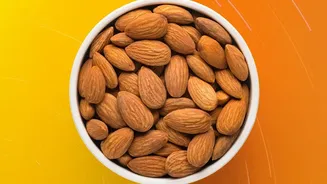
Increasing your protein intake doesn't have to mean drastic changes. The key is to distribute it throughout the day. Many people consume the bulk of their protein at dinner, but studies suggest that spreading it out, with a goal of 15-30 grams per meal, can be more beneficial for managing hunger and maintaining muscle. Start your day with a protein-rich breakfast, such as Greek yogurt with nuts, a two-egg omelet, or adding a scoop of protein powder to your oatmeal. For lunch and dinner, build your meals around a solid protein source like lean meat, fish, tofu, or lentils. Simple additions like adding chopped hard-boiled eggs to salads, mixing cottage cheese into pasta dishes, or snacking on a handful of almonds can significantly increase your daily total.
Choosing Your Protein Sources
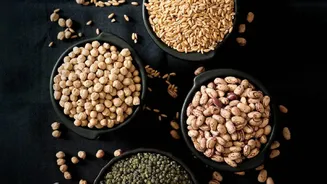
Protein comes from both animal and plant sources, and both can be part of a healthy diet. Animal proteins like meat, fish, eggs, and dairy are considered 'complete' proteins because they contain all nine essential amino acids our bodies can't produce on their own. They are also good sources of nutrients like vitamin B12 and iron. Plant-based proteins from foods like beans, lentils, nuts, seeds, and whole grains offer their own unique advantages, including higher fiber content. While many plant proteins are not 'complete' on their own, eating a variety of plant sources throughout the day ensures you get all the essential amino acids you need. Sources like soy and quinoa are notable exceptions, as they are complete plant proteins.