



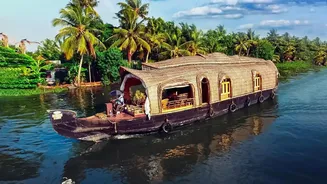


A Legacy Built on People and Planet
Long before 'sustainable travel' became a buzzword, Kerala was quietly building a different kind of tourism. The state's Responsible Tourism (RT) Mission, officially launched in 2017 after a decade of pilot projects, was founded on a simple but revolutionary
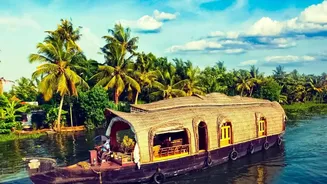
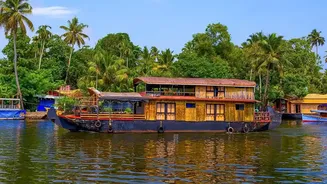
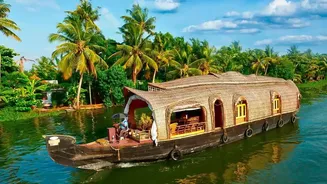
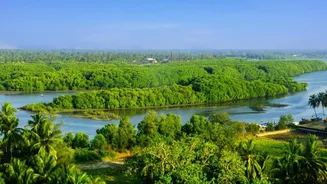
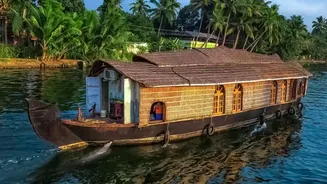
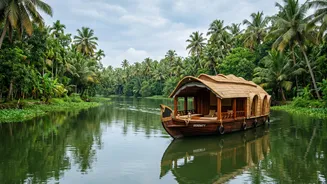
principle: making better places for people to live in, and better places for people to visit. Instead of focusing only on resorts and revenue, the model aimed to link the tourism industry directly with local communities. This meant empowering local artisans, farmers, and women's self-help groups to become key stakeholders. The goal was to ensure that the economic benefits of tourism stayed within the villages, strengthening local economies and preserving cultural heritage, from the backwaters of Kumarakom to the hills of Wayanad.
New Details: Green Marshals and Safer Spaces
One of the most significant new developments is the introduction of 'Green Marshals', set to be deployed from October 2026. This initiative creates a dedicated local workforce responsible for the daily upkeep of tourist destinations. Their role extends beyond simple maintenance; they will monitor cleanliness, manage waste, assist visitors, and provide an added layer of security. This move is particularly aimed at enhancing safety and comfort for the growing number of solo and female travellers, ensuring they feel secure while exploring the state. By creating a formal, trained presence at popular sites, Kerala is addressing practical concerns that are crucial for a positive visitor experience and reinforcing its commitment to a safe and welcoming environment for all.
Digging Deeper: Agri-Tourism and Thematic Streets
Kerala is also innovating by diversifying its offerings. The new Kerala Agri-Tourism Network connects travellers directly with farming communities for immersive experiences. Visitors can now participate in farm stays, tour spice plantations, and learn about organic farming practices firsthand, from the paddy fields of Kuttanad to the tea estates of Munnar. This not only creates a new revenue stream for farmers but also gives tourists a deeper appreciation for the region's agricultural roots. Complementing this is the STREET project (Sustainable, Tangible, Responsible, Experiential, Ethnic Tourism Hubs). This initiative develops destinations around specific themes—like a food street, a culture street, or an art street—to guide tourists beyond the main hotspots and spread the benefits of tourism more evenly throughout local communities.
Why It Still Matters in Today's World
In an era of overtourism and increasing demand for authentic experiences, Kerala's model is more relevant than ever. The global traveller of today is often seeking more than just a pretty picture; they want meaningful connections and the assurance that their visit has a positive impact. Kerala's continued focus on community-based enterprises, women's empowerment, and environmental stewardship directly meets this demand. While other destinations grapple with the negative consequences of mass tourism, Kerala is refining a system it has spent decades building. The new initiatives are not a radical departure but a thoughtful evolution, proving that a tourism model built on respect for people and place is not only sustainable but also incredibly resilient and adaptable.