




The Ironclad Promise of Paddy
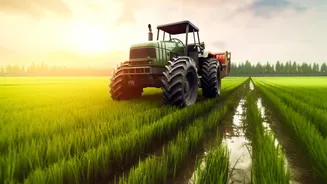
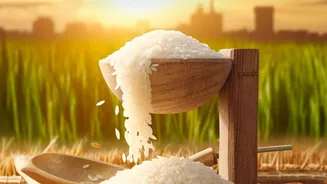
The primary reason behind paddy's dominance is the government's Minimum Support Price (MSP) regime. For farmers, MSP acts as a safety net, guaranteeing that their entire paddy harvest will be purchased by government agencies at a pre-announced price.
This system effectively eliminates market risk, providing a stable and predictable income that is crucial for financial planning. In an environment where market prices for other crops can fluctuate wildly, the assurance of a buyer and a fixed price makes paddy an overwhelmingly attractive and economically secure option for cultivators across the state.
Why Cotton is Losing its Sheen
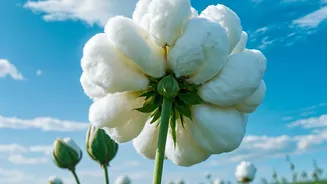
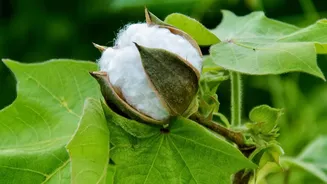
While paddy offers stability, cotton cultivation has become fraught with risk. In recent years, farmers have battled severe pest infestations, particularly from the pink bollworm, which can destroy entire crops and has developed resistance to some genetically modified Bt cotton varieties. This leads to higher costs for pesticides and significant potential for crop failure and financial loss. Unlike paddy, cotton prices are subject to the volatility of private markets, with no guaranteed government procurement. This combination of high input costs, production risks, and price uncertainty has made many farmers reluctant to continue cultivating the crop, leading to a historic decline in the area dedicated to cotton.
The Elephant in the Room: Water
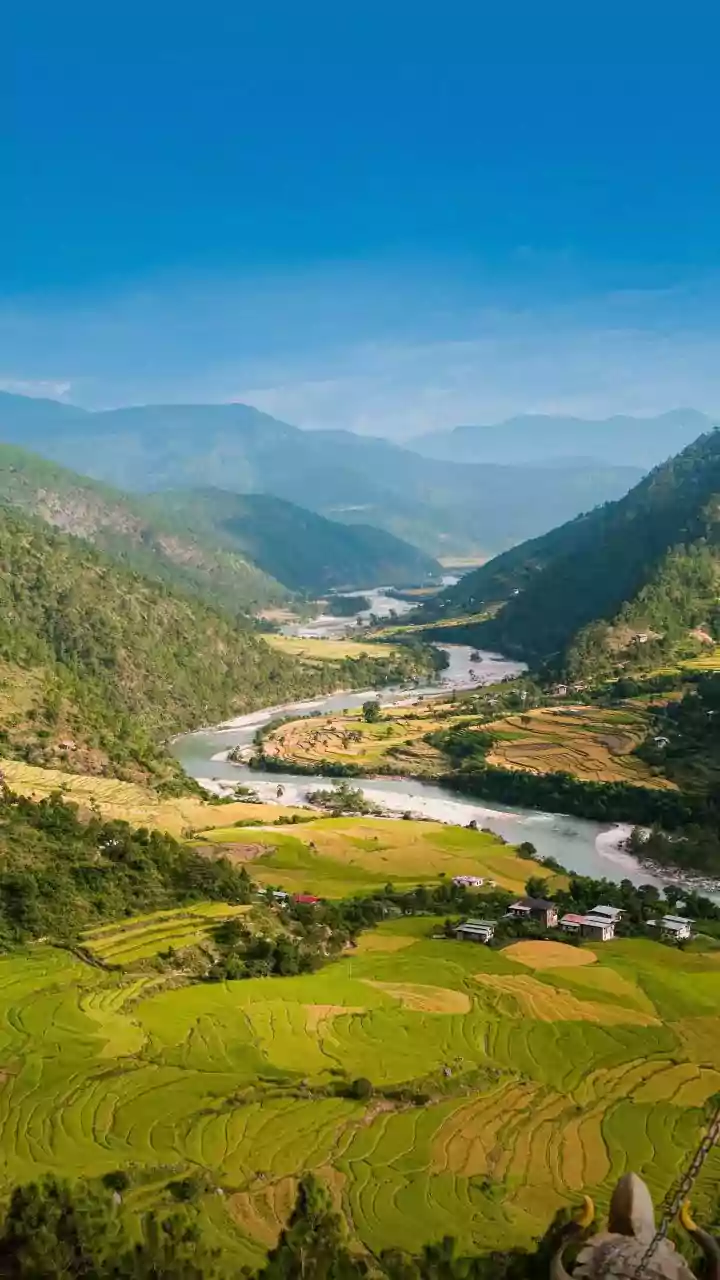
The shift towards paddy comes at a severe environmental cost. Paddy is an incredibly water-intensive crop, requiring up to 5,000 litres of water to produce a single kilogram of rice. This is a critical issue in Punjab, where decades of the paddy-wheat cycle have led to alarming rates of groundwater depletion. Studies show that the water table in many parts of the state is dropping by over a meter each year, with over 80% of its groundwater blocks now classified as over-exploited. The reliance on deep tube wells for irrigation, often powered by subsidized electricity, further accelerates this crisis, pushing the state towards a future of acute water scarcity.
The Struggle for Diversification
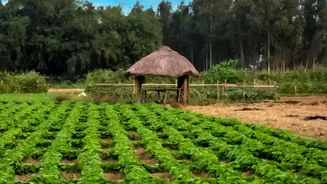
For years, experts and government bodies have advocated for crop diversification away from the water-guzzling paddy-wheat cycle. The goal is to encourage farmers to plant less water-intensive crops like maize, pulses, or even return to cotton. However, these efforts have largely failed to gain traction. The key challenge remains a lack of institutional support for alternative crops. Without an MSP and procurement system as robust as the one for paddy, farmers are unwilling to take on the financial risks associated with new crops, which often lack established markets, storage infrastructure, and price stability.