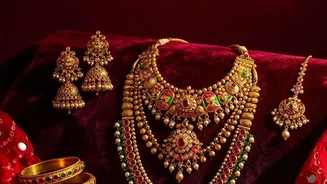





A Rollercoaster Ride for Prices
After hitting a record high of nearly ₹1.8 lakh per 10 grams in January 2026, gold prices have seen a significant correction, falling by over 20-25% since then. In early November alone, prices for 24-carat gold slid sharply in a single week. This downward
trend has been driven by several international and domestic factors, creating a period of high volatility. While the recent dip might seem like a golden opportunity, the unpredictability has left many buyers wondering whether to purchase now or wait for more stability. Analysts note that prices have been fluctuating within a range, with some suggesting the correction presents a chance for buyers, while others warn of further downside risks.
Global Factors at Play
Much of the current volatility is being dictated by international economic cues. A primary driver is the monetary policy of the US Federal Reserve. Expectations of further interest rate hikes to combat inflation make holding gold, which pays no interest, less attractive compared to bonds that offer higher yields. This has been compounded by a strong US dollar, which recently hit a 19-month high. Since gold is priced in dollars on the international market, a stronger dollar makes it more expensive for those holding other currencies, including the Indian rupee, putting downward pressure on global demand and, consequently, prices.
The Domestic Demand Picture
While global trends set the stage, local factors add another layer of complexity. The exchange rate between the rupee and the US dollar is crucial; a weaker rupee can offset falling international gold prices, meaning Indian consumers may not see the full benefit of a global dip. Additionally, demand during the recent festive season was mixed. While retailers reported higher footfall and an increase in the value of sales, the actual volume of gold sold was flat or slightly higher than last year. Many consumers are opting for lighter-weight jewellery or exchanging old gold, which now accounts for a significant portion of sales at many retailers. This indicates that while the cultural drive to buy gold remains, high prices are influencing purchasing behaviour.
The Wedding Season Effect
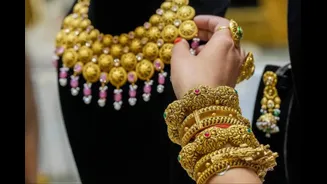
The period from November through the first quarter of the new year is peak wedding season in India, traditionally a time of soaring gold demand. This year, the price volatility coincides directly with this crucial buying period. According to the World Gold Council, the combination of lower prices and wedding demand is expected to support jewellery sales. However, they also caution that any sudden price increase could quickly dampen consumer enthusiasm. Jewellers often stock up 1 to 1.5 months ahead of the season, which can tighten supply and firm up prices just as families begin their shopping.
Strategies for Smart Buying
Given the uncertain outlook, experts advise against trying to 'time the market' perfectly. Instead, a more strategic approach is recommended for wedding shoppers. One popular strategy is to buy in instalments, or tranches. This allows buyers to average out their purchase cost over time, mitigating the risk of buying everything at a sudden price peak. Some experts suggest splitting the purchase, buying a portion now to lock in current rates and the rest closer to the wedding date. It is also wise to pay close attention to making charges, which can vary significantly between jewellers and can sometimes be negotiated. For those comfortable with financial instruments, investing in Gold Exchange Traded Funds (ETFs) or other forms of digital gold can be a way to accumulate gold without immediately dealing with physical storage and making charges.