


Why Your Windows Are a Compass for Plant Health
Falling in love with a plant at a shop is easy, but keeping it alive is another story. The most common reason houseplants fail is a mismatch between the plant's needs and its environment. The single most important factor? Light. The direction a window
faces—north, south, east, or west—determines the intensity and duration of sunlight it receives. This dictates which plants will flourish and which will struggle. Before you spend another rupee on a plant that’s destined to droop, take a moment to assess the light in your home. Think of your windows as different microclimates. One offers gentle morning rays, while another blasts intense afternoon heat. Knowing this is the first and most critical step in becoming a successful plant parent. By matching the plant to the light, you set it up for a long, healthy life from day one.
The North-Facing Window: For Low-Light Lovers
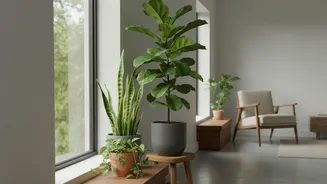
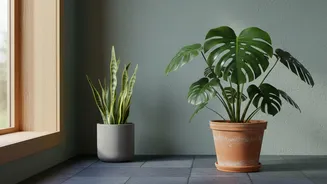
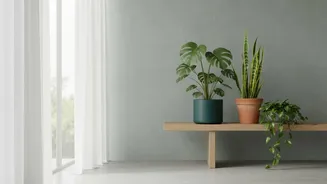
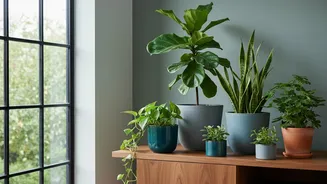
North-facing windows receive the least amount of direct sun, offering cool, indirect light throughout the day. This environment is often considered 'low light,' but it's perfect for plants that can't handle the sun's direct glare. Many popular and hardy houseplants are perfectly happy here. Think of plants that naturally grow on forest floors under the canopy of larger trees. These are your go-to choices. Don't make the mistake of putting a sun-loving plant in a northern window and hoping for the best; it will likely become weak and lose its vibrancy. Great plants for this spot include the nearly indestructible Snake Plant (Dracaena trifasciata) and the ZZ Plant (Zamioculcas zamiifolia), both famous for their tolerance of neglect and low light. The humble Money Plant (Epipremnum aureum), or Pothos, will also do well here, though its variegation might be less pronounced than in brighter light.
The South-Facing Window: A Paradise for Sun Worshippers
A south-facing window is the prime real estate for sun-loving plants, offering bright, direct light for a large portion of the day. In India, this exposure can be particularly intense, so it's reserved for plants that truly thrive in full sun. This is the spot for most succulents and cacti, which need plenty of light to maintain their shape and colour. Without enough sun, they can become stretched and weak. A variety of flowering plants that need high light to produce blooms will also feel right at home here. Consider placing plants like Aloe Vera, which loves the sun, and the popular Jade Plant (Crassula ovata) in this location. Cacti of all kinds will be thrilled. If you want something with a more tropical feel that can handle the light, a Bird of Paradise (Strelitzia) can also thrive with ample sun.
The East-Facing Window: The Gentle Morning Start
East-facing windows are often considered the sweet spot for a wide variety of houseplants. They receive several hours of gentle morning sun that isn't as scorching as the afternoon rays. This balanced light is ideal for many tropical plants that desire brightness without the risk of their leaves getting burnt. As the sun moves across the sky, the light becomes more indirect for the rest of the day, providing a perfect equilibrium. This makes the east-facing window one of the most versatile spots in your home for greenery. Plants that will be very happy here include many Ferns, which appreciate the bright but not intense light. Calatheas, or Prayer Plants, with their stunning foliage, do well in an eastern exposure that protects them from harsh sun. The ever-popular Peace Lily (Spathiphyllum) is another excellent choice for this location.
The West-Facing Window: Hot Afternoon Sun
West-facing windows get the full force of the hot afternoon sun, which can be intense and unforgiving, especially during Indian summers. The light here is strong and comes with a lot of heat. While this can be too much for delicate plants, it's perfect for those that are tough and heat-tolerant. You can use sheer curtains to diffuse the light if needed, which expands your options. However, several plants are well-suited to handle the direct afternoon glare without any filter. Just be mindful that plants in this spot will dry out faster and may require more frequent watering. Hardy plants like the Snake Plant and ZZ plant can tolerate this exposure, though they are primarily known as low-light plants. A better fit might be a colourful Croton, which often needs bright light to show off its vibrant hues. Many succulents like the Jade Plant can also adapt well to a west-facing spot.