




A New Window on the Universe
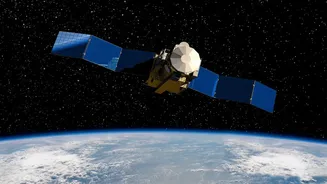
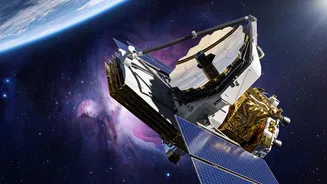
The Probe far-Infrared Mission for Astrophysics, or PRIMA, is designed to give humanity a new window into the cosmos. While telescopes like Hubble and the James Webb Space Telescope (JWST) have revolutionized astronomy, PRIMA will survey the universe
in far-infrared light, a set of wavelengths they cannot see. This will allow scientists to investigate some of the most fundamental questions about our universe, from how galaxies and their supermassive black holes grow to the origins of planets and the water that makes life possible. PRIMA will fill a critical observational gap, bridging the data from observatories like JWST and ground-based radio telescopes. It is the first mission in a new class of spacecraft called Probe Explorers, intended to be more powerful than smaller efforts but less costly than flagship missions like the ten-billion-dollar JWST.
Decoding NASA's Alphabet Soup
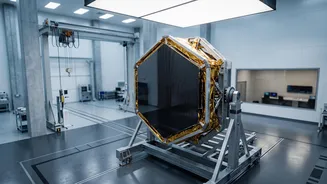
The announcement that PRIMA is entering Phase B is significant, but it helps to understand what that means in NASA's methodical, step-by-step process. The life of a NASA mission is broken into phases, from Pre-Phase A (initial concept studies) all the way to Phase F (closeout). Phase A is where concepts and technology are developed. Moving to Phase B, as PRIMA just has, means NASA has given the green light for preliminary design and technology completion. Over the next couple of years, the team at NASA's Jet Propulsion Laboratory and partner institutions will finalize engineering designs and mature key technologies, like the advanced cryogenic coolers needed to keep the telescope exceptionally cold. It is a period of intense planning to prove the mission is technically sound and can be built on schedule and within its budget.
The Great Gate: A Confirmation Review
While moving to Phase B is a success, it leads directly to the mission's next great hurdle: the confirmation review. This is one of several Key Decision Points (KDPs) in a mission’s lifecycle where NASA management determines if a project is ready to proceed. The confirmation review, which happens before a mission can enter Phase C (final design and fabrication), is a comprehensive assessment of the telescope's technical readiness, cost projections, and schedule. Passing this review is the formal approval for the project to begin building flight hardware. Failing it can mean significant delays or even cancellation. Every statement from NASA about PRIMA's advancement has been carefully couched with the caveat that it is all subject to this upcoming review.
The Politics of a Promise
This is where the "careful wording" comes in. Announcing a mission's progress is a delicate balancing act. NASA must generate excitement and maintain momentum within the scientific community and with its international partners. However, the agency must also manage expectations with the public and, most importantly, with Congress, which ultimately controls its budget. Overstating a mission's certainty before it has been formally confirmed and fully funded can lead to major problems down the road. The project's cost is capped at approximately $1.2 billion, not including the launch. This is a substantial investment that will require consistent backing for nearly a decade until its planned 2033 launch. By clearly stating that PRIMA has advanced but still faces a critical review, NASA signals confidence in the project while acknowledging the rigorous process that still lies ahead, ensuring all stakeholders understand that the mission's future is promising but not yet guaranteed.