





The Unlikely Dessert Hero
When you think of potatoes, your mind probably goes to savoury dishes—a comforting curry, crisp fries, or a simple jeera aloo. The idea of turning this versatile tuber into a rich, decadent dessert might seem unusual, but aloo ka halwa is a beloved classic
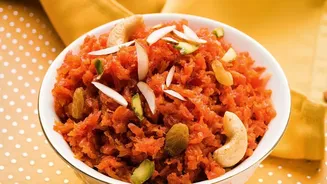
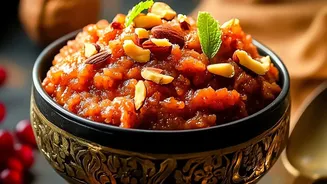
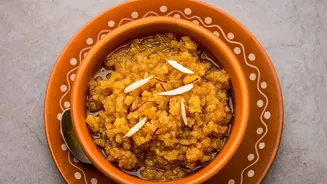
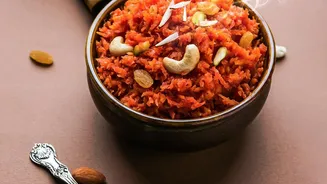
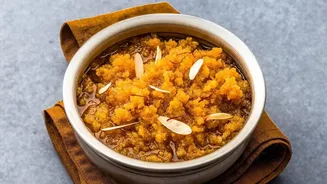
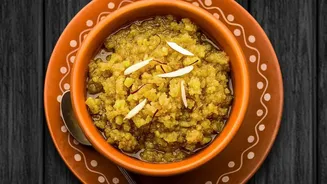
in many Indian households, especially during fasting periods. This sweet dish transforms boiled potatoes into a soft, melt-in-your-mouth delicacy. Cooked slowly with ghee, sugar, and milk, and often flavoured with cardamom and saffron, it has a uniquely smooth and fudgy texture that is both comforting and deeply satisfying. Unlike grain-based halwas, it has a lighter, almost pudding-like consistency that makes it a standout on any festive menu.
Perfectly Suited for Sawan Vrat
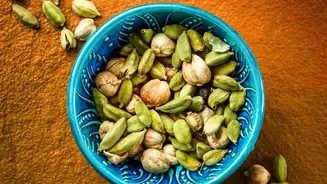
The rules of Sawan fasting call for a sattvik diet, which means avoiding regular grains, lentils, onions, garlic, and common table salt. This is where the potato truly shines. As a root vegetable, it is widely permitted during religious fasts across India. Aloo ka halwa is made entirely with vrat-friendly ingredients. Potatoes provide the base, while pure ghee, milk, and sugar (or jaggery) are also staples in a fasting pantry. Spices like green cardamom and saffron are allowed, adding aroma and richness without breaking the dietary guidelines. The dish provides a good source of carbohydrates, which is essential for maintaining energy levels during a fast, making it not just a permissible treat but a practical one too.
A Welcome Break from the Usual
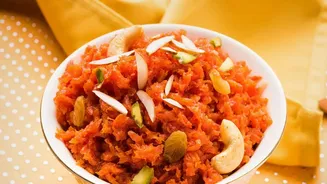
While observing Sawan Somvar vrat, the sweet platter often features a familiar rotation of makhana kheer, sabudana kheer, lauki halwa, or sweets made from singhara (water chestnut) flour. These are all delicious in their own right, but variety can make the fasting experience more enjoyable. Aloo ka halwa offers a completely different taste and texture profile. It is richer and denser than kheer but smoother and less grainy than flour-based halwas. Its earthy sweetness, derived from the caramelised potatoes and sugar, is distinct from the nutty flavour of makhana or the subtle taste of bottle gourd. Introducing it to your Sawan menu can break the monotony and give you something new and exciting to look forward to after a day of devotion.
The Art of a Perfect Potato Halwa
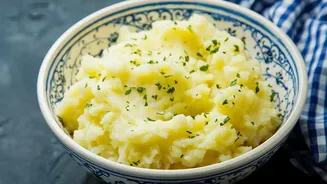
Making aloo ka halwa is a simple process, but the magic lies in the technique. It begins with perfectly boiled potatoes, which are peeled and then mashed or grated. Grating is often preferred as it ensures a lump-free, silky-smooth final product. The grated potato is then roasted patiently in a generous amount of ghee over medium heat. This step is crucial; it removes the raw taste of the potato and infuses it with a rich, nutty aroma. As you roast it, the potato mixture will slowly turn a pale golden brown. Next, sugar is added, which melts and loosens the mixture before it starts to thicken again. Finally, warm milk, often infused with saffron, is poured in. Continuous stirring is key as the halwa cooks until it leaves the sides of the pan, transforming into a glossy, fragrant mass. The dish is finished with a sprinkle of cardamom powder and a garnish of chopped nuts like almonds and pistachios for a delightful crunch.
Tips for Flavour and Texture
To elevate your aloo ka halwa, a few small details can make a big difference. Always use good quality ghee, as its flavour is central to the dish. Don't rush the roasting process; slow and steady cooking develops the deepest flavour. For a richer taste, you can use full-fat milk or even add a tablespoon of milk powder or khoya towards the end. While sugar is traditional, you can also use grated jaggery for a more rustic and mineral-rich sweetness. Remember to add the jaggery only after the potatoes are well-cooked, as it can sometimes curdle the milk if added too early. Finally, serve it warm. While it can be eaten at room temperature, the textures and aromas of aloo ka halwa are at their absolute best when it is served fresh and hot from the pan.