





In one of the most dramatic corporate turnarounds in recent memory, Nvidia has reinstated co-founder Jensen Huang as its Chief Executive Officer. The move on November 23 concludes a turbulent chapter that gripped the technology and financial worlds.
The Shock Reversal
Less
than two weeks after his sudden resignation on November 12, Jensen Huang is back at the helm of Nvidia. The company's board of directors announced the unanimous decision to reinstate him as President, CEO, and a board member, effective immediately. This stunning reversal followed an 11-day period of intense speculation and market volatility, during which Nvidia's market value plunged by over $1 trillion before spectacularly rebounding on the news of his return. In a statement, Nvidia's newly appointed board chair, Harvey C. Jones, said the board believes Huang is the right person to lead the company and that his reinstatement is in the best interests of all stakeholders.
A Tumultuous Fortnight
Huang's initial resignation came amid a personal scandal, with reports alleging extramarital affairs, including one with an individual suspected of being a foreign agent. The news sent shockwaves through the industry, with CFO Colette Kress appointed as interim CEO. The board initially seemed resolute, stating on a November 17 earnings call that it did not intend to reinstate Huang and was beginning a search for a permanent successor. However, the immense pressure from investors, employees, and even political figures created a powerful counter-narrative. The market's reaction was severe, with the stock sell-off seen as a financial referendum on the importance of Huang's leadership to the AI industry.
The 'Founder Premium'
The episode highlights the immense value placed on visionary founders in the tech world. Huang, who co-founded Nvidia in 1993, is seen as inextricably linked to the company's identity and its pioneering role in AI and accelerated computing. His departure raised fears of a leadership vacuum that could derail the entire AI ecosystem, which relies heavily on Nvidia's chips and software. Prominent figures in the tech industry, including Shopify CEO Tobi Lütke and Elon Musk, voiced their support for Huang's return, arguing that his role as a founder made him uniquely qualified to lead. The market agreed emphatically, with Nvidia's stock surging over 30% upon his reinstatement, the largest single-day capitalization gain in history.
Government Involvement and Lingering Questions
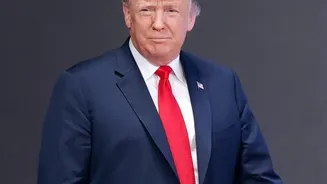
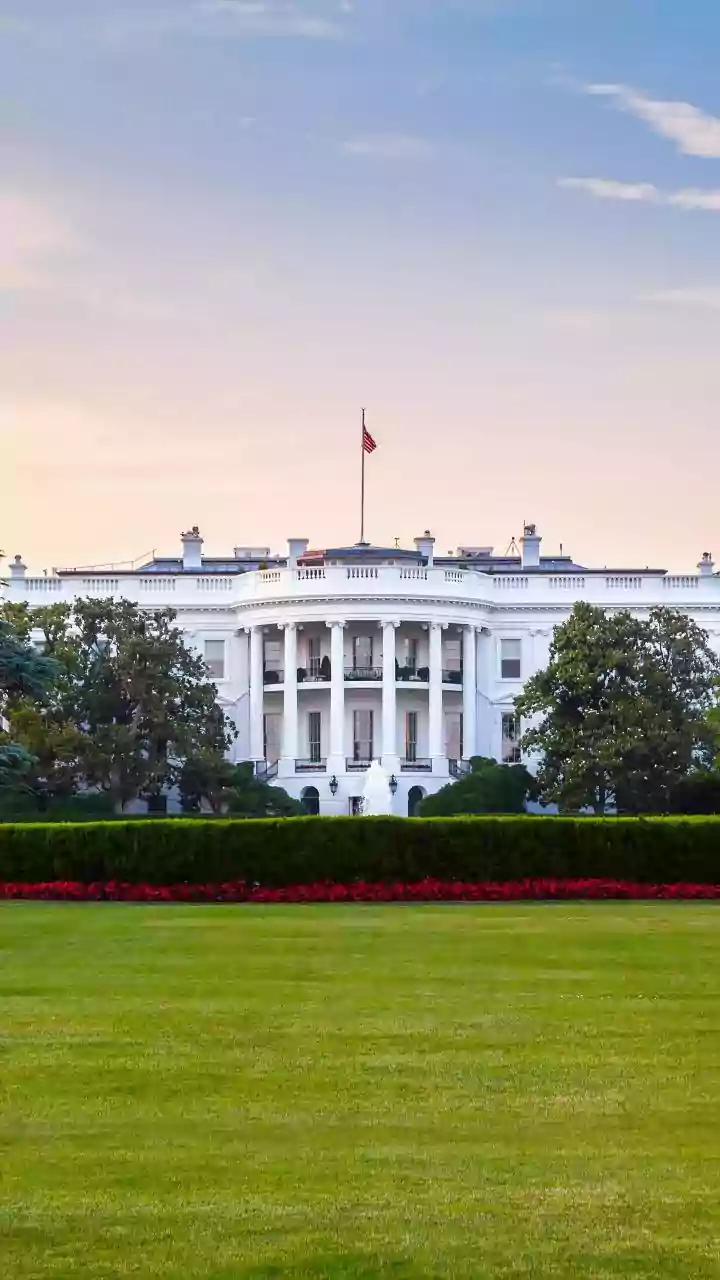
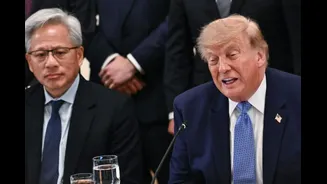
A notable element in this saga was the involvement of the U.S. government. Nvidia's statement on the reinstatement mentioned that the board had received 'input from senior levels of the United States government' and was 'confident that Mr. Huang's reinstatement poses no national security risk'. President Donald Trump publicly stated that he had intervened and advocated for Huang's return, telling CNBC he 'convinced' the board. Despite the reinstatement, scrutiny remains. An independent investigation into the national security allegations will continue, and a new board committee has been formed to oversee export controls. Some politicians have called the board's decision 'reckless', insisting that Huang still owes Congress answers regarding the company's compliance with trade restrictions.
What Happens Next?
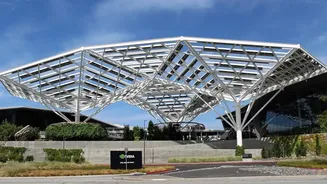
With Huang back in charge, the immediate crisis appears to have passed, and a degree of stability has returned to the market. In a statement, Huang said he was 'honored to return' and takes the responsibility with 'renewed commitment'. Videos showed employees cheering his return to Nvidia's headquarters. However, the company and its board now face the challenge of rebuilding trust and navigating continued political and regulatory oversight. The episode serves as a powerful case study in corporate governance, the outsized influence of founder-CEOs, and the intersection of technology, finance, and geopolitics. For now, the leader who built the engine of the AI revolution is back in the driver's seat, but the road ahead remains complex.