







The Rise of the ‘Whycation’
The idea of a 'fly and flop' holiday isn't new, but its motivation is changing. Hilton's recent trends reports signal a major shift in traveller mindset. Instead of asking “Where are we going?” people are now starting with “Why are we going?”. This has
given rise to the 'Whycation,' a trip where the emotional driver—be it to rest, reconnect, or find meaning—is more important than the destination itself. According to one report, this search for calm and connection is a top travel priority, showing that the feeling behind the trip is guiding the entire journey. This is backed by wider industry research, with one G Adventures survey finding 61% of travellers now prioritise experiences and how a trip makes them feel over the destination itself.
From Burnout to Bliss
So, what’s driving this collective desire to slow down? In a word: burnout. The pressures of modern life, digital overload, and post-pandemic fatigue have left many people feeling drained. As a result, vacations are becoming less about collecting experiences for social media and more about genuine recovery. A recent report from travel tech company Amadeus highlighted that travellers are increasingly using trips as a “mental health reset.” The survey found that 41% of people are actively seeking to return from a trip with a calmer nervous system, while a third hope their vacation inspires a digital detox. This desire for 'Hushpitality,' a term coined in a Hilton report for seeking sweet silence, is reshaping how people relax.
The ‘Nothing-cation’ in Practice
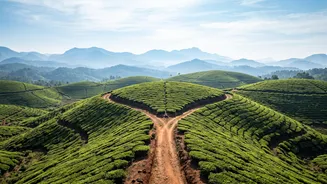
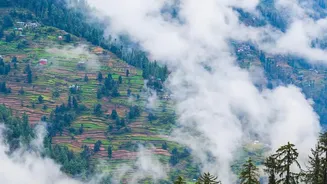
This trend has popularised the concept of the 'nothing-cation' or 'slow travel', where the goal is immersion and relaxation, not a race against time. Instead of multi-city sprints, travellers are opting for longer stays in a single location, allowing them to connect with the local culture and truly unwind. In India, this has led to a surge in interest for destinations known for their tranquil atmosphere. According to a 2026 travel report from Agoda, relaxation is the main travel driver for 67% of Indian travellers, with places like Dharamshala, Rishikesh, Coorg, and the backwaters of Kerala emerging as popular choices for those looking to de-stress. The focus is on depth over distance and locals over landmarks.
How to Plan a Truly Restful Trip
Embracing this new travel philosophy doesn't mean you have to sit still, but it does require a shift in mindset. First, resist the urge to overschedule. Choose a single base and explore from there, rather than spending precious time in transit. Prioritise hotels or homestays that focus on wellness, whether through a great spa, quiet natural surroundings, or simply comfortable beds. Most importantly, give yourself permission to do nothing. Taking time off is scientifically linked to lower stress, improved mood, and better sleep. Studies have shown that these benefits can last for weeks after you return, proving that a restful vacation is an investment in your long-term well-being.